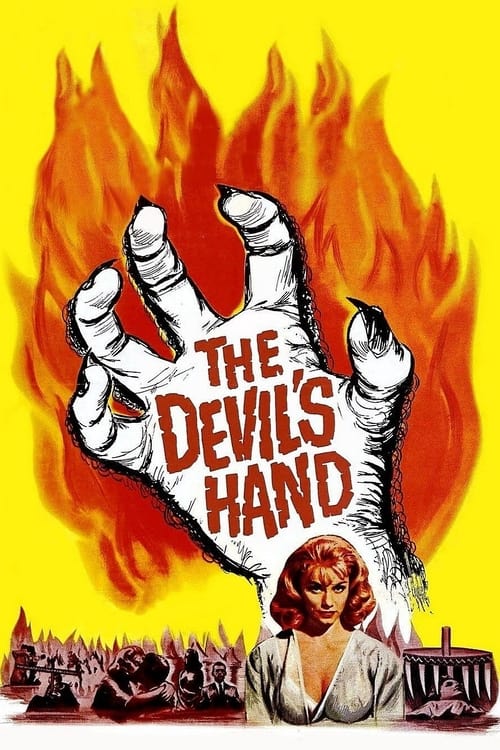
The Devil's Hand
1961
No user ratings available yet
Representation score: 0.5 out of 10
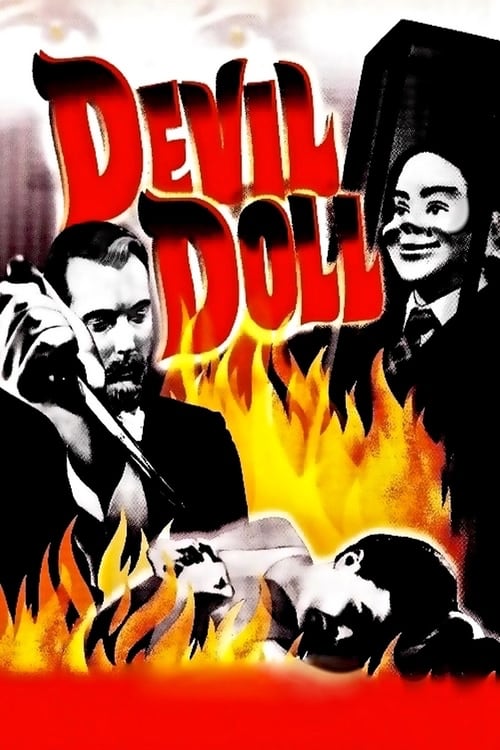
Representation Score
Limited
1964
Director
Lindsay Shonteff
Runtime
81 minutes
Average Rating
No ratings yetNew Showbiz Analysis
Devil Doll is a classic mid-century suspense thriller that emphasizes psychological horror over social or demographic representation. The narrative centers on the individual madness of a male protagonist, providing little space for diverse perspectives or overlapping identities. The film strictly adheres to the conventions of its time, using traditional gender roles and a homogeneous cast. It serves as a standard genre piece, focusing on a cautionary tale of obsession without challenging cultural or systemic hierarchies. Overall, the film lacks the intentionality needed to disrupt established social norms, staying firmly within the Eurocentric and straight-centered structures of 1960s British exploitation cinema.
Category Breakdown
The film does not include any representation of non-binary or transgender identities. The story revolves around a male character's obsession, with no queer undertones or characters.
Female characters are mainly portrayed as objects of desire or targets for the male protagonist. The story adheres to traditional gender roles from the mid-20th century without challenging these norms.
The cast appears predominantly white, reflecting the typical urban setting of 1960s British cinema. There is no significant racial or ethnic diversity.
The plot focuses on individual madness and greed, avoiding any cultural critique. It follows a conventional moral framework without questioning societal norms.
Mental instability is used as a device for creating suspense and horror. The protagonist's psychological state is portrayed through villainous clichés, lacking nuanced or empathetic representation.
Present on Screen
Limited or Absent
Official Synopsis
An evil hyponotist/ventriloquist plots to gain an heiress' millions.
1961
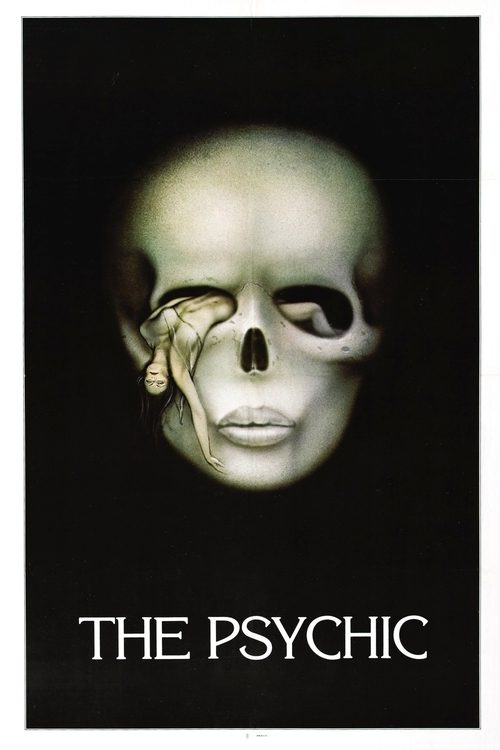
1977
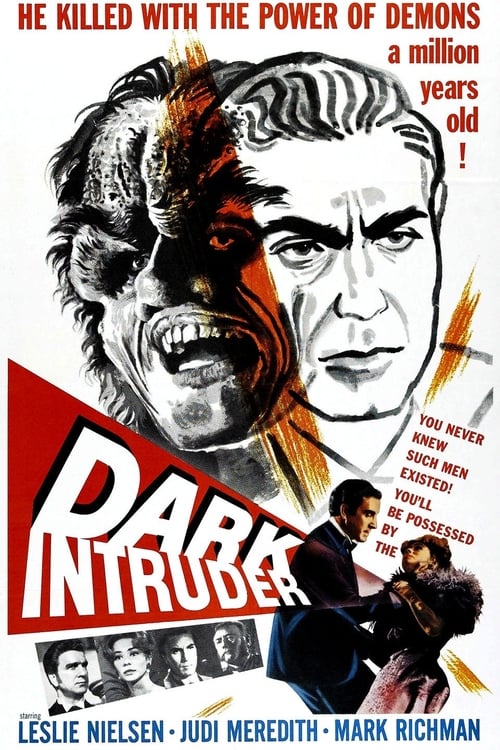
1965
1943
1947

1966
1968

1961
No reviews yet. Be the first to share your thoughts on this movie!
Use the rating form above to leave a star rating and optional review.