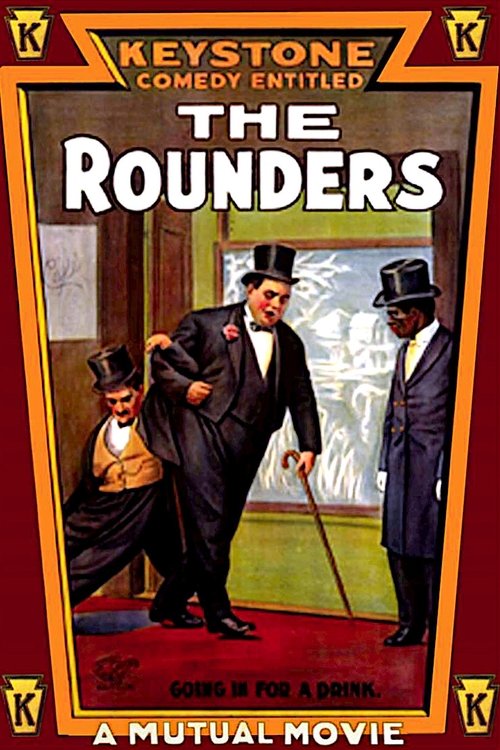
The Rounders
1914
No user ratings available yet
Representation score: 0.4 out of 10
Representation Score
Minimal
1914
NRDirector
Mack Sennett
Runtime
15 minutes
Average Rating
No ratings yetNew Showbiz Analysis
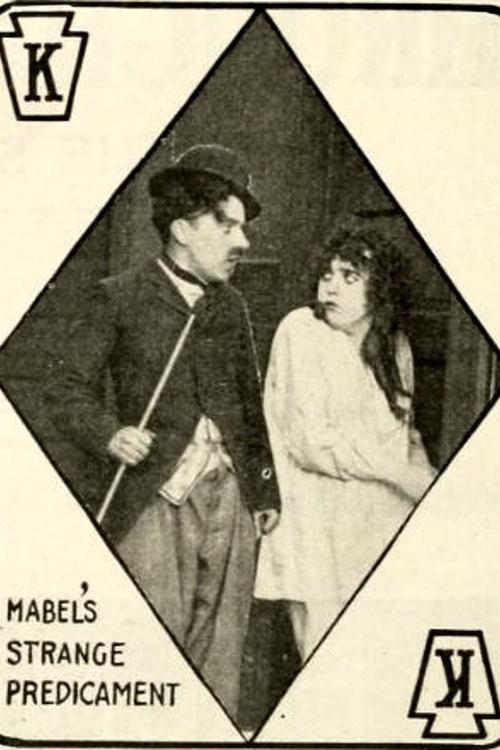
Mabel's Married Life is a product of its time, using standard comedic techniques and domestic archetypes. The film focuses on traditional social structures, particularly highlighting domestic dysfunction and male incompetence. While the husband's behavior provides a humorous critique of masculinity, it remains grounded in the social norms of the early 1910s. The film lacks the complexity needed to represent diverse identities or challenge the status quo of the era.
Category Breakdown
The film adheres to the social norms of the early 20th century and does not include any characters with non-traditional gender identities or relationships that question the assumption that everyone is straight.
The story emphasizes traditional gender roles through conflicts in the home. Mabel's humiliation and her husband's subsequent drunken behavior are used as humorous clichés rather than challenging traditional gender roles.
The film follows the casting practices typical of the early 1910s, with no significant representation of non-white actors or attempts to cast actors from diverse backgrounds.
The narrative focuses on personal moral failures and family drama. It does not explore complex critiques of institutions or capitalism, staying within the traditional storytelling structures of the time.
There is no information about the inclusion of characters with physical or neurological differences.
Present on Screen
Limited or Absent
Official Synopsis
Mabel goes home after being humiliated by a masher whom her husband won't fight. The husband goes off to a bar and gets drunk.
1914
1914
1913
1914
1914
1914

1915

1912
No reviews yet. Be the first to share your thoughts on this movie!
Use the rating form above to leave a star rating and optional review.