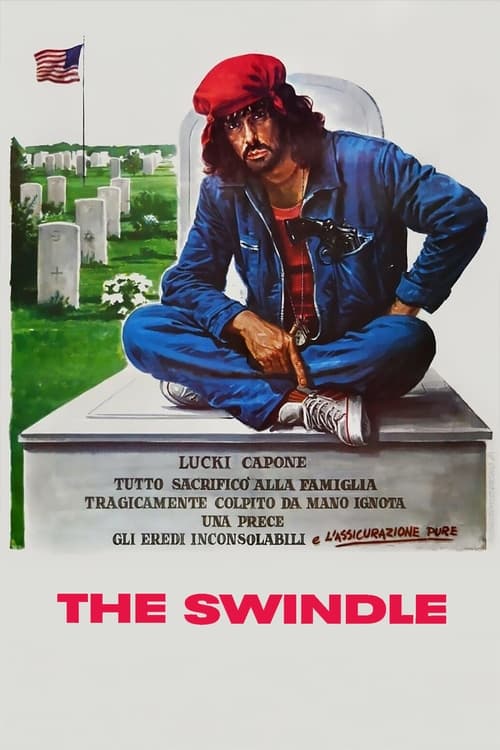
The Swindle
1977
No user ratings available yet
Representation score: 1.2 out of 10
Representation Score
Fair
1971
Director
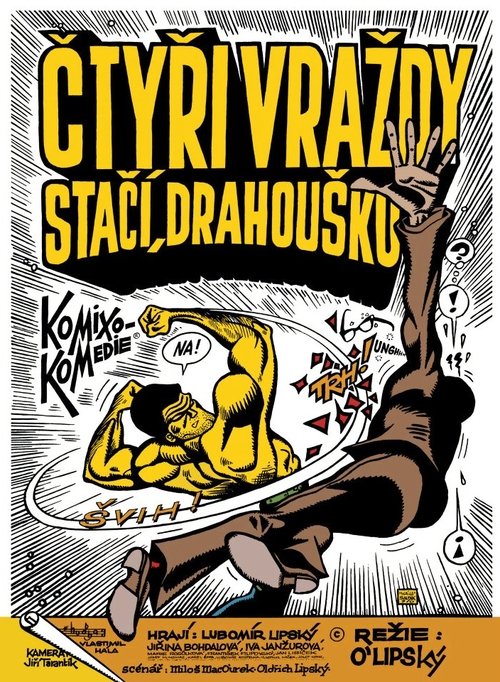
Oldřich Lipský
Runtime
103 minutes
Average Rating
No ratings yetNew Showbiz Analysis
Oldřich Lipský’s comedy relies on the subversion of social structures through farce rather than demographic breadth. The film operates within the specific historical and cinematic constraints of 1970s Czechoslovakia. While it avoids actively promoting harmful stereotypes, its narrative structure is built on traditional comedic forms and period-appropriate hierarchies. It replaces traditional heroic competence with accidental notoriety. Ultimately, the work's value lies in its lighthearted deconstruction of authority and the 'heroic' archetype, despite remaining demographically narrow and conventional in its romantic and social depictions.
Category Breakdown
The film follows a traditional romantic pursuit between George Camel and Sabrina, adhering to the straight-centered clichés common in 1970s Czech comedy. There are no queer narratives present.
Sabrina has professional ability to act as a journalist, providing her with social mobility. However, the narrative centers around the male protagonist's journey to win her affection.
Set in a stylized 19th-century European context, the film reflects the demographic homogeneity of its time. The cast mirrors the local ethnic reality without significant diversity.
The story subverts the 'respectable citizen' cliché by granting the protagonist status through accidental notoriety. It offers a cynical, slapstick view of systemic order and authority.
Physical mishaps occur as comedic punctuation within the slapstick genre. There is no meaningful exploration of neurodivergence or physical impairment through characters with ability to act.
Present on Screen
Limited or Absent
Official Synopsis
Two criminal gangs are ruthlessly fighting for a 1-million dollar check that, purely by chance, got into the flat of shy high school teacher George Camel. As the number of victims sharply increases, Camel is mistakenly regarded as a mass murderer and cunningly uses his horrifying reputation to get the respect and heart of his beloved Sabrina, a journalist from a local newspaper. But this game turns out to be risky and in the end, both gangs don't hesitate to seize the check at all costs, including an improvised operation
1977
1981

1958
1972
1966
1980
1958
1955
No reviews yet. Be the first to share your thoughts on this movie!
Use the rating form above to leave a star rating and optional review.