
Vinci
2004
No user ratings available yet
Diversity score: 4.5 out of 10
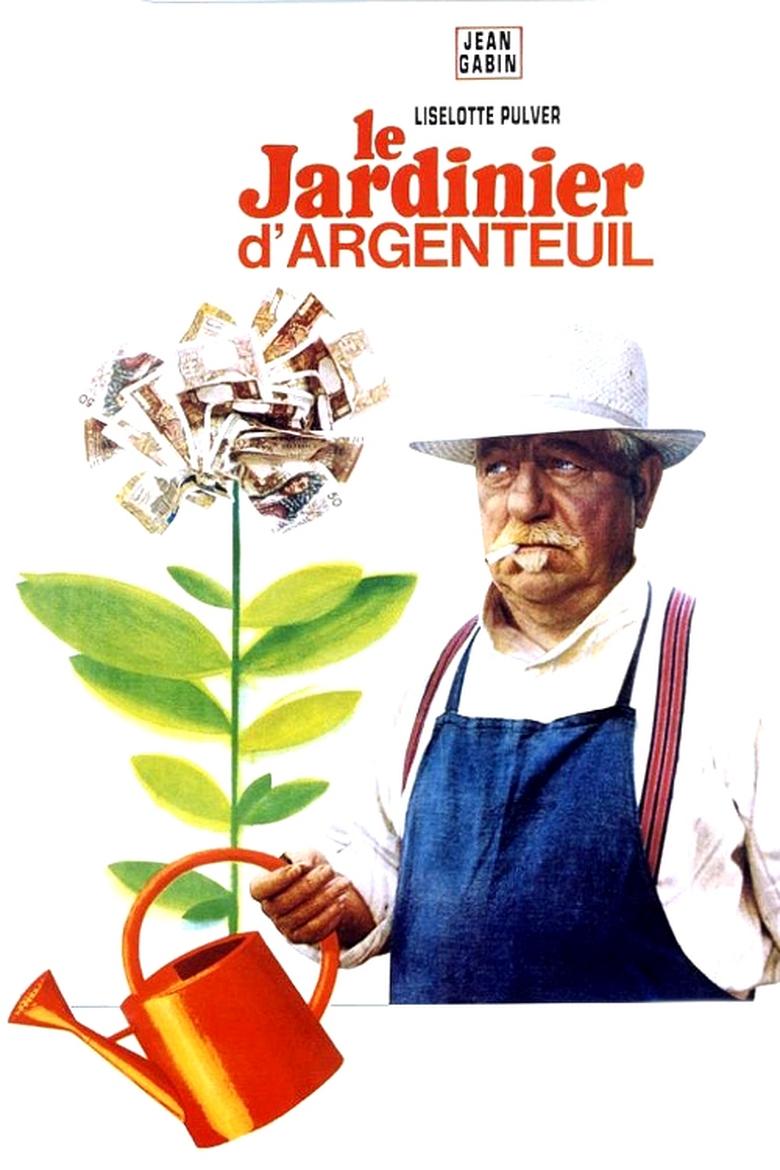
1966
Director
Jean-Paul Le Chanois
Runtime
86 minutes
Average Rating
No ratings yetSynopsis
Tulipe, is an old man who lives alone in an old railway carriage in the Argentueil region of Paris. His main passions are gardening and oil painting, but he also has a secret source of income. His godson discovers that Tulipe is actually a master forger, producing perfect copies of 10 franc notes. His godson’s girlfriend sees this as an opportunity to get very rich – but she must persuade Tulipe to forge 500 franc notes. Assuming Tulipe’s agreement, his godson and his girlfriend buy an expensive new car and luxury villa in provincial France – but there is a cruel turn of fate in store for them when Tulipe strikes up a friendship with a millionaire playboy.
Overall Score
Fair
Category Breakdown
LGBTQ+ Representation
The film lacks LGBTQ+ characters or narratives that challenge heteronormativity. Relationships focus on traditional kinship and romantic pairings between the godson and his girlfriend.
Gender Representation
A female character drives the plot by pushing for higher-stakes forgery. However, her agency is tied to material greed, a common trope regarding feminine status-seeking.
Racial & Ethnic Diversity
The setting reflects the demographic homogeneity of 1960s regional France. There is no evidence of diverse casting or non-majority ethnic representation.
Religious & Cultural Diversity
The story offers a critique of capitalism and materialist values. It frames the pursuit of luxury as a catalyst for a moral descent or a cruel fate.
Disability Representation
The narrative contains no mention of characters with visible or invisible disabilities.
Strengths
Areas for Improvement
AI Analysis
The film operates as a traditional crime comedy centered on class mobility and greed. It lacks intersectional depth, offering little in the way of diverse identities or social subversion. While it fails to provide meaningful representation for race, gender, or sexuality, it finds its strength in a skeptical view of consumerism. The plot uses forgery to critique the pursuit of capitalist symbols. Ultimately, the work is a product of its era, adhering to mid-century social norms while providing a moralistic lens on wealth and status.
2004
1977
1971

1987
1961
1966
1976
1992

1965

1966
1969
1977
No reviews yet. Be the first to share your thoughts on this movie!
Use the rating form above to leave a star rating and optional review.