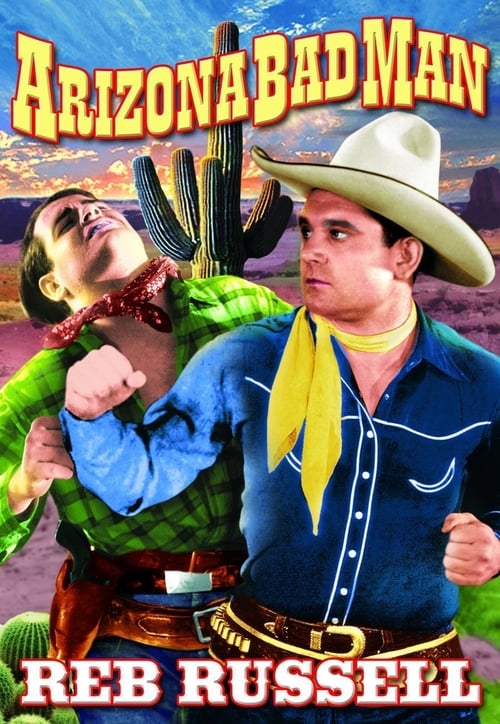
Arizona Bad Man
1935
No user ratings available yet
Diversity score: 2.7 out of 10
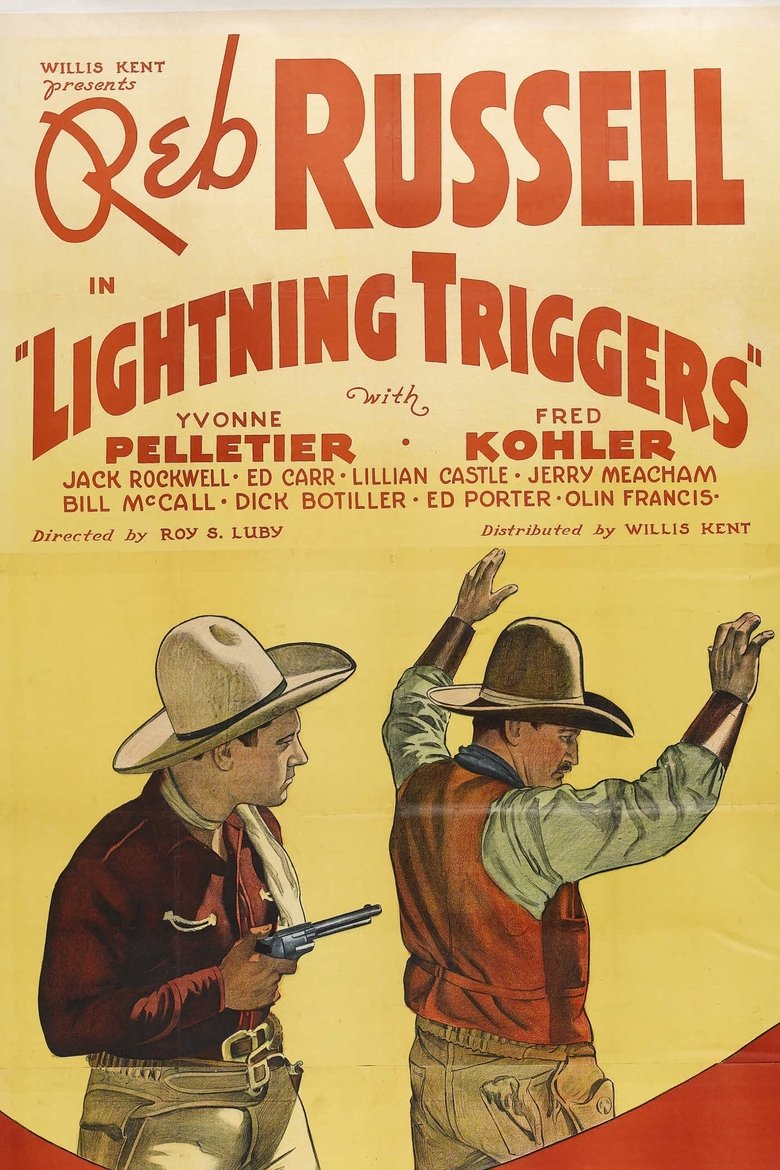
1935
ApprovedDirector
S. Roy Luby
Runtime
58 minutes
Average Rating
No ratings yetSynopsis
Reb Russell (Reb Russell), undercover agent for the Cattleman's Protective Association, goes into the stronghold hideout of rustler chief Bull Thompson (Fred Kohler) posing as an outlaw. He falls in love with Marion, Bull's step-daughter. Juan (Dick Botiller), a gang member once jailed by Reb, reveals Reb's true identity, but he will be given his and Marion's freedom to leavy the valley if he can beat Thompson in a fight. He does, but Butch Greer (Jack Rockwell), a gang member trying to take over from Thompson leads the gang after the pair, after first revealing to Thompson that Reb is Thompson's own son, whom he last saw as a baby when Thompson, then known as Big Bill Russell,was forced to flee the law. Thompson and loyal gang member Blackie (Edmund Cobb), who was once helped by Reb, go after the gang in an effort to help Reb and Marion escape.
Overall Score
Minimal
Category Breakdown
LGBTQ+ Representation
The film follows a conventional heteronormative structure. The plot centers on the romantic pursuit between Reb Russell and Marion, with no depictions of same-sex intimacy.
Gender Representation
Marion serves primarily as a romantic interest and a figure requiring rescue. Narrative power remains concentrated in male characters like Reb, Bull, and Butch.
Racial & Ethnic Diversity
The story relies on established ethnic archetypes, such as the character Juan. The conflict remains largely Anglo-centric, focusing on cattle associations and rustlers.
Religious & Cultural Diversity
The narrative reinforces traditional Western morality and law enforcement. It prioritizes individualist combat and the restoration of order rather than systemic social critique.
Disability Representation
There are no depictions of visible or invisible disabilities. The narrative does not address neurodivergent characters or sensory disabilities.
Strengths
Areas for Improvement
AI Analysis
Lightning Triggers is a quintessential 1930s B-Western that prioritizes genre conventions over social complexity. The story relies on clear moral binaries and traditional masculine agency to drive the plot forward. The film reinforces existing social hierarchies rather than challenging them. Gender roles are strictly defined, with women serving as emotional catalysts for male protagonists, and ethnic characters appear to fit standard period archetypes. Ultimately, the film functions as a traditionalist piece. It upholds the institutions of the era, such as the Cattleman's Protective Association, through a lens of frontier justice and individualist combat.
1935
1937
1933
1948
1948
1946
1930
1946
1931
1934
1930
1944
No reviews yet. Be the first to share your thoughts on this movie!
Use the rating form above to leave a star rating and optional review.