Pals of the Prairie
1934
No user ratings available yet
Representation score: 0.5 out of 10
Representation Score
Minimal
1934
ApprovedDirector
Robert Emmett Tansey
Runtime
20 minutes
Average Rating
No ratings yetNew Showbiz Analysis
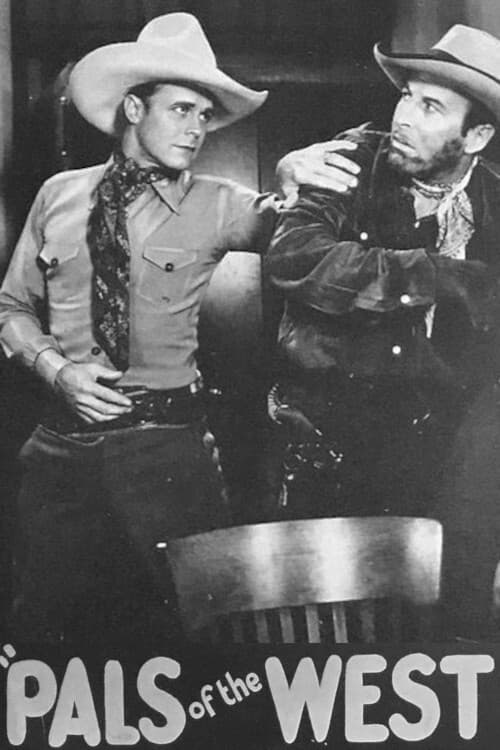
Pals of the West is a quintessential B-Western that prioritizes genre clichés over social complexity. The plot relies on established hierarchies of law and order, centering the action on male protagonists tasked with restoring stability. Representation is limited by the era's conventions. Female characters function primarily as plot devices, and the racial landscape appears homogeneous, reflecting the standard Anglo-centric focus of 1930s Westerns. Ultimately, the film serves as a period-typical genre piece. It reinforces traditional social structures rather than offering multi-layered representation or challenging the status quo.
Category Breakdown
The film does not include any LGBTQ+ characters or narratives that challenge the assumption that everyone is straight or cisgender. It follows the conventional social structures typical of 1930s Western cinema.
The plot is driven by male characters such as the Sheriff and Texas Rangers. While Ann is a central figure, she remains a passive prisoner used as a catalyst for male heroism.
The narrative focuses on a standard conflict between lawmen and outlaws. It follows the homogeneous casting patterns common to the 1930s frontier genre, with no visible racial or ethnic diversity among the characters.
The story emphasizes traditional Western values like law, order, and institutional stability. It centers on the protection of family and legal authority.
There is no mention of characters with visible or invisible disabilities in the narrative.
Present on Screen
Limited or Absent
Official Synopsis
Sheriff Ed Dawson (Franklyn Farnum)asks Texas Rangers Wally Wallace (Hal Taliaferro) and Bill (Al Hoxie), to go into an outlaw stronghold, where his daughter Ann (Dorothy Crittin)is being held prisoner, and capture the gang led by Larkin (Yakima Canutt). But Wally's identity is revealed and they are taken prisoner.
1934

1957
1934
1928
1934
1943
1948
1934
No reviews yet. Be the first to share your thoughts on this movie!
Use the rating form above to leave a star rating and optional review.