
Montana Belle
1952
No user ratings available yet
Representation score: 1.7 out of 10
Representation Score
Minimal
1954
NRDirector
Don 'Red' Barry
Runtime
83 minutes
Average Rating
No ratings yetNew Showbiz Analysis
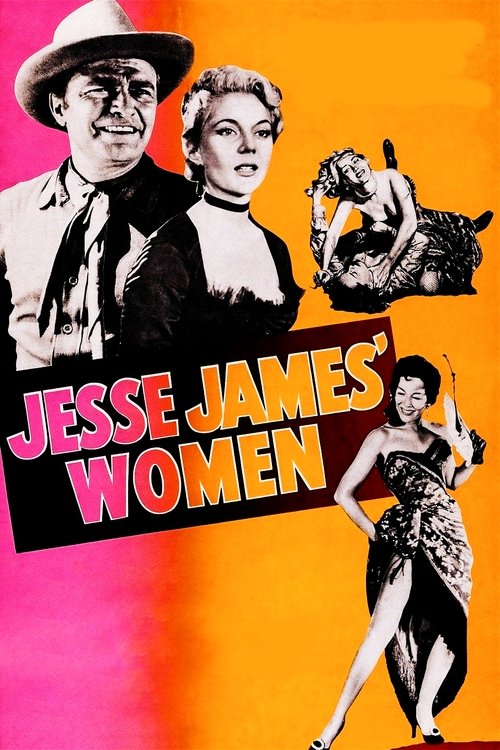
Jesse James' Women is a classic mid-century B-movie Western that prioritizes genre clichés over social complexity. Despite its title suggesting a focus on women, the narrative remains anchored in traditional hierarchies. The film offers minor subversions of gender roles, such as a saloon singer who outmaneuvers the protagonist. However, these moments are isolated within a broader framework of heterosexual romance and white-centric storytelling. Ultimately, the film lacks the racial diversity, multi-layered depth, or systemic critique necessary to move beyond conventional social structures of 1954.
Category Breakdown
The film does not include any LGBTQ+ identities or subtext. Romantic relationships are confined to heterosexual couples.
Women play important roles as catalysts for the protagonist's journey and romantic interests. A saloon singer demonstrates significant influence by outmaneuvering the main character. However, women are generally defined by their relationship to the male lead.
The cast is predominantly white and Anglo-Saxon, reflecting the homogeneous social depictions of mid-century frontier narratives. There are no characters from diverse racial backgrounds with significant roles.
The narrative operates within a traditional framework of Western individualism. It romanticizes the 'lovable rogue' without critiquing capitalist or Western institutions.
No visible or invisible disabilities are portrayed. Characters are presented through the lens of physical vitality typical of action-oriented Westerns.
Present on Screen
Limited or Absent
Official Synopsis
Jesse James leaves Missouri for Mississippi, and immediately charms all the women in Mississippi out of their bloomers and garters. His first conquest is the banker's daughter who helps him loot the bank in exchange for a promise of marriage; he wanders over to the saloon and runs the crooked partner of the proprietress out of town, takes all of his-and-her money and leaves her, between kisses, hounding him for her share; the third one, the saloon singer, actually makes a mark out of him as she cons him into a boxing match against a professional fighter and he loses the fight and his money, but he holds the singer and the fighter up as they leave town and gets his money back; and then he romances and swindles Cattle Kate, a replay of what he had done somewhere before to Kate.
1952
1940
1949

1939
1968
1953
1936
1947
No reviews yet. Be the first to share your thoughts on this movie!
Use the rating form above to leave a star rating and optional review.