
A Cold Wind in August
1961
No user ratings available yet
Diversity score: 2.8 out of 10

1967
Director
James Landis, Robert Carl Cohen
Runtime
83 minutes
Average Rating
No ratings yetSynopsis
The story of a young girl saved from desperation by an older farmer who makes her his wife. The old man cannot fulfill his young bride's desires or keep pace with her youth. What is a girl to do? Naturally, pursue the farmhand.
Overall Score
Limited
Category Breakdown
LGBTQ+ Representation
The film operates within a strictly heteronormative framework. There is no evidence of same-sex intimacy or non-cisnormative identities.
Gender Representation
Jennie displays agency by rejecting the role of a submissive wife to pursue her own desires. However, this agency is expressed through infidelity rather than a systemic challenge to patriarchy.
Racial & Ethnic Diversity
The rural setting suggests a likely homogeneous social structure. There is no indication of a diverse or non-Anglo-Saxon majority cast.
Religious & Cultural Diversity
The story explores situational ethics by framing adultery as a response to unmet needs. It lacks broader systemic or anti-capitalist critiques.
Disability Representation
The narrative provides no evidence regarding the portrayal of physical or neurodivergent disabilities.
Strengths
Areas for Improvement
AI Analysis
Jennie: Wife/Child is a traditional character drama that offers a slight subversion of domestic stability. While the female protagonist exercises agency by seeking fulfillment outside her marriage, the film remains rooted in the conventional social hierarchies of 1968. The production lacks intersectional complexity and diverse casting. The narrative focus is narrow, centering on individual morality and infidelity rather than systemic critique or diverse representation.
1961
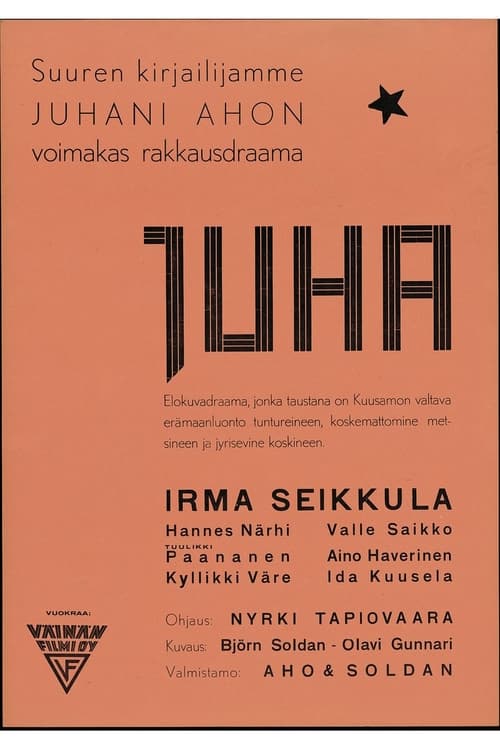
1937
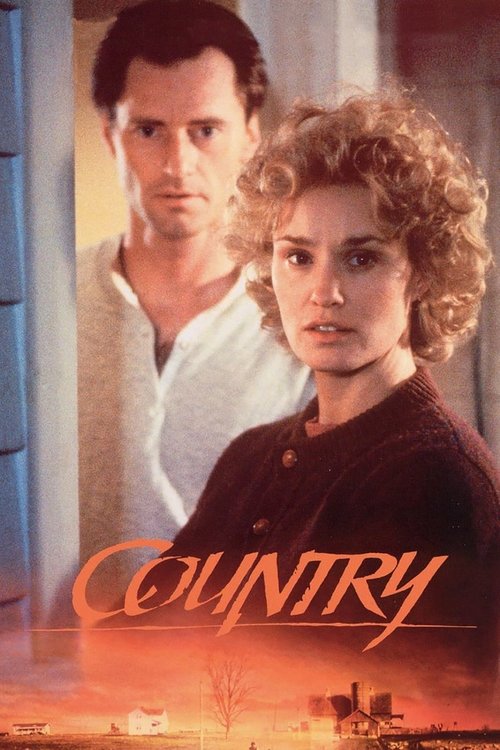
1984
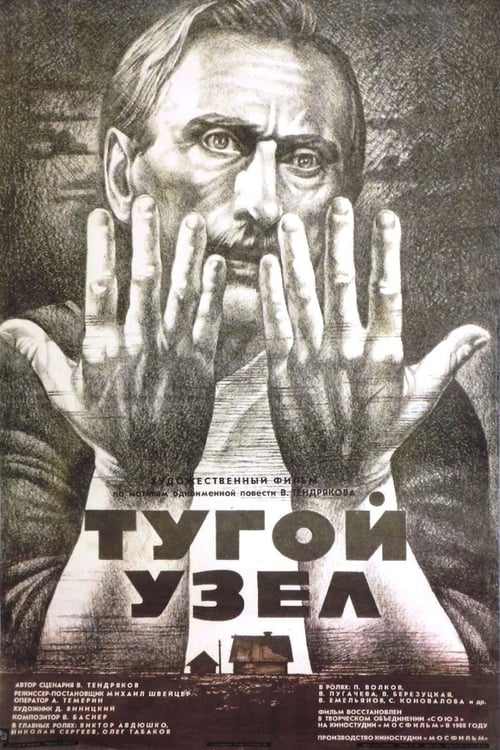
1957

1956
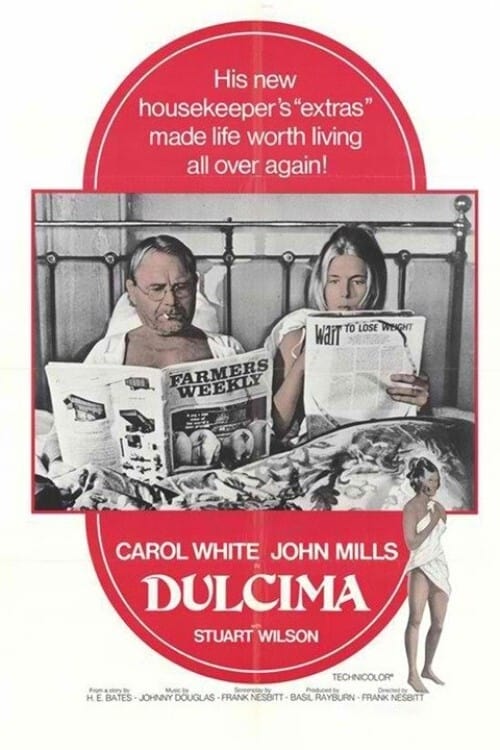
1971

1963
1960
1962

1967

1961

1973
No reviews yet. Be the first to share your thoughts on this movie!
Use the rating form above to leave a star rating and optional review.