
Hope
1988
No user ratings available yet
Representation score: 4.3 out of 10
Representation Score
Minimal
1978
Director
Sergei Bondarchuk
Runtime
134 minutes
Average Rating
No ratings yetNew Showbiz Analysis
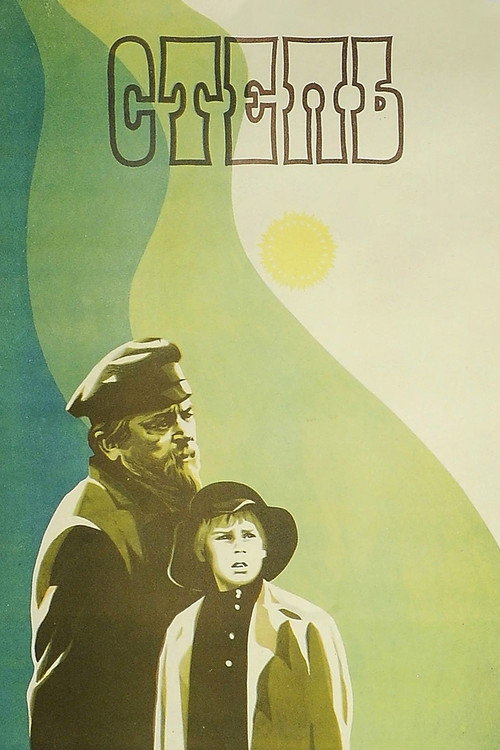
The Steppe is a classical, realist work that prioritizes historical accuracy and literary fidelity. It seeks to replicate the traditional hierarchies and social structures of 19th-century Russia rather than challenge them. The film functions as a contemplative study of human development within a traditionalist framework. It lacks the intentionality required to disrupt conventional expectations of identity or power. Because the narrative architecture is built upon stability and historical realism, it maintains a low progressive diversity score.
Category Breakdown
The film focuses on a young boy's journey through a rural setting, adhering to the social structures of the late 19th century without exploring non-traditional gender identities.
The narrative centers on the male experience and the protagonist's transition to adolescence. Women appear in roles consistent with period expectations, lacking the power to drive the central plot.
Casting reflects the demographic reality of the Russian steppe during the imperial period, presenting a largely homogeneous ethnic landscape faithful to its literary source.
The story emphasizes a connection to nature and the rhythms of rural life, portraying traditional family and community structures through a lens of historical continuity.
There are no prominent depictions of visible or invisible disabilities. Characters are presented within a standard framework of physical health typical of pastoral dramas.
Present on Screen
Limited or Absent
Official Synopsis
A boy in Russia, circa 1900, makes a daunting trip from his home village to a school in the city.
1988
1971
1979
2000
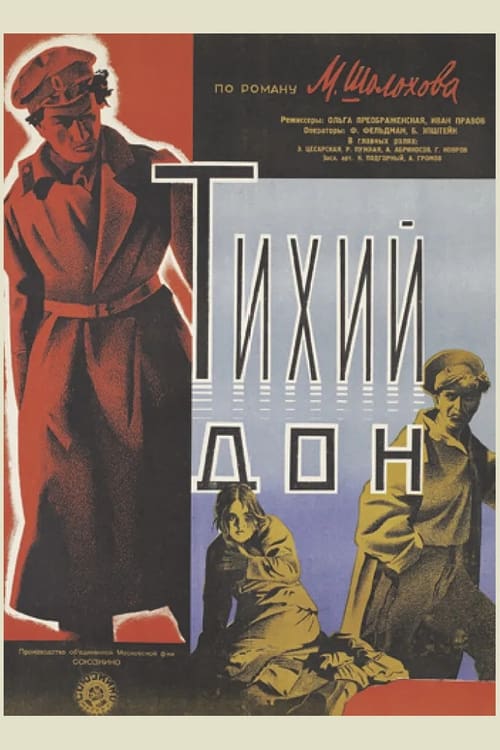
1931
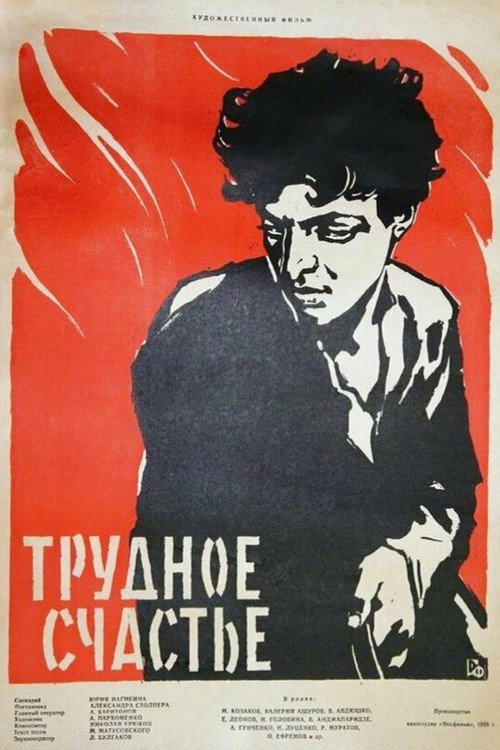
1958
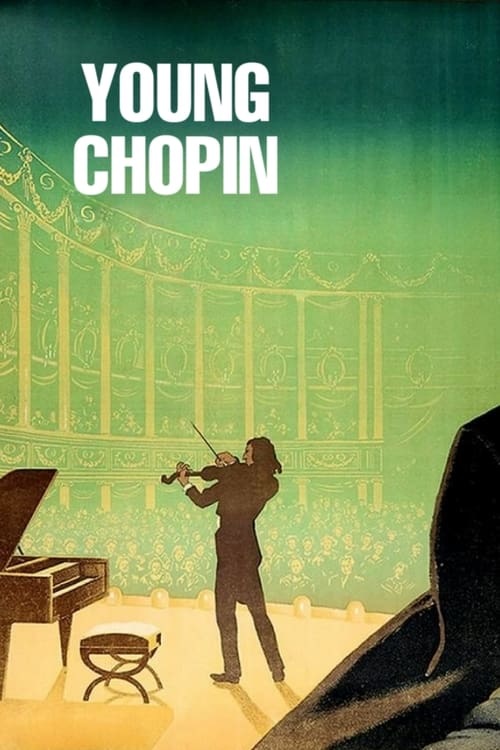
1952
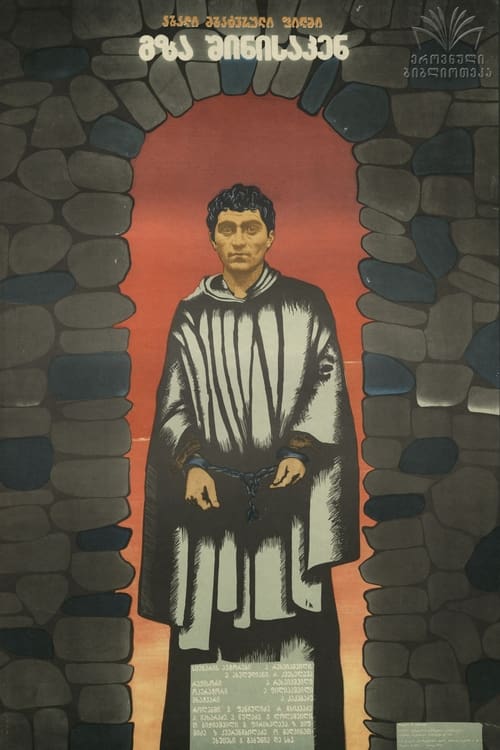
1981
No reviews yet. Be the first to share your thoughts on this movie!
Use the rating form above to leave a star rating and optional review.