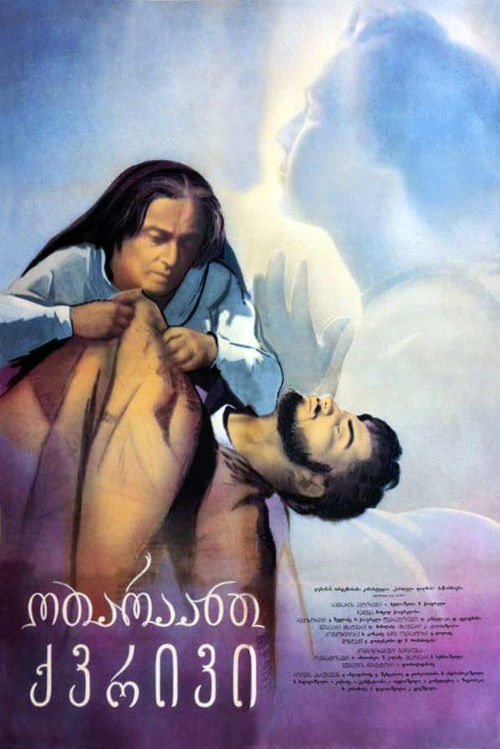
Otar's Widow
1957
No user ratings available yet
Diversity score: 4.8 out of 10
1929
Director
Mikheil Chiaureli
Runtime
100 minutes
Average Rating
No ratings yetSynopsis
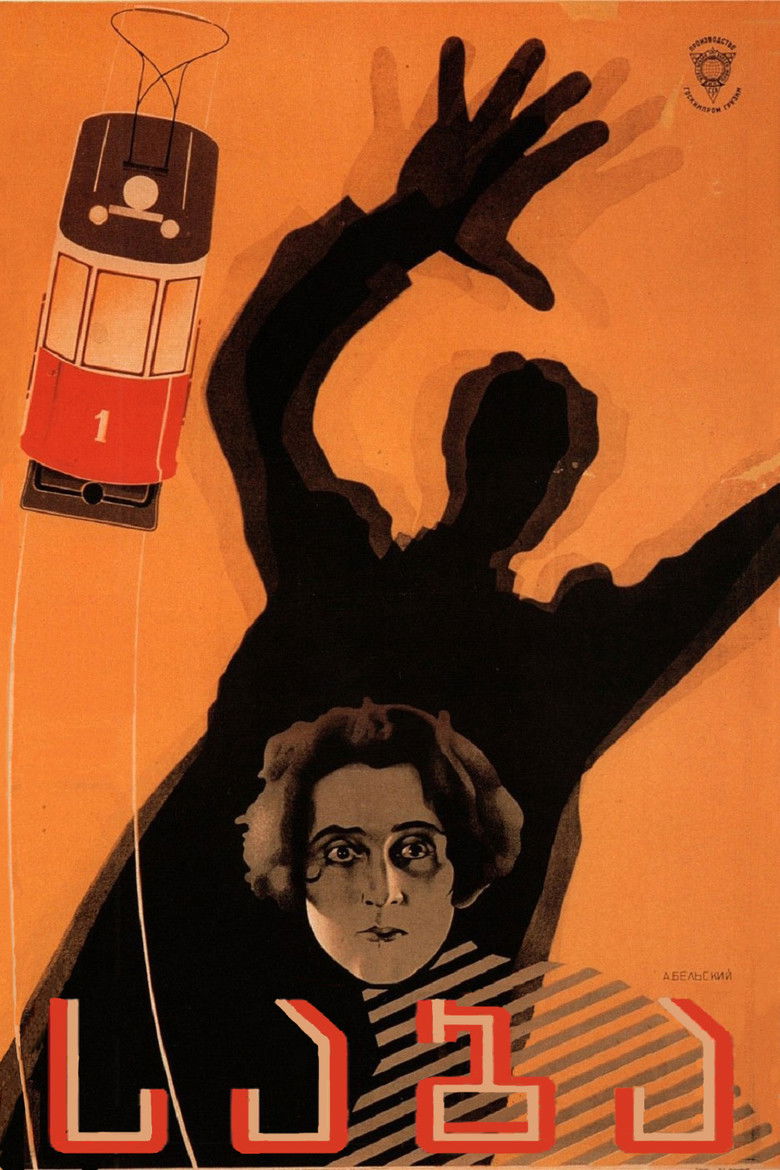
A rework of Boris Sigal's play The Trial of Stepan Korolev. Set in Tbilisi rather than Leningrad is a morality tale about the hazards of alcohol consumption that is nonetheless not without humor.
Overall Score
Fair
Category Breakdown
LGBTQ+ Representation
The film lacks any evidence of queer narratives or non-cisnormative identities. The era's focus on collective social struggle left little room for such depictions.
Gender Representation
The narrative focuses on social stability and the hazards of alcoholism. It appears to reinforce traditional archetypes rather than subverting gender hierarchies.
Racial & Ethnic Diversity
Relocating the story to Tbilisi provides a significant shift from Russian-centric narratives. This choice grants agency to a specific Georgian cultural context.
Religious & Cultural Diversity
The film replaces religious morality with a secular, Soviet-era critique of individual vice. It emphasizes systemic social health over individualist or divine judgment.
Disability Representation
There is no evidence of characters with disabilities portrayed with agency. Impairments in this era were often used as metaphors for social decay.
Strengths
Areas for Improvement
AI Analysis
Saba is a product of its specific historical and ideological moment. While it makes a progressive move by centering Georgian identity over a Russian-centric lens, it remains bound by the rigid moral frameworks of 1929 Soviet cinema. The film prioritizes collectivist values and social reform, which limits its intersectional depth. It functions more as a tool for social instruction than a nuanced exploration of diverse lived experiences.
1957
1929
1985
1974
2010
1930
2013
1961
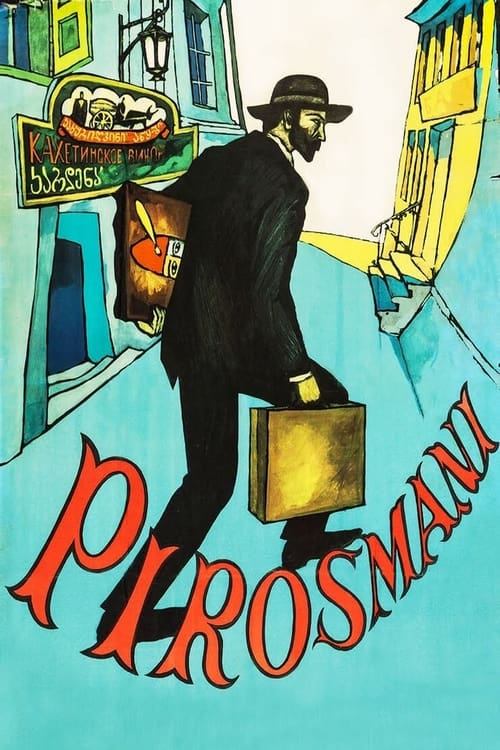
1969
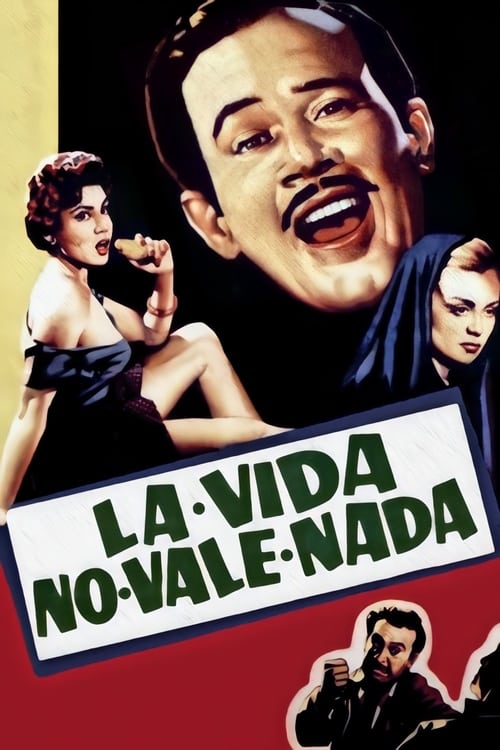
1955
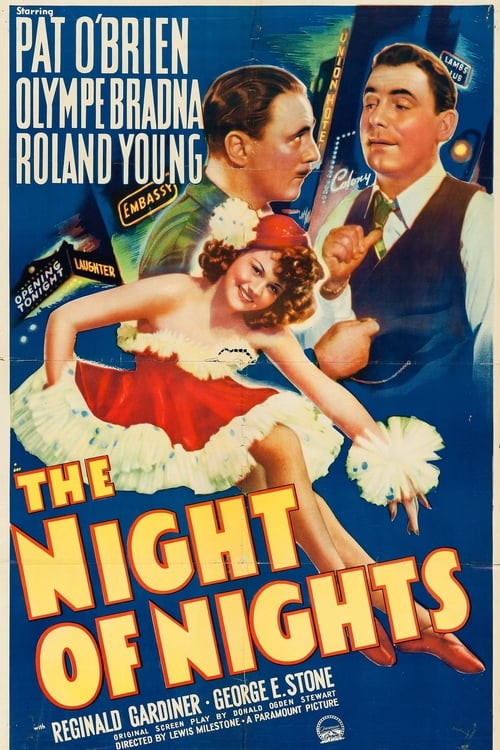
1939
2005
No reviews yet. Be the first to share your thoughts on this movie!
Use the rating form above to leave a star rating and optional review.