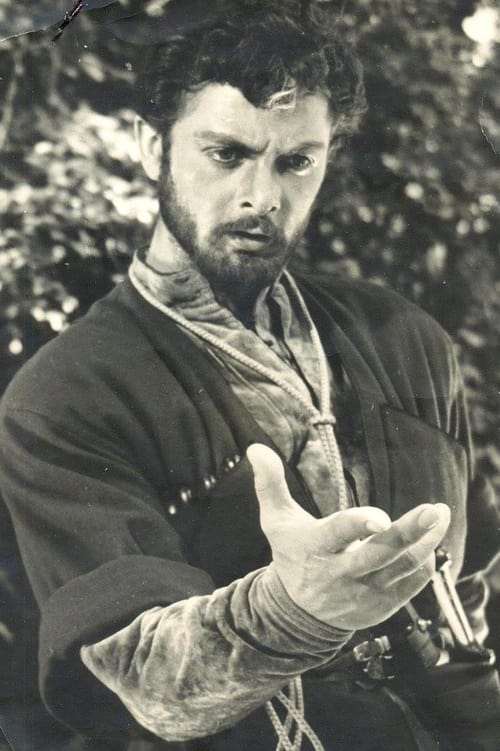
Story by the Beggar
1961
No user ratings available yet
Representation score: 7.4 out of 10
No Poster Available
Representation Score
Good
1930
Director
Mikheil Kalatozishvili
Runtime
60 minutes
Average Rating
No ratings yetNew Showbiz Analysis
The film stands out as a significant contribution to regional cinema by highlighting the Svan culture. This ethnic specificity adds depth often missing from early global productions. However, the film is constrained by the conventions of 1930s cinema. Characters, especially those related to gender and disability, seem to serve as symbolic figures rather than complex, independent individuals. Overall, while the film excels in ethnic representation, it falls short in providing characters with multifaceted identities and diverse backgrounds.
Category Breakdown
The film does not include clear evidence of queer narratives or non-straight relationships. It seems to follow the traditional social structures of the Svaneti region during that time.
A female protagonist is central to the title, but her role is unclear. It’s uncertain whether she is shown as an empowered person or as someone controlled by patriarchal traditions.
The film highlights the Svan ethnic group, offering significant visibility to this specific Caucasus subgroup. By focusing on this particular community, it breaks the uniformity often seen in early global cinema.
The film likely examines the conflict between traditional mountain customs and early Soviet collective ideologies. It may criticize religious institutions in favor of secular, communal frameworks.
A visually impaired character is central to the story. However, in this era, disability was often used as a metaphor for spiritual blindness rather than a portrayal of individual empowerment.
Present on Screen
Limited or Absent
Official Synopsis
Everyday drama from the life of the Svans.
1961

1956

1990

1964
1956

2011
1931

1930
No reviews yet. Be the first to share your thoughts on this movie!
Use the rating form above to leave a star rating and optional review.