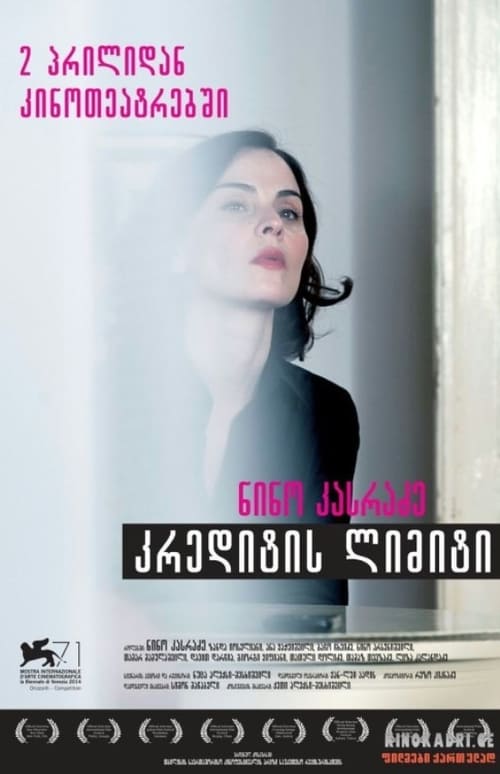
Line of Credit
2014
No user ratings available yet
Representation score: 5.3 out of 10
Representation Score
Good
2010
Not RatedDirector
Levan Koguashvili
Runtime
89 minutes
Average Rating
No ratings yetNew Showbiz Analysis
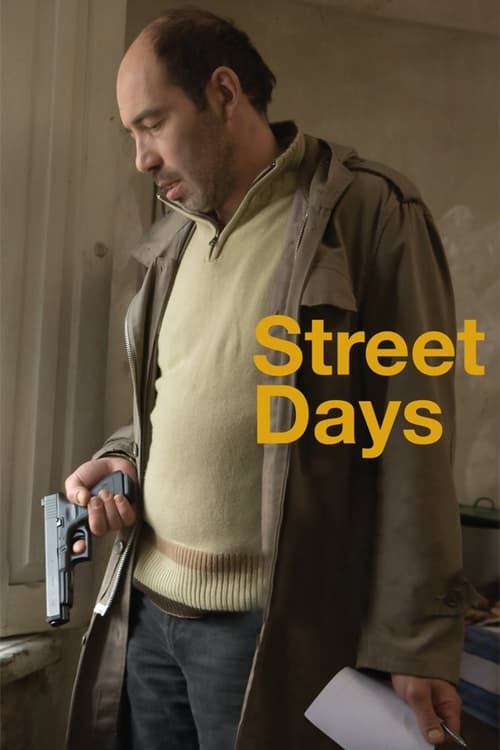
Street Days is a gritty social realism film that offers a sophisticated critique of institutional stability and corruption. It effectively deconstructs traditional authority by portraying the state and police as exploitative forces. This provides a deep, non-Western perspective on post-Soviet life. However, the film's scope is narrow. It lacks diverse representation, particularly regarding LGBTQ+ identities and multi-ethnic casting. The depiction of disability is also limited, focusing more on the consequences of addiction than on the lived experience of those affected.
Category Breakdown
The film does not feature prominent LGBTQ+ characters or narratives. The story centers on the survival of a specific family unit, with little room for queer-coded subtext.
The narrative challenges traditional gender roles by placing the burden of survival on the female protagonist while her husband struggles with addiction. She emerges as the primary driver of the story.
The cast is ethnically uniform, reflecting a specific Georgian setting. While this limits multi-ethnic variety, it maintains cultural authenticity.
The film critiques institutional stability and corruption. It portrays the police and the nuclear family as dysfunctional within a broken socioeconomic system.
Addiction is portrayed through Checkie, but it primarily serves as a plot device. The film focuses on the consequences of substance abuse rather than exploring disability in depth.
Present on Screen
Limited or Absent
Official Synopsis
A middle-aged, unemployed heroin-addict, Checkie, loiters on the Tbilisi street outside his son’s school, where he himself was once a promising student. His wife, meanwhile, struggles to pay the tuition and understand her husband’s lack of interest in the family’s survival—even as the bank repossesses their furniture. But when a group of policemen blackmails Checkie into entrapping the son of his wealthy friend, husband and wife are unified by the uncertainty of their deepening moral dilemma, and a series of worsening foul-ups, in Levan Koguashvili’s lightly humorous yet realistic drama about the fate of a generation left behind in Georgia’s post-Soviet era.
2014
1996
2011
1997
2014
1994
1994
1998
No reviews yet. Be the first to share your thoughts on this movie!
Use the rating form above to leave a star rating and optional review.