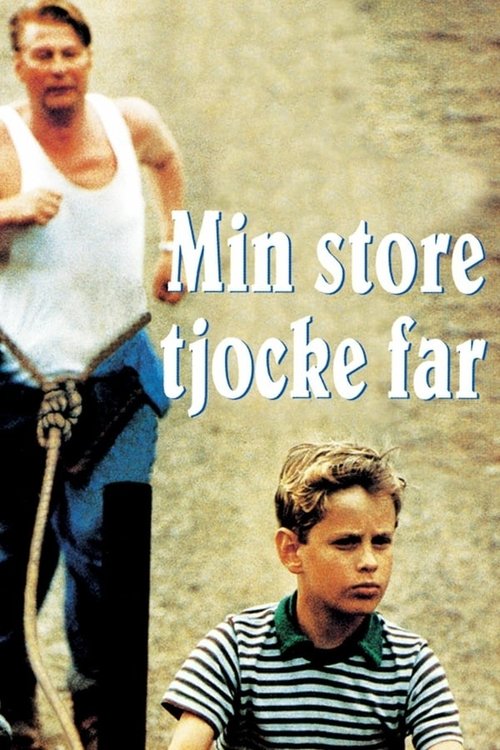
My Big Fat Father
1992
No user ratings available yet
Diversity score: 3.3 out of 10
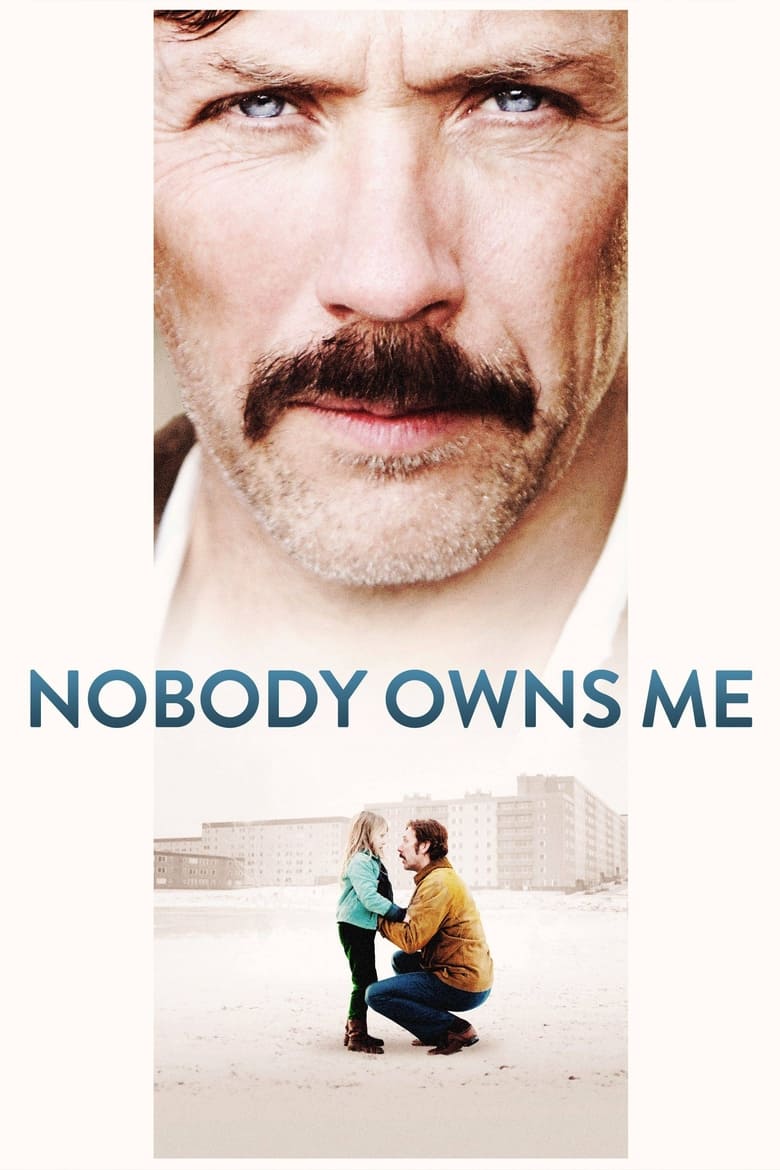
2013
Director
Kjell-Åke Andersson
Runtime
110 minutes
Average Rating
No ratings yetSynopsis
The story of a lone father's relationship with his daughter, of the destructive power of alcohol, of a child's vulnerability, but also of love, betrayal and socialist politics in 1970s Sweden. A unique and moving story freely based on Åsa Linderborg's best-selling novel.
Overall Score
Fair
Category Breakdown
LGBTQ+ Representation
The film lacks explicit evidence of queer identities or non-cisnormative characters. While the socialist themes may touch on marginalized social positions, there is no verifiable data regarding sexual diversity.
Gender Representation
The story disrupts traditional nuclear family models by focusing on a lone father and his daughter. It subverts masculine archetypes by portraying a father defined by instability and struggle rather than stoic competence.
Racial & Ethnic Diversity
Set in 1970s Sweden, the film likely reflects the era's specific demographics. The narrative appears to prioritize class-based identity and social stratification over visible racial diversity.
Religious & Cultural Diversity
The film earns high marks for its engagement with socialist politics. It critiques established social orders and traditional institutions through a lens of systemic struggle and collective perspectives.
Disability Representation
The narrative centers on the destructive power of alcohol, treating addiction as a central driver of the plot. This provides a depiction of a significant mental health and behavioral condition.
Strengths
Areas for Improvement
AI Analysis
Nobody Owns Me is a period drama that uses the backdrop of 1970s Sweden to explore the friction between personal trauma and systemic politics. The film succeeds in deconstructing traditional social norms, particularly through its portrayal of a fractured family unit and the subversion of patriarchal stability. However, the film's diversity is largely thematic rather than demographic. While it offers a nuanced critique of masculinity and social structures, it lacks clear evidence of LGBTQ+ representation or significant racial diversity, likely reflecting its specific historical setting. Ultimately, the work functions as a character study of vulnerability. It trades conventional heroics for a gritty look at how addiction and political shifts impact the individual and the family.
1992

2007
2010
1949
2007

2008

2018

2010

2014

2015

2006

1993
No reviews yet. Be the first to share your thoughts on this movie!
Use the rating form above to leave a star rating and optional review.