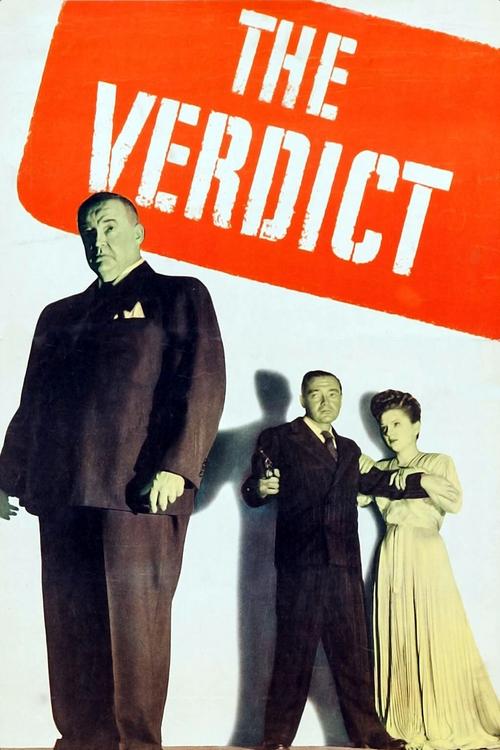
The Verdict
1946
No user ratings available yet
Representation score: 1.6 out of 10

Representation Score
Minimal
1940
ApprovedDirector
Boris Ingster
Runtime
64 minutes
Average Rating
No ratings yetNew Showbiz Analysis
Stranger on the Third Floor is a masterclass in psychological expressionism, yet it reflects the social norms of its time. The film prioritizes the internal fragmentation of the male protagonist over engaging with diverse identities. The narrative is built around traditional hierarchies, featuring a homogeneous cast and limited women's ability to drive the story. While the stylized depiction of mental distress is visually striking, it functions more as a thriller cliché than a deep exploration of disability. Ultimately, the film's focus on a singular, white, male perspective results in a narrow social scope that lacks depth in representing different aspects of identity.
Category Breakdown
There are no visible LGBTQ+ characters or non-straight relationships in the film. The story stays within the traditional social structures of the 1940s.
Female characters mainly serve as emotional support for the male protagonist. They do not play a significant role in driving the plot and have little control over their own lives.
The cast is made up of predominantly white, urban middle-class individuals. The film lacks significant portrayals of racial or ethnic diversity, reflecting the era's social exclusions.
The story operates within a conventional Western framework without questioning major institutions. It focuses on individual guilt rather than challenging the existing social order.
Mental instability is explored through a stylized, expressionistic lens. However, the portrayal uses neurodivergence as a suspense vehicle rather than a nuanced study of lived experience.
Present on Screen
Limited or Absent
Official Synopsis
Newspaper reporter Michael Ward plunges into a nightmare of guilt, fearing that his "evidence" has sentenced the wrong man to death.
1946
1947
1947
1944
1949

1948
1941

1930
No reviews yet. Be the first to share your thoughts on this movie!
Use the rating form above to leave a star rating and optional review.