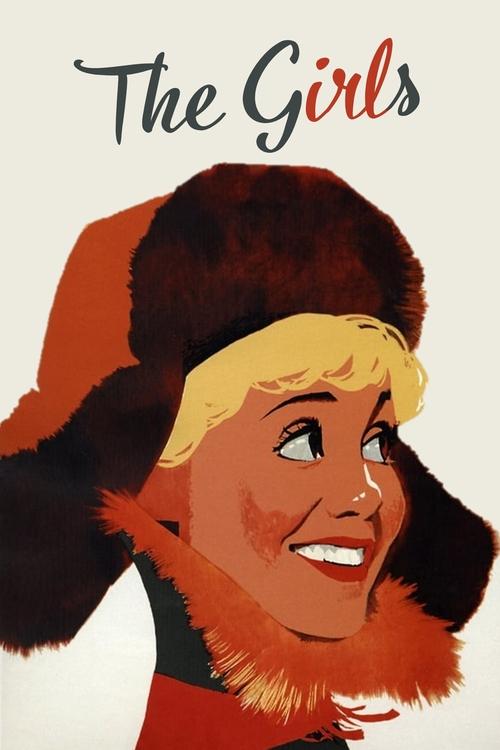
The Girls
1962
No user ratings available yet
Representation score: 3.0 out of 10
Representation Score
Limited
1959
Director
Sergei Parajanov
Runtime
81 minutes
Average Rating
No ratings yetNew Showbiz Analysis
The film excels in showcasing a specific regional identity, shifting away from rigid social realism towards a stylized, communal celebration of Ukrainian folk life. Its strength lies in its cultural commitment to collective revolutionary ideals. However, the narrative remains tied to traditional romantic structures. The central conflict revolves around a patriarchal struggle for possession, limiting the depth of its gender representation. Ultimately, the work serves as a vibrant exploration of ethnic and communal identity, even while adhering to conventional heterosexual clichés.
Category Breakdown
The film focuses on a heterosexual rivalry among three men, and there are no LGBTQ identities or subtext in the story.
Odarka serves as a pivotal figure in social interactions, but she mainly functions as a romantic object. The film challenges traditional masculinity by showing male vulnerability and social failure.
The story highlights Ukrainian regional identity through the depiction of peasant life and local customs. It elevates non-Anglo-Saxon aesthetics by emphasizing the communal life of the kolkhoz.
The film prioritizes collective revolutionary ideals over individualistic Western models. It uses music and communal imagery to celebrate systemic changes and regional folk traditions.
There are no visible or invisible disabilities portrayed in the characters or the plot.
Present on Screen
Limited or Absent
Official Synopsis
A gem from Paradjanov's early oeuvre is a musical agitation film or a romantic comedy, made by the young director under the guidance of Alexander Dovzhenko and set in the immense fields of the collectivised Ukraine. The social realism is replaced by colourful, convivial and dancing shots of the “Pabieda” (Victory) kolkhoz, where peasant women sing in the fields, and boys march with banners glorifying revolution. Against this backdrop, intense romantic feelings have reached a climactic stage; tailor Sidor Sidorovich, farmer Jushka and soldier Danila Petrovich all dote on the fair-haired Odarka. It is Jushka and Danila who engage in overt hostility; the initial “gentlemen’s” contest turns into an outright confrontation, resulting in miserable Jushka being increasingly more desperate and scorned by the villagers.
1962
1965
1950
1966

1960
1962
1963
1956
No reviews yet. Be the first to share your thoughts on this movie!
Use the rating form above to leave a star rating and optional review.