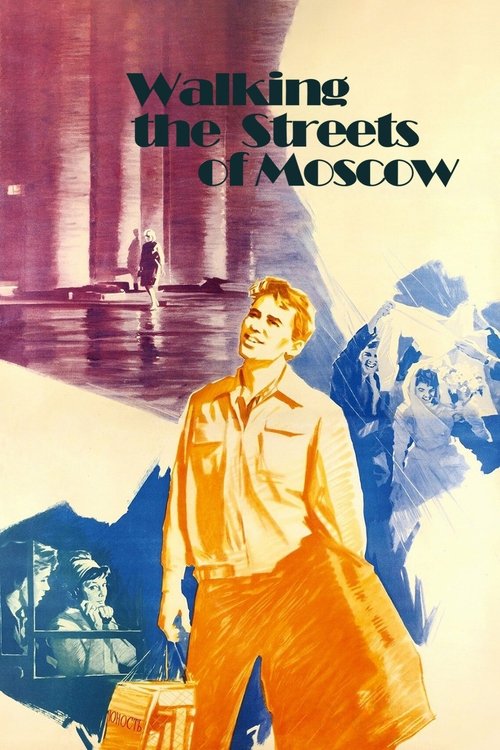
Walking the Streets of Moscow
1964
No user ratings available yet
Diversity score: 3.6 out of 10
1963
Director
Boris Barnet
Runtime
70 minutes
Average Rating
No ratings yetSynopsis
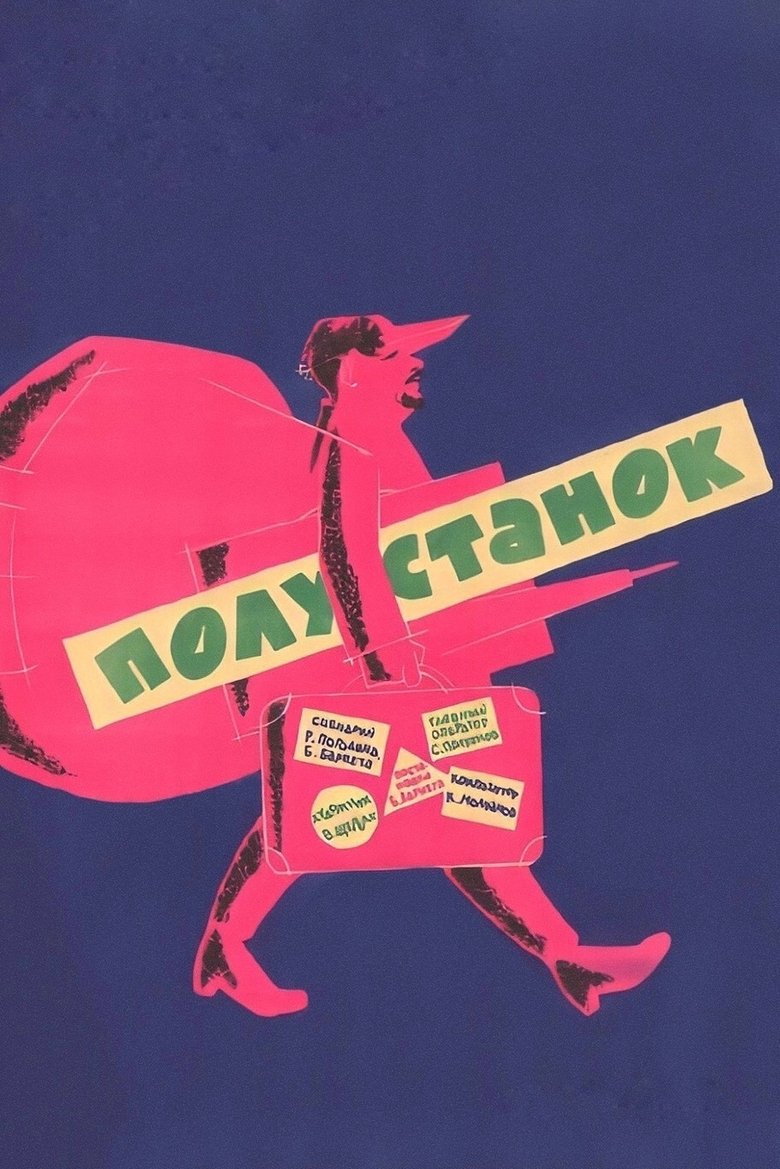
Moscow academician Pavel Pavlovich comes to a picturesque village on the seashore to calmly spend his vacation here. Whiling away the time for sketches, he manages to get acquainted with the local guys, the restless Grishka and the daughter of the foreman Nyuska. Together they build a stove, repair a sewing machine, and reconstruct a telephone switchboard. When Pavel Pavlovich suddenly falls ill, all the villagers take care of him. When the time comes to leave, Pavel Pavlovich understands that in this village far from the capital, he leaves a piece of his heart.
Overall Score
Fair
Category Breakdown
LGBTQ+ Representation
The film adheres to traditional romantic tropes of the 1960s. There is no evidence of non-heteronormative identities or same-sex intimacy within the narrative.
Gender Representation
The story centers on male interactions, positioning the female lead as a secondary figure. Technical agency in communal tasks is primarily attributed to the male characters.
Racial & Ethnic Diversity
The setting suggests a homogeneous ethnic landscape typical of rural Soviet productions. The film lacks evidence of multi-ethnic casting or intersectional diversity.
Religious & Cultural Diversity
The narrative emphasizes communal labor and collective care over individualistic pursuits. It critiques urban isolation by framing the village as a source of moral grounding.
Disability Representation
The protagonist's illness serves as a plot device to facilitate community bonding. There is no deep exploration of physical or neurodivergent disability agency.
Strengths
Areas for Improvement
AI Analysis
Whistle Stop is a traditional romantic comedy that reflects the social norms of its era. It prioritizes interpersonal connection and communal interdependence over modern identity politics. The film's strength lies in its humanistic storytelling and its critique of urban isolation. By focusing on the emotional sustenance found in village life, it offers a subtle subversion of professional individualism. However, the narrative remains limited by traditional gender hierarchies and a lack of diverse identity representation. The focus on male-driven technical labor and a homogeneous social landscape keeps the film within a conventional mid-century framework.
1964
1935

1962
1959
1966
1958
1966
1975
1959

1952

2006
1939
No reviews yet. Be the first to share your thoughts on this movie!
Use the rating form above to leave a star rating and optional review.