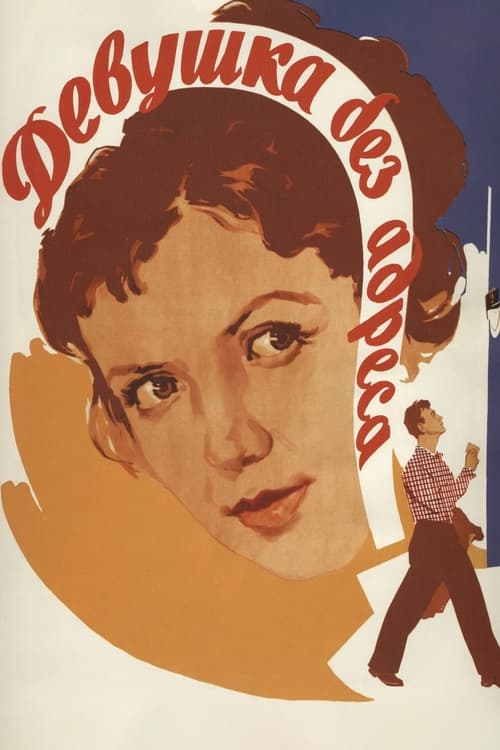
Girl without an Address
1958
No user ratings available yet
Representation score: 2.4 out of 10
Representation Score
Limited
1964
Director
Georgiy Daneliya
Runtime
78 minutes
Average Rating
No ratings yetNew Showbiz Analysis
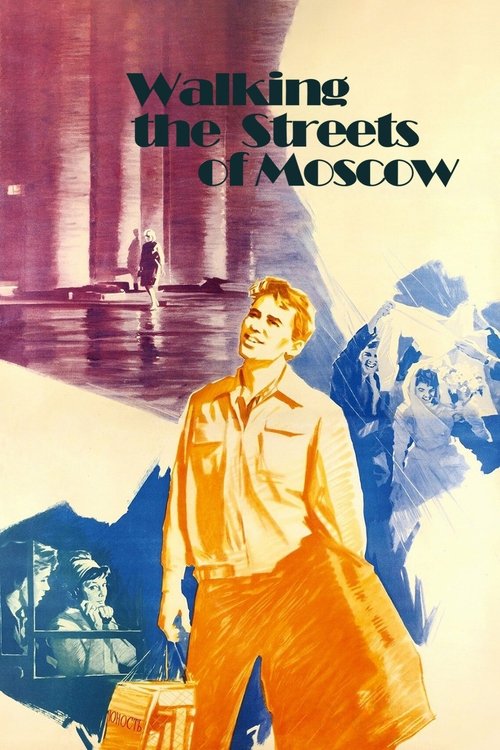
Walking the Streets of Moscow represents a significant shift toward lyrical humanism, moving away from the rigid, didactic structures of Stalinist Socialist Realism. By focusing on individual emotional nuance rather than state-mandated archetypes, the film offers a more subjective view of life. However, the film remains a product of its specific historical and geographic context. It does not engage with modern perspectives that reflect multiple aspects of identity, as the cast and character dynamics reflect the homogeneous and traditional social structures of 1964 Moscow. Ultimately, the film's progressiveness is found in its secularism and its departure from institutionalized dogma, even if it lacks representation for underrepresented groups.
Category Breakdown
The film adheres to the social constraints of the 1960s Soviet Union. There is no evidence of non-straight relationships or narratives that critique the assumption that everyone is straight.
The narrative reflects mid-century social norms without actively challenging traditional gender roles. While women appear in the urban landscape, the central plot drivers are primarily focused on male protagonists.
The cast is largely homogeneous, reflecting the demographic reality of 1960s Moscow. The film focuses on the localized, everyday experiences of the urban Soviet population.
The film prioritizes secularism and poetic realism over religious or state-centric morality. It favors the subjective human experience over grand, state-driven narratives of heroism.
There are no prominent characters with visible or invisible disabilities portrayed with significant influence. The narrative focuses on the average urban citizen rather than disability as a theme.
Present on Screen
Limited or Absent
Official Synopsis
On a stopover in Moscow, a young writer Volodya makes friends with Kolya, who is returning home from a hard night shift. Just as Kolya is about to take a rest, he is met by his old friend Sasha, who wants help getting a deferral from military service so that he can get married.
1958

1952
1963
1980
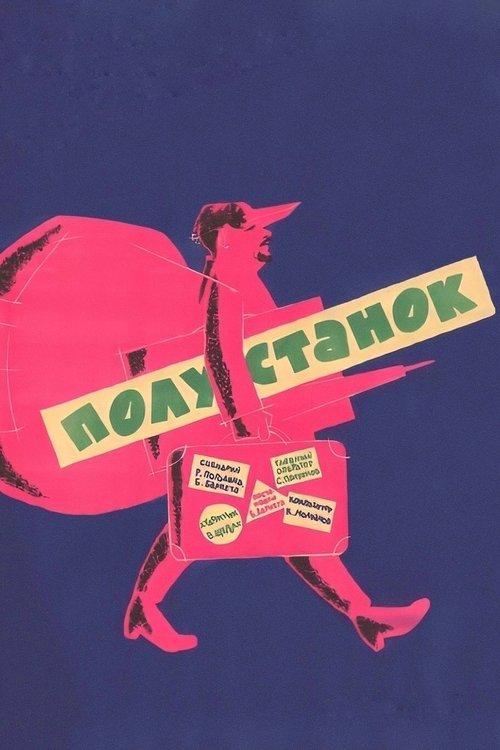
1963
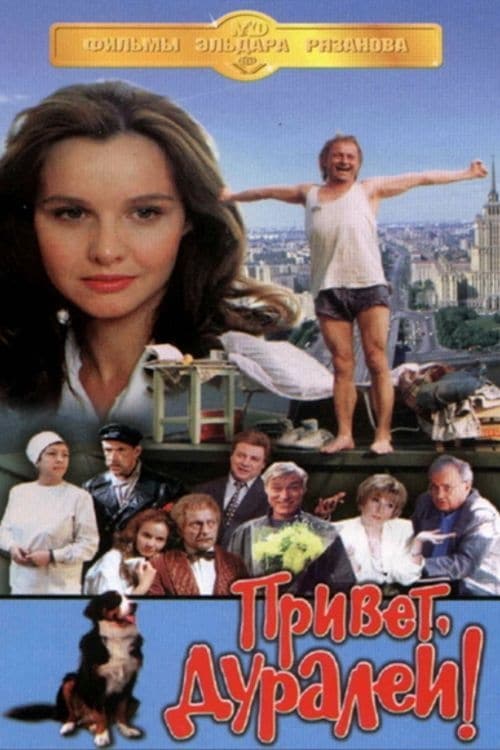
1996
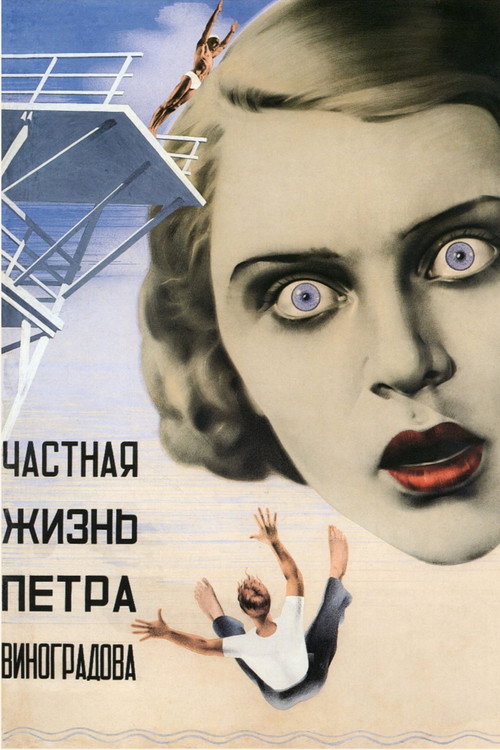
1935

1994
No reviews yet. Be the first to share your thoughts on this movie!
Use the rating form above to leave a star rating and optional review.