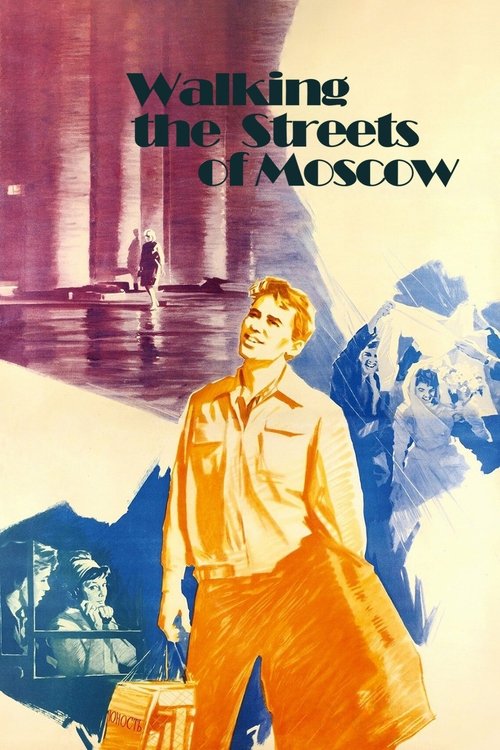
Walking the Streets of Moscow
1964
No user ratings available yet
Representation score: 2.4 out of 10
Representation Score
Limited
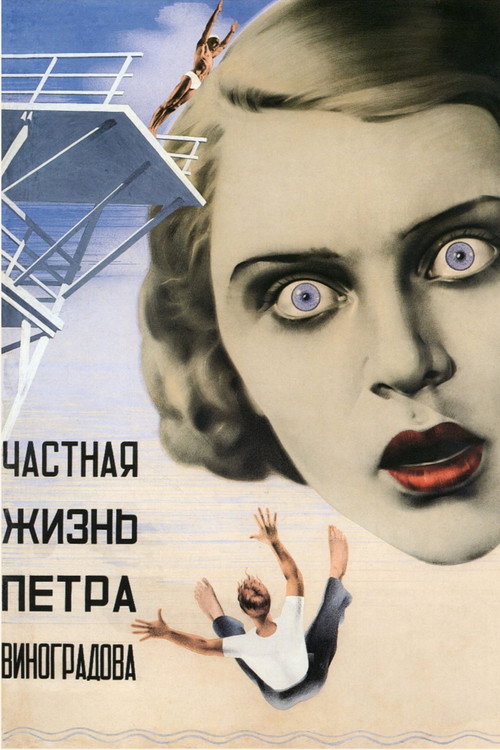
1935
(Banned)Director
Aleksandr Macheret
Runtime
83 minutes
Average Rating
No ratings yetNew Showbiz Analysis
The film reflects the social priorities of 1930s Soviet society. It focuses on the traditional milestones of male academic and professional success within a state-oriented framework. While the cast suggests a mix of ethnicities, the narrative emphasizes regional-to-urban integration and class mobility over multi-layered identity. The work adheres closely to the institutional structures of the era and lacks contemporary markers of subversive storytelling.
Category Breakdown
The film does not include any LGBTQ+ characters or non-straight relationships. It focuses on traditional romance and male friendships, reinforcing the idea that everyone is assumed to be straight.
The story mainly revolves around male characters dealing with career and education. While Valya provides emotional support for Pyotr, the narrative emphasizes the male journey towards becoming a professional in the city.
Characters like Senya Kaufman indicate a mix of ethnicities typical of the Soviet era. However, the story focuses more on class and educational opportunities rather than exploring racial or ethnic identity.
The film highlights the state-driven progress through industrial work and higher education. It reflects the collectivist values of the time, emphasizing institutions as key to personal development.
There is no mention of physical, sensory, or neurodivergent disabilities in this work.
Present on Screen
Limited or Absent
Official Synopsis
Graduating students of school Peter Vinogradov, Senya Kaufman and Kotya Ohotnikov leave from a distant city to Moscow. Friends promise not to forget a home town and friends. Peter with melancholy says goodbye to favorite girl Valya, dreaming to enter the Moscow conservatory. Arriving in the capital, friends act to work on a car factory and settle down in evening institution of higher learning. Life begins only.
1964
1962
1958
1925
1963
1980
1959
1927
No reviews yet. Be the first to share your thoughts on this movie!
Use the rating form above to leave a star rating and optional review.