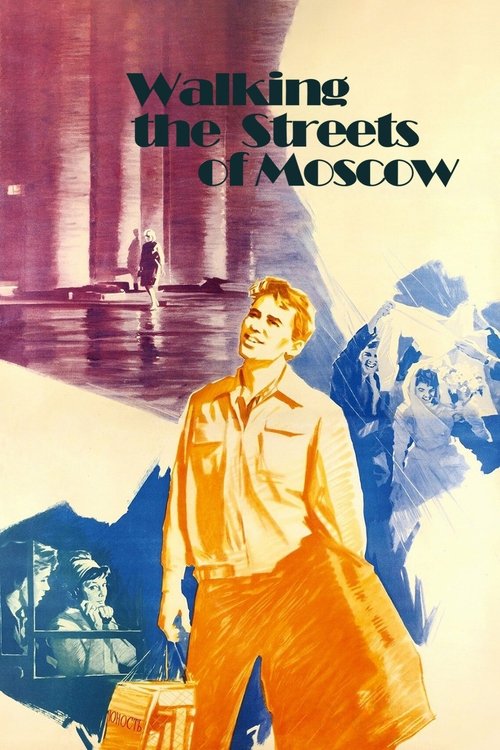
Walking the Streets of Moscow
1964
No user ratings available yet
Diversity score: 3.6 out of 10

1966
Director
Vasiliy Shukshin
Runtime
101 minutes
Average Rating
No ratings yetSynopsis
A story about Pashka, a really decent, honest guy, even though he lies a lot, who is looking for happiness and love.
Overall Score
Limited
Category Breakdown
LGBTQ+ Representation
The film follows a traditional romantic trajectory centered on the protagonist's search for love. There is no evidence of LGBTQ+ characters or non-heteronormative narratives.
Gender Representation
The narrative focuses on the male protagonist, Pashka, navigating social and romantic landscapes. While the search for love implies female presence, structural agency remains centered on the male experience.
Racial & Ethnic Diversity
The film reflects a relatively homogeneous ethnic landscape typical of its Soviet-era setting. There is no indication of race-bending or diverse casting beyond standard demographic norms.
Religious & Cultural Diversity
The story introduces moral complexity through a protagonist who is both decent and prone to lying. This focus on individualistic humanism moves away from rigid, singular didacticism.
Disability Representation
There is no mention of characters with visible or invisible disabilities within the available narrative description.
Strengths
Areas for Improvement
AI Analysis
Vasiliy Shukshin’s work focuses on the psychological depth of the common man rather than modern intersectional frameworks. The film functions as a character-driven romantic comedy rooted in the social realism of 1966. It prioritizes individual temperament and personal honesty over systemic critique. While the protagonist's moral ambiguity provides psychological nuance, the film lacks the disruption of traditional social hierarchies. The narrative architecture remains centered on a singular male experience within a homogeneous cultural milieu. Ultimately, the film reflects the standard demographic and social norms of its era, offering humanistic depth without addressing broader identity-based representation.
1964
1967
1958
1964
1962

1964
1966
1967
1987

1959
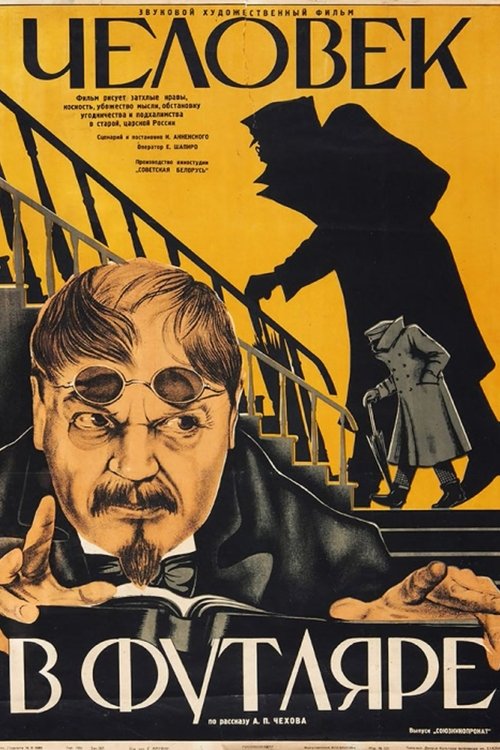
1939

1972
No reviews yet. Be the first to share your thoughts on this movie!
Use the rating form above to leave a star rating and optional review.