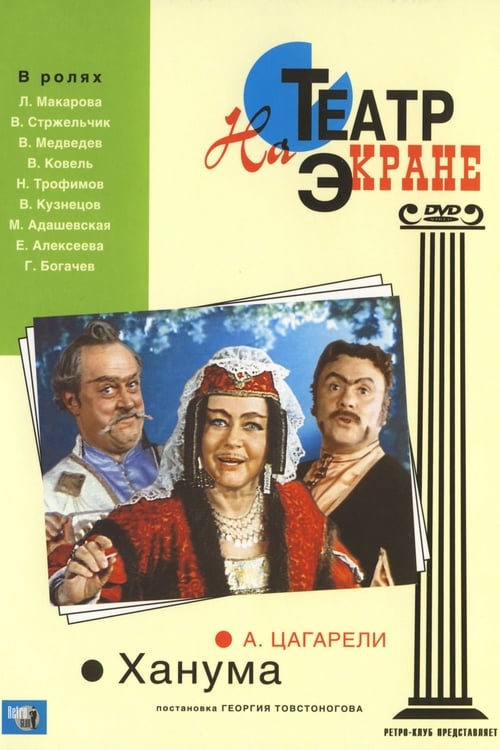
Khanuma
1978
No user ratings available yet
Representation score: 5.5 out of 10
Representation Score
Fair
1962
Director
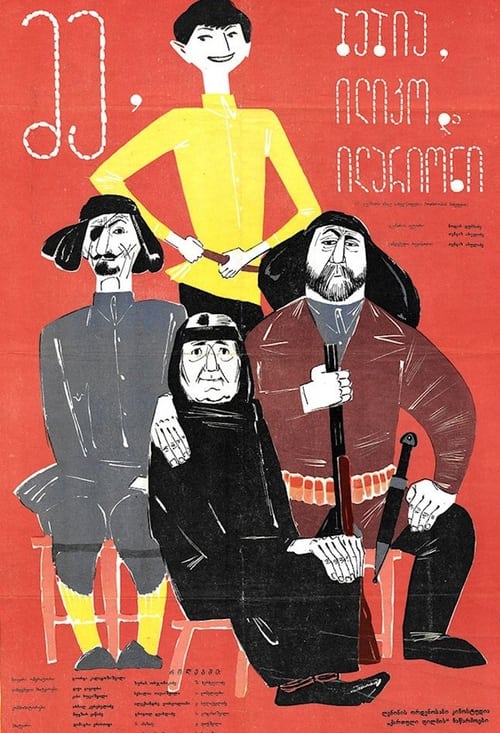
Tengiz Abuladze
Runtime
90 minutes
Average Rating
No ratings yetNew Showbiz Analysis
Abuladze’s work stands out as a significant example of poetic cinema that rejects conventional Western storytelling. It excels by emphasizing subjective, memory-based experiences over linear, didactic narratives. The film successfully asserts a strong Georgian ethnic identity through a localized, culturally specific cast. However, it lacks representation of LGBTQ+ identities and disabilities, which limits its overall diversity profile.
Category Breakdown
The film does not include any LGBTQ+ characters or narratives. The story centers on family bonds within a traditional rural setting.
The narrative challenges traditional gender roles by focusing on female lineage. The grandmother plays a key role in passing down wisdom and continuity.
The film highlights a strong Georgian identity through a locally specific cast. It celebrates an ethnic identity outside of dominant Western cinematic norms.
The film uses non-linear storytelling to emphasize subjective truths over objective history. It favors folklore and flexible spirituality over rigid, institutionalized moralities.
There are no prominent depictions of physical or neurodivergent disabilities. No such characters play a central role in the plot.
Present on Screen
Limited or Absent
Official Synopsis
The residents of a Georgian village bungle their way through war, peace, life and death.
1978

1962
1963
1980
1975
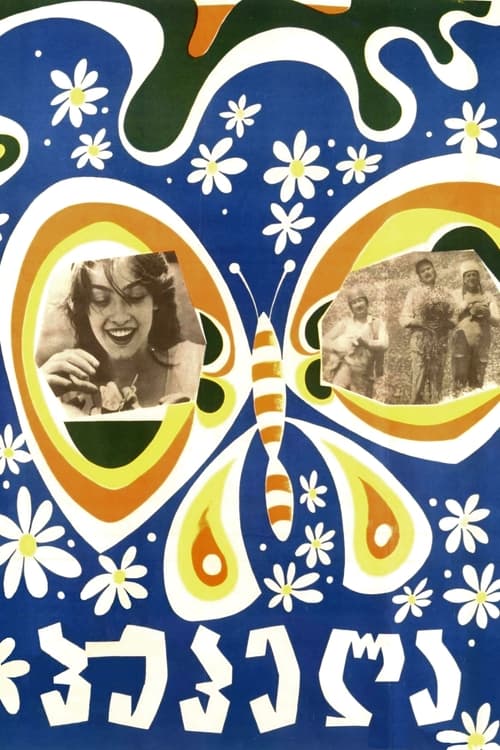
1977

1959
1967
No reviews yet. Be the first to share your thoughts on this movie!
Use the rating form above to leave a star rating and optional review.