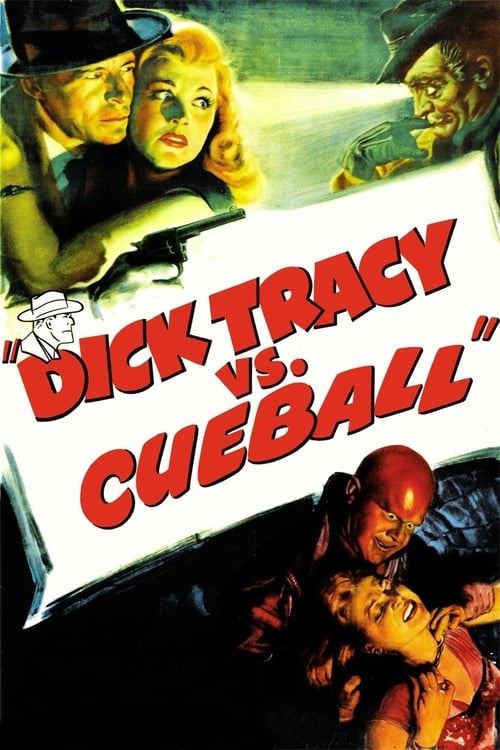
Dick Tracy vs. Cueball
1946
No user ratings available yet
Representation score: 1.5 out of 10
Representation Score
Minimal
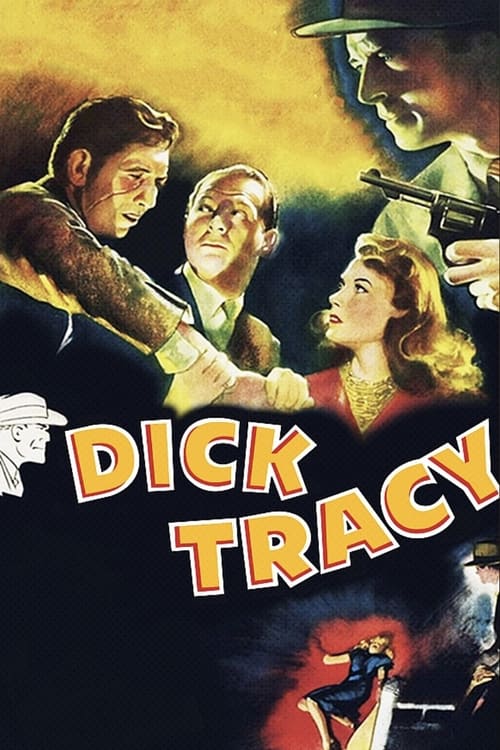
1945
ApprovedDirector
William Berke
Runtime
61 minutes
Average Rating
No ratings yetNew Showbiz Analysis
Dick Tracy (1945) is a classic crime procedural film that emphasizes the restoration of social order through a strong male authority figure. The film sticks closely to the genre clichés of its time, focusing on the investigative skills of the protagonist rather than social subversion. The production does not intentionally seek diverse representation. Instead, it upholds Western institutional values, reinforcing a clear moral divide between law enforcement and criminals without challenging established norms. Overall, the film reflects the cinematic norms of the 1940s, highlighting traditional masculine leadership and a homogeneous social structure.
Category Breakdown
The film adheres to the social norms of its era and does not include any representation of LGBTQ+ identities or narratives that question the assumption that everyone is straight.
The story focuses on the male protagonist, Dick Tracy, and his authority. Women do not have roles that challenge traditional hierarchies or show intelligence compared to the male lead.
The film follows the casting practices of the 1940s, featuring a predominantly white cast. There are no characters of color who play a significant role in driving the story or efforts to diversify the cast.
The story supports the legitimacy of law enforcement and the established social order. It presents a clear moral distinction between officers and criminals without questioning institutional norms.
There are no specific details about the portrayal of physical or neurodivergent disabilities in the film.
Present on Screen
Limited or Absent
Official Synopsis
Dick is faced with a series of brutal murders in which the victims, all from different social and economic backgrounds, are viciously slashed to pieces. Suspects abound but Tracy, getting a clue that there will be 15 murders in all, must find the common thread among the victims before more are killed.
1946
1945

1938
1945
1945
1946
1944
1951
No reviews yet. Be the first to share your thoughts on this movie!
Use the rating form above to leave a star rating and optional review.