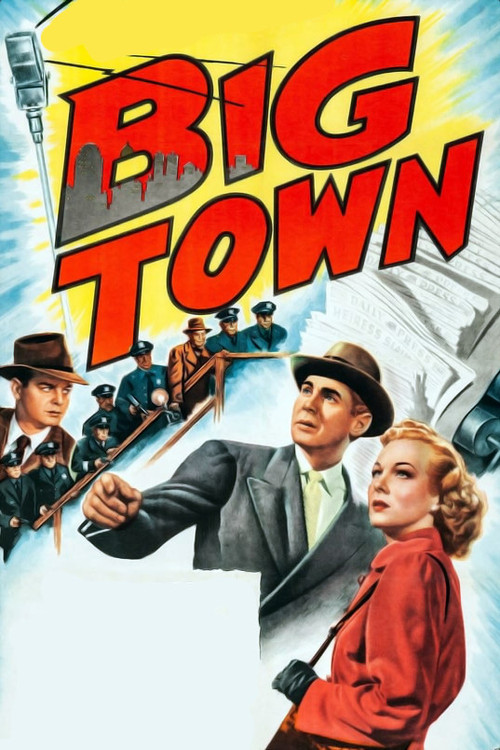
Big Town
1946
No user ratings available yet
Representation score: 2.6 out of 10
Representation Score
Limited
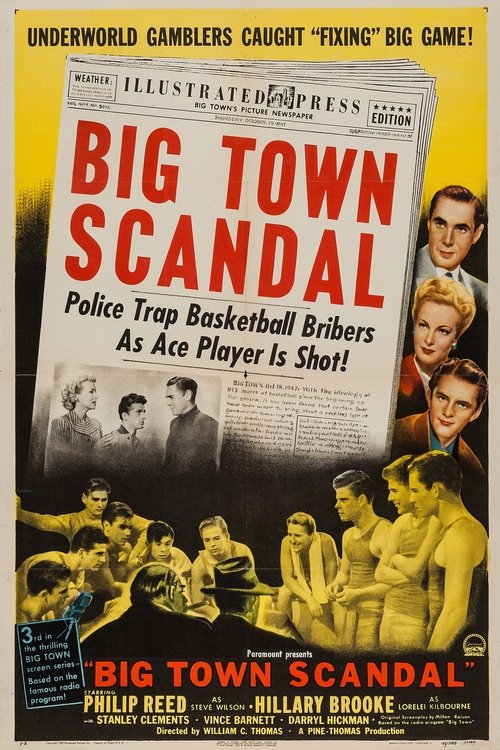
1948
NRDirector
William C. Thomas
Runtime
60 minutes
Average Rating
No ratings yetNew Showbiz Analysis
Big Town Scandal operates as a conventional mid-century crime procedural. The narrative follows a restorative justice model where protagonists act as protectors of the social order against criminal elements. It prioritizes established moral frameworks over systemic social critique. The film lacks complexity in reflecting multiple aspects of identity, focusing instead on the traditional clichés of post-war noir. While it addresses the exploitation of youth, it does so through a lens that reinforces existing social hierarchies and institutional authority.
Category Breakdown
The film does not include any characters with non-traditional gender identities or same-sex relationships. It seems to follow the straight and cisgender norms typical of 1948 cinema.
A star reporter provides a potential for professional advancement, but the narrative may still lean towards traditional gender roles. Male characters seem to drive the central investigative plot.
While the focus on underprivileged youths suggests potential for diverse representation, roles in this era often relied on specific archetypes. There is no evidence of a non-Anglo-Saxon majority cast.
The story uses a classic good versus evil framework centered on institutional authority. It reinforces civic institutions and journalistic integrity rather than offering a critical perspective.
There is no information available regarding the depiction of physical or neurodivergent characters in this production.
Present on Screen
Limited or Absent
Official Synopsis
A crusading editor and his star reporter aid underprivileged youths and crack down on racketeers out to fix basketball.
1946
1939
1947

1951
1952

1939

1952

1958
No reviews yet. Be the first to share your thoughts on this movie!
Use the rating form above to leave a star rating and optional review.