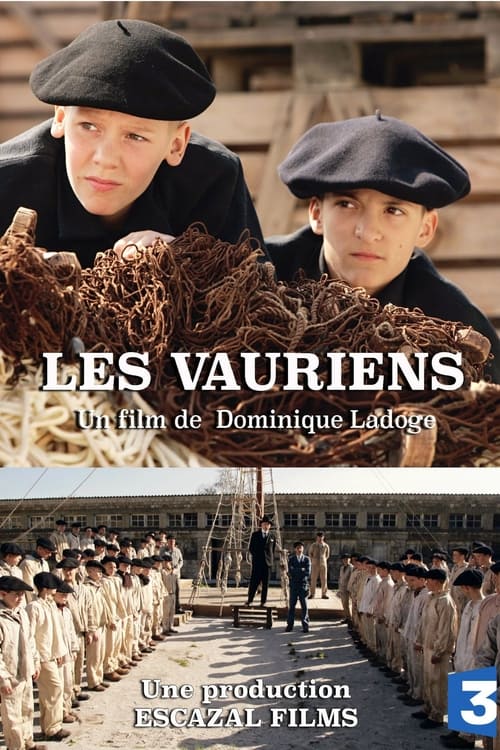
Rascals
2006
No user ratings available yet
Representation score: 6.4 out of 10
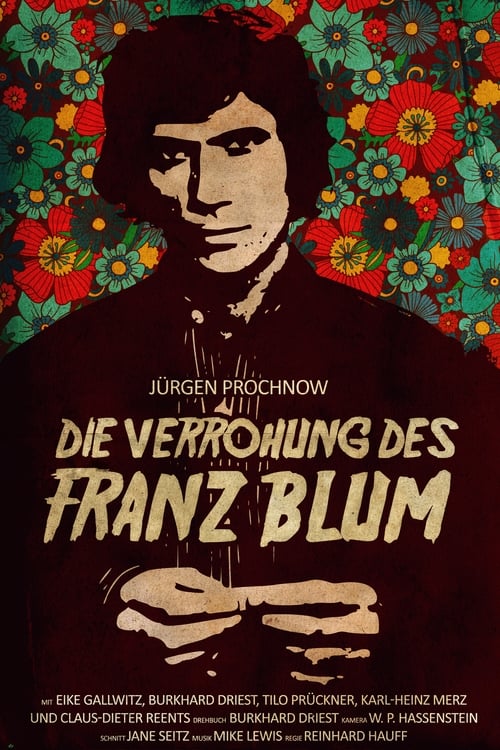
Representation Score
Good
1974
Director
Reinhard Hauff
Runtime
104 minutes
Average Rating
No ratings yetNew Showbiz Analysis
The film stands out for its cultural critique, using the protagonist's journey to question the morality of state-sanctioned institutions. By presenting the prison system as a source of dehumanization, it challenges traditional social hierarchies and authority. However, the production is limited by the era's demographic norms, lacking visible LGBTQ+ representation, minimal racial and ethnic diversity, and no specific portrayal of disabilities.
Category Breakdown
The film does not include any explicit LGBTQ+ characters or non-cisgender identities. The story focuses on the protagonist's journey from a carefree youth to a hardened insurgent after being incarcerated.
The story revolves around a male protagonist's struggle against a patriarchal state. It may challenge traditional masculinity by showing his transformation from a carefree youth to a hardened insurgent.
Reflecting the demographic uniformity of 1974 West Germany, the film emphasizes class dynamics rather than racial or ethnic diversity. No diverse ethnic groups are mentioned.
The film strongly critiques Western institutional authority, portraying legal and penal systems as corrupt and oppressive. It highlights individual rebellion against dehumanizing state structures.
There is no specific portrayal of physical or neurodivergent disabilities. The title suggests potential psychological trauma due to systemic abuse and brutalization.
Present on Screen
Limited or Absent
Official Synopsis
Born into a well-off family, Franz Blum had led a carefree youth until, some time after graduating from high school, he was arrested by the police. For, involved by a gang of bad boys, the young man had taken part in a bank robbery. A "heroic deed" which earned him six years in prison. Once behind bars, he was treated with ruthless inhumanity by the guards. And little by little - but inexorably - Franz turned into an insurgent...
2006

1979

1975
1980
1970
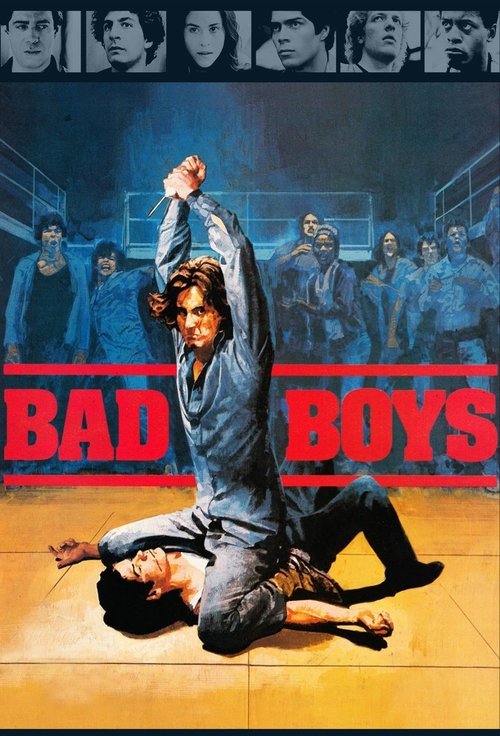
1983
1966
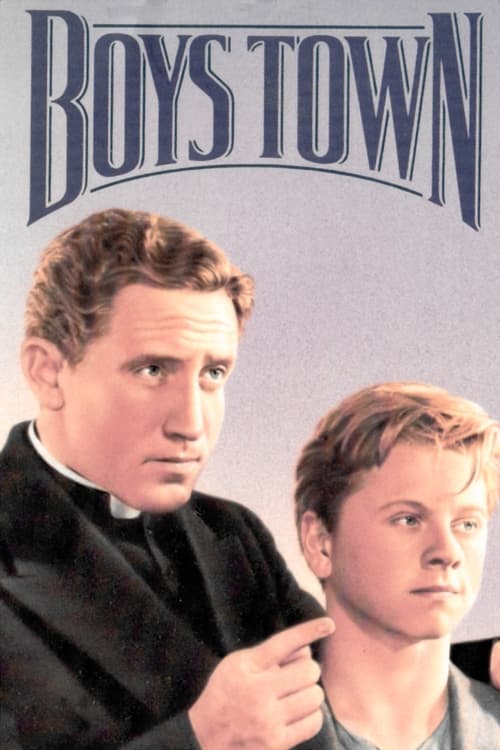
1938
No reviews yet. Be the first to share your thoughts on this movie!
Use the rating form above to leave a star rating and optional review.