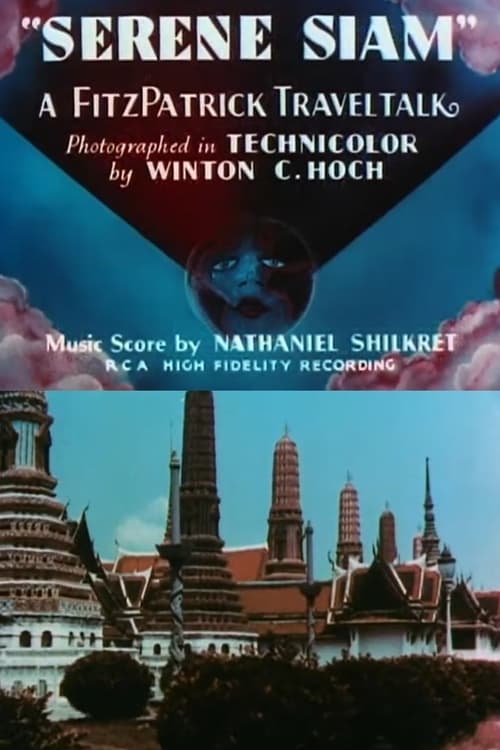
Serene Siam
1937
No user ratings available yet
Representation score: 3.1 out of 10
No Poster Available
Representation Score
Minimal
1952
ApprovedRuntime
8 minutes
Average Rating
No ratings yetNew Showbiz Analysis
Seeing Ceylon functions as a historical document, providing a visual survey of the island's geography and botanical industries. The narrative structure emphasizes landmarks like Colombo and Kandy over personal or social stories. The film's perspective is shaped by a traditional travelogue style that views the country through an external lens. This approach highlights scenery and colonial-era interests rather than the lived experiences of the local population. Ultimately, the documentary lacks the depth needed to address issues of identity or social hierarchies. It remains a record of landscape and industry rather than a study of diverse human representation.
Category Breakdown
The film does not include any characters or identities related to LGBTQ+ or non-cisgender communities. Given its focus on landscapes, it does not explore themes of sexual or gender identity.
The documentary centers on scenery, industry, and landmarks. It does not depict non-traditional gender roles or challenge patriarchal structures.
Set in a non-Western location, the film presents the local population mainly as part of the landscape or industry. The local people lack significant control over their own stories.
The film highlights local traditions such as the Temple of the Tooth. However, it prioritizes tourist attractions and resorts over deeper cultural or social critiques.
There is no mention or depiction of individuals with physical or neurodivergent disabilities in the documentary.
Present on Screen
Limited or Absent
Official Synopsis
In this travelogue of Ceylon, the first stop is Colombo, the capital and chief seaport of this island nation. A short train ride from Colombo is Mount Lavinia, one of the country's most popular pleasure resorts. The next stop is the Peradeniya Gardens, the highlight of which is a magnificent avenue of majestic royal palms. Another botanical item of interest in Ceylon is the manufacture of rubber and the abundance of rubber trees in cultivation. The final stop is the city of Kandy, the primary attraction of which is the Temple of the Tooth.
1937

1927
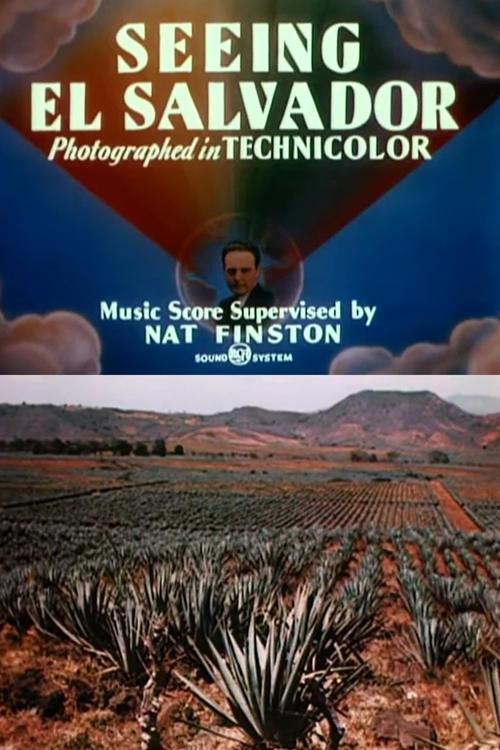
1945
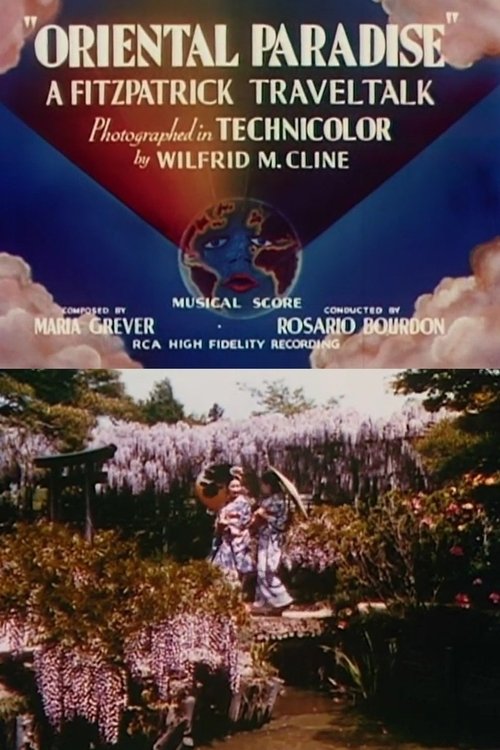
1937
1952
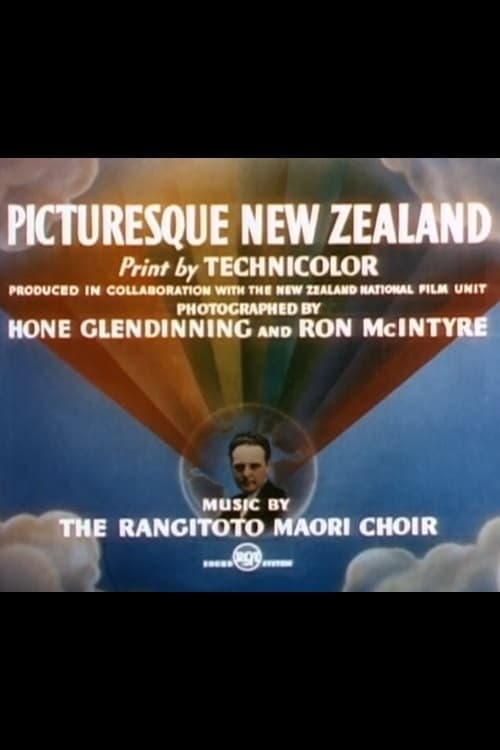
1952
1950
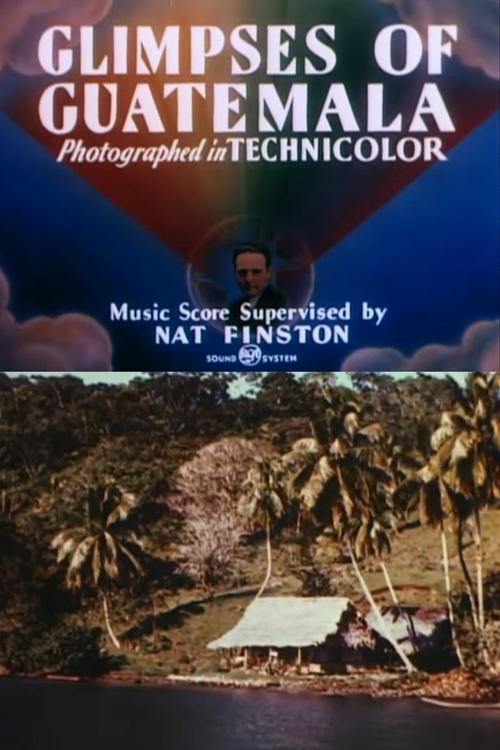
1946
No reviews yet. Be the first to share your thoughts on this movie!
Use the rating form above to leave a star rating and optional review.