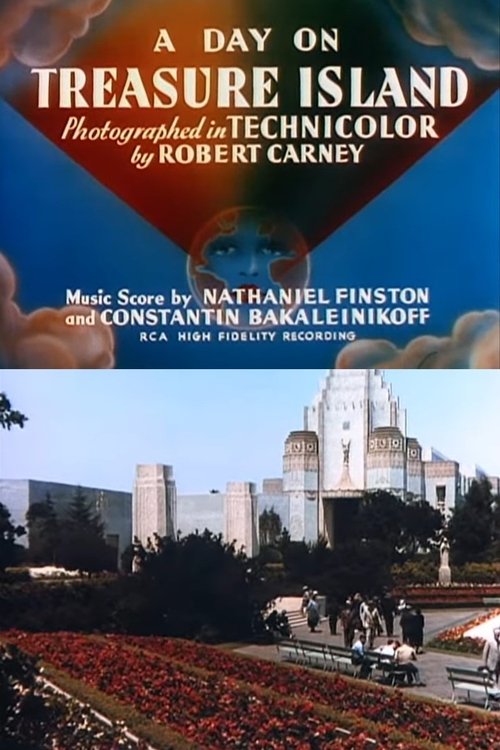
A Day on Treasure Island
1939
No user ratings available yet
Diversity score: 2.4 out of 10
1948
ApprovedRuntime
9 minutes
Average Rating
No ratings yetSynopsis
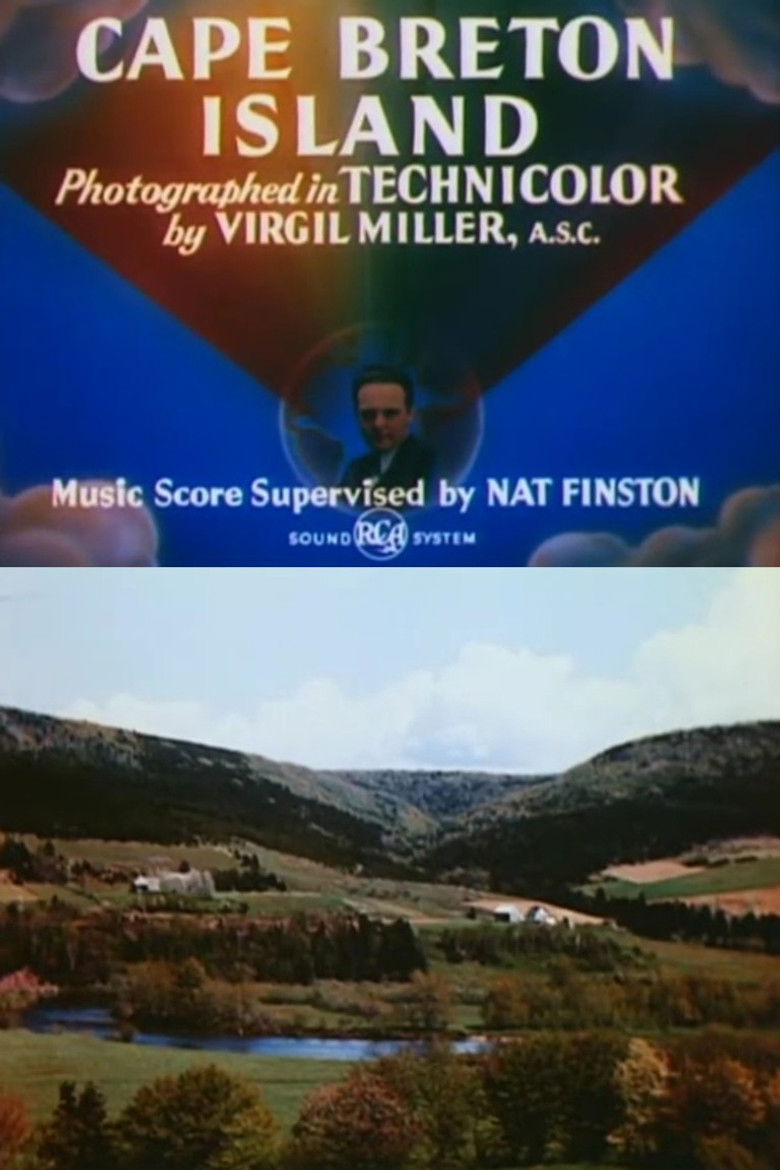
This Traveltalk series entry visits the easternmost area of the province of Nova Scotia, Canada. We learn that although the island was originally settled by the French, most of the island's inhabitants are of Scottish descent. We are also told that the main industries of the island are agriculture, fishing, and mining. After a look at Bras d'Or Lake, we visit the village of Baddeck. Near there is the grave of Alexander Graham Bell, the inventor of the telephone. The last stop is the industrial city of Sydney, home of steel plants, foundries, and coal mines.
Overall Score
Minimal
Category Breakdown
LGBTQ+ Representation
The film contains no depictions of LGBTQ+ identities. The documentary focuses strictly on industrial and geographic surveying, offering no non-heteronormative narratives.
Gender Representation
Narratives center on male-dominated industries like mining and steel production. While women may appear in domestic or agricultural backgrounds, they lack central agency.
Racial & Ethnic Diversity
The film notes a transition from French to Scottish settlement. However, the presentation remains focused on a largely homogeneous, Eurocentric demographic.
Religious & Cultural Diversity
The documentary celebrates Western industrial values and regional productivity. It reinforces established socio-economic frameworks rather than exploring diverse cultural or secular perspectives.
Disability Representation
There is no representation of individuals with physical or neurodivergent disabilities. The focus remains on the able-bodied workforce driving the local economy.
Strengths
Areas for Improvement
AI Analysis
This 1948 documentary serves as a traditionalist survey of Nova Scotia's industrial and historical landscape. It prioritizes economic pillars like mining, fishing, and agriculture, which results in a narrow social scope. The film reflects the era's constraints, focusing on a homogeneous population and male-centric industrial labor. While it acknowledges colonial ethnic shifts, it lacks any modern intersectional depth or diverse character representation. Ultimately, the work functions as a record of regional heritage and productivity rather than a study of social diversity.
1939
1944
1943

1927

1944
1952

1943

1944
1938
1942
1937
1939
No reviews yet. Be the first to share your thoughts on this movie!
Use the rating form above to leave a star rating and optional review.