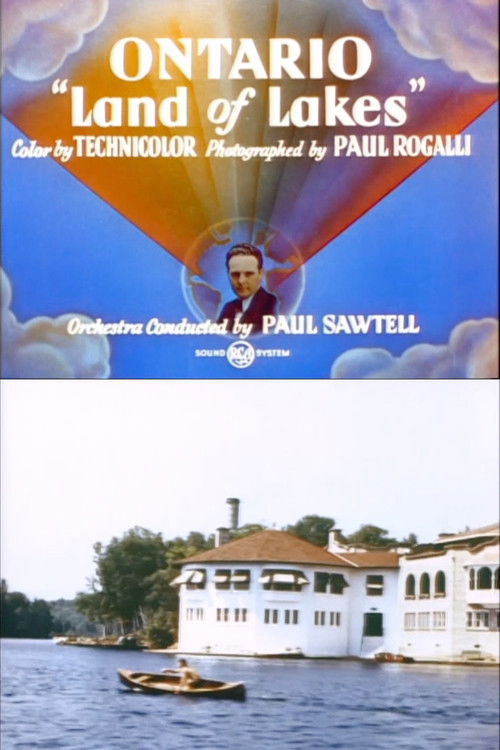
Ontario: 'Land of Lakes'
1949
No user ratings available yet
No diversity score available
1942
ApprovedRuntime
9 minutes
Average Rating
No ratings yetSynopsis
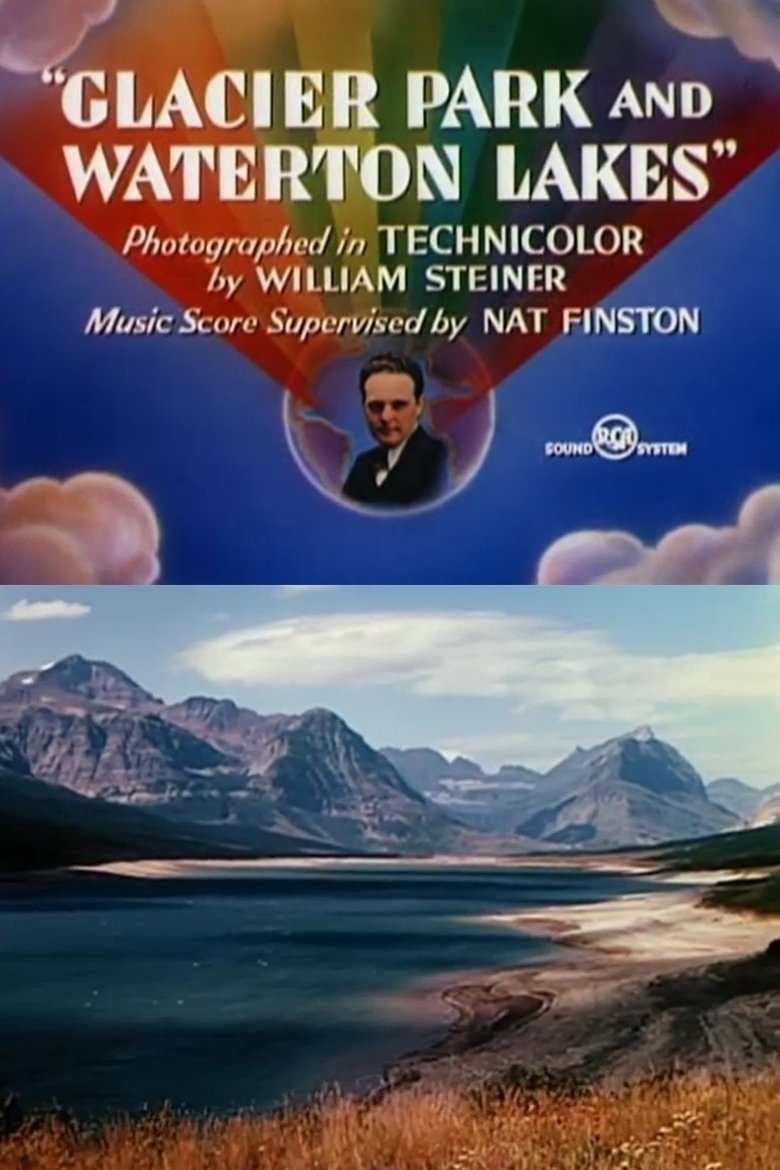
We begin at the train station near Montana's Glacier National Park, where Blackfeet Indians meet the arriving tourists. Glacier Park, an off-screen narrator tells us, has the remnants of 60 glaciers, from three ice ages. We visit the lodge, built in Swiss style, where college students dressed in Swiss garb do the serving at the restaurant. We watch Indian dancing and a ceremony. After views of lakes, mountains, and trails in the park, it's north to Canada's Waterton Lakes, a vacation spot for Canadian and U.S. families.
Overall Score
Limited
Category Breakdown
LGBTQ+ Representation
The film contains no discernible depiction of LGBTQ+ identities or non-cisnormative gender expressions. The social framework remains strictly aligned with the traditional domestic norms of 1942.
Gender Representation
Representation follows the era's social hierarchies, particularly within the hospitality industry. College students in the Swiss-style lodge perform service roles that reflect traditional gendered labor divisions of the period.
Racial & Ethnic Diversity
The Blackfeet Nation is featured through scenes of arrival and ceremonial dancing. However, these individuals are presented primarily as a cultural attraction for tourists rather than central narrative figures.
Religious & Cultural Diversity
The film promotes Western leisure and the sanctity of the national park system. It reinforces traditional institutional structures, such as organized tourism and the stability of Western social order.
Disability Representation
There is no visible or documented focus on individuals with disabilities within the film's narrative.
Strengths
Areas for Improvement
AI Analysis
This 1942 documentary functions as a travelogue that prioritizes the aesthetic experience of the landscape and the burgeoning tourism industry. While it provides visibility to the Blackfeet Nation, the framing tends to exoticize indigenous customs for the benefit of the visiting audience. The film maintains the social and cultural paradigms of its time, emphasizing organized family vacations and Western socioeconomic prosperity. It lacks any subversion of gender hierarchies or critiques of the institutional structures it celebrates. Ultimately, the work serves as a traditionalist document of mid-century North American life, focusing on the intersection of natural beauty and the spectacle of cultural exchange through a Western lens.
1949
1940
1952
1944
1953

1944
1937
1957
1949
1943
2007
1952
No reviews yet. Be the first to share your thoughts on this movie!
Use the rating form above to leave a star rating and optional review.