Seeing Ceylon
1952
No user ratings available yet
Representation score: 0.9 out of 10
Representation Score
Minimal
1945
ApprovedRuntime
9 minutes
Average Rating
No ratings yetNew Showbiz Analysis
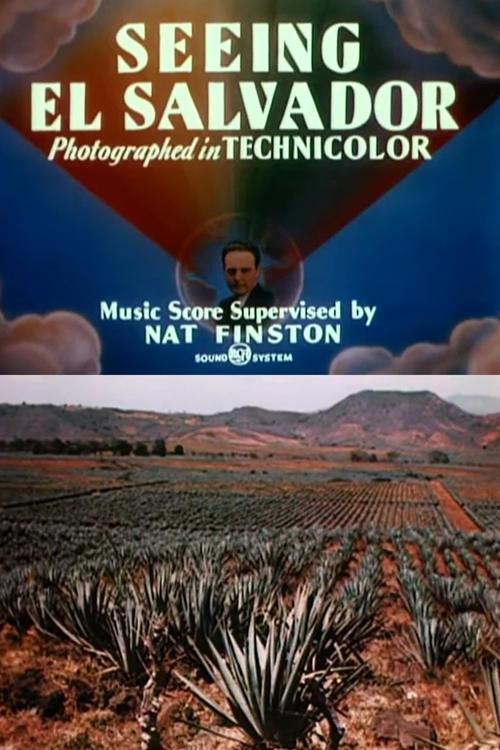
This 1945 Traveltalk short focuses on documenting geography and industry. It prioritizes the volcanic landscapes and agricultural products like coffee and henequen over personal stories. The film presents a colonialist perspective typical of its time. While it offers visual records of El Salvador, it lacks character development, treating the local population as parts of an industrial machine rather than independent individuals. Overall, the documentary serves as an observational tool, emphasizing Western-centric architectural history and global trade utility. It does not delve into the complexities of diverse social representation.
Category Breakdown
The film does not depict any non-straight relationships or identities. There are no queer narratives or challenges to the assumption that everyone is straight or cisgender.
Women play a minor role in the story and are often seen as part of the background in agricultural settings, reflecting a narrow focus on male-dominated work.
The local population is shown working and living in their environment. However, they are often treated as part of the scenery rather than as individuals with their own autonomy.
The film highlights Spanish architectural influences, emphasizing a Eurocentric historical narrative. It views local culture mainly through the lens of commodity production.
There is no depiction of individuals with visible or invisible disabilities in this documentary.
Present on Screen
Limited or Absent
Official Synopsis
This Traveltalk series short starts in San Salvador, El Salvador's capital, emphasizing the Spanish architectural heritage. We then go to the Izalco Volcano, which was created in 1770 by an eruption of the Santa Ana Volcano. The focus then shifts to the country's agriculture. The two main products are coffee and henequen, a plant with tough, fibrous leaves used to make rope, baskets, and other products.
1952
1946
1947
1935
1946
1937
1945
1943
No reviews yet. Be the first to share your thoughts on this movie!
Use the rating form above to leave a star rating and optional review.