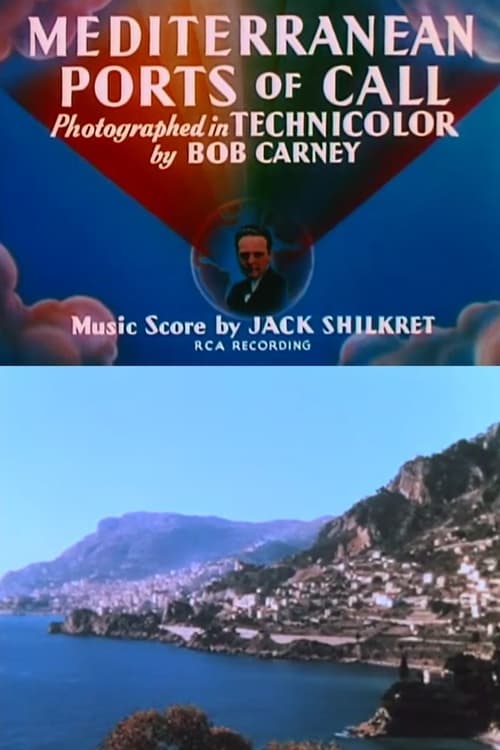
Mediterranean Ports of Call
1941
No user ratings available yet
Representation score: 1.1 out of 10
Representation Score
Minimal
1951
PassedRuntime
8 minutes
Average Rating
No ratings yetNew Showbiz Analysis
This 1951 documentary serves as a historical record of mid-century ethnographic filmmaking. It primarily functions as a visual survey of North African geography and architecture for a Western audience. The representation is defined by the era's colonial perspective. While it offers visibility to Moroccan and Algerian populations, these subjects lack ability to act and are treated as observational curiosities rather than self-determined individuals. Ultimately, the film lacks intentionality regarding the complexity of identity. It reinforces traditional hierarchies and the standard of Western spectatorship common to the period.
Category Breakdown
The film does not include any LGBTQ+ characters or narratives. It follows the social norms of 1951.
The travelogue format may prioritize male-centric viewpoints. Female subjects appear mainly through traditional roles and exoticism.
North African populations are visible but viewed through a colonial perspective. They are presented as objects of interest rather than complex individuals.
The film reinforces Western spectatorship of the 'other.' It presents a traditional view of exploration without challenging Western institutions.
There is no documented inclusion of individuals with disabilities. No such characters are used as plot devices.
Present on Screen
Limited or Absent
Official Synopsis
This FitzPatrick Traveltalk short visits the cities of Casablanca, Rabat, and Marrakesh in Morocco, as well as the city of Algiers in Algeria.
1941
1938
1951
1953
1951
1952
1951
1949
No reviews yet. Be the first to share your thoughts on this movie!
Use the rating form above to leave a star rating and optional review.