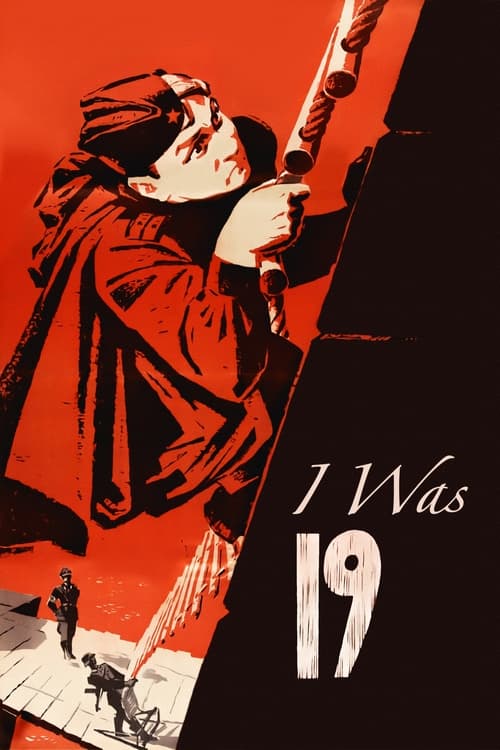
I Was Nineteen
1968
No user ratings available yet
Representation score: 2.9 out of 10
Representation Score
Good
1979
RDirector
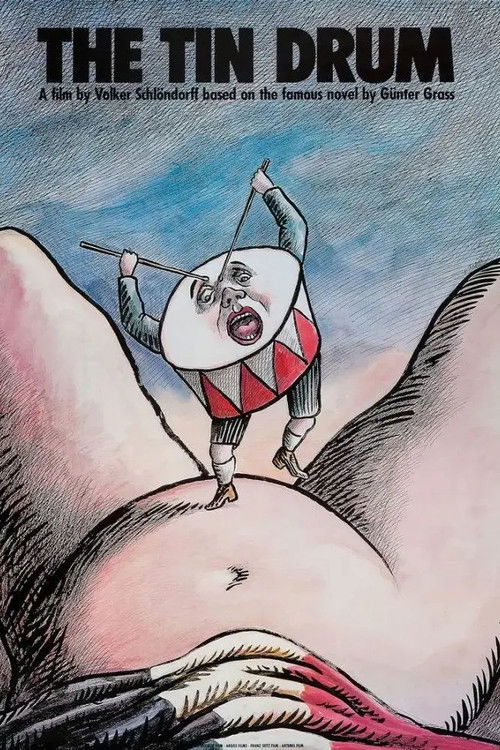
Volker Schlöndorff
Runtime
162 minutes
Average Rating
No ratings yetNew Showbiz Analysis
Schlöndorff’s work excels at dismantling historical myths and examining the psychological fractures of post-war identity. By utilizing magical realism and a non-linear perspective, the film replaces official histories with a multi-vocal exploration of systemic corruption. The film's strength lies in its refusal to provide easy answers or idealized archetypes. It uses the protagonist's unique physical condition to critique the social contract rather than seeking pity. However, the film remains limited by its period setting, which results in a lack of explicit LGBTQ+ representation and a focus that avoids modern empowerment clichés.
Category Breakdown
The film focuses on the political realities of the Danzig region and does not include prominent LGBTQ+ characters or narratives that explicitly critique the assumption that everyone is straight or cisgender.
The film presents a fractured, unsettling domesticity that disrupts traditional hierarchies. Motherhood is portrayed through complex, psychologically fraught relationships rather than stable matriarchal clichés.
The narrative depicts the shifting ethnic landscape of Danzig, including German, Polish, and Jewish identities. It highlights systemic displacement and the precariousness of ethnic identity.
The story critiques traditional Western institutions and bourgeois social structures. It deconstructs German nationalistic myths through a subjective, non-linear perspective.
Oskar’s stunted growth and neurodivergence serve as central plot drivers. His physical state is used as a tool for ability to act and a metaphor for social protest.
Present on Screen
Limited or Absent
Official Synopsis
In 1924, Oskar Matzerath is born in the Free City of Danzig. At age three, he falls down a flight of stairs and stops growing. In 1939, World War II breaks out.
1968
1959

1990
1995
2004

2019
1997
2008
No reviews yet. Be the first to share your thoughts on this movie!
Use the rating form above to leave a star rating and optional review.