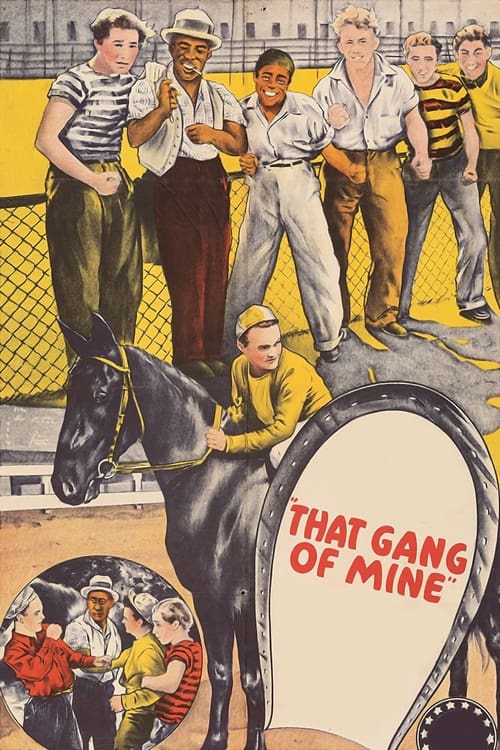
That Gang of Mine
1940
No user ratings available yet
Representation score: 2.5 out of 10
Representation Score
Minimal
1927
PassedDirector
B. Reeves Eason, Archie Mayo
Runtime
70 minutes
Average Rating
No ratings yetNew Showbiz Analysis
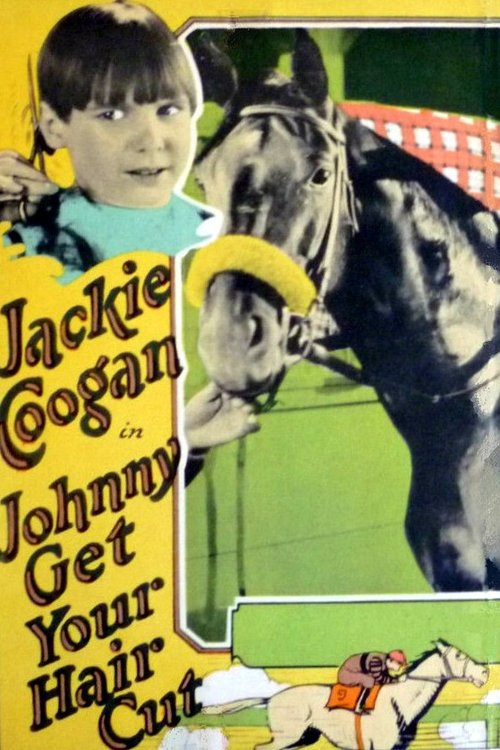
Johnny Get Your Hair Cut is a conventional silent-era melodrama that relies on established clichés of individual perseverance. The narrative structure focuses on a linear, merit-based story of personal achievement through a benefactor-protégé relationship. The film aligns with the traditional cinematic standards of the late 1920s. It does not engage with identity politics or systemic critiques, opting instead for a straightforward story of mentorship and racing.
Category Breakdown
The film does not include any characters with non-binary gender identities. It adheres to the traditional storytelling style of the 1920s without questioning the assumption that everyone is straight or cisgender.
The story revolves around a male-centric dynamic between an orphan and a racehorse owner. It seems to follow the standard gender roles of the time period.
The story likely centers on a predominantly white, Anglo-Saxon demographic. There is no indication of a diverse cast or non-Anglo-Saxon majority.
The plot emphasizes traditional Western values such as charity and individual success. It celebrates traditional moral victories without challenging societal institutions.
While the protagonist faces socioeconomic challenges as an orphan, there is no specific mention of physical or neurodivergent disabilities.
Present on Screen
Limited or Absent
Official Synopsis
An orphan is adopted by a kindly old racehorse owner. He decides to pay back his benefactor by training to ride the horse so he can win an important race.
1940
1945
1935
1937
1934
1936
1921
1918
No reviews yet. Be the first to share your thoughts on this movie!
Use the rating form above to leave a star rating and optional review.