Princess O'Hara
1935
No user ratings available yet
Representation score: 1.8 out of 10
Representation Score
Minimal
1937
NRDirector
Alfred E. Green
Runtime
80 minutes
Average Rating
No ratings yetNew Showbiz Analysis
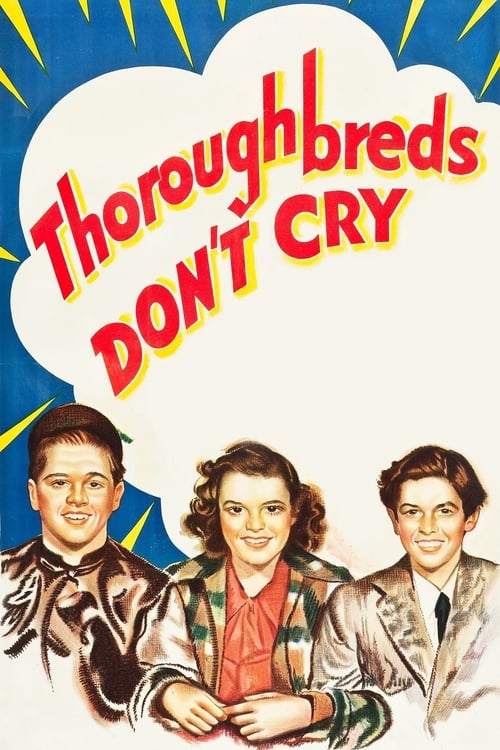
Thoroughbreds Don't Cry adheres to the conventional social hierarchies of the 1930s studio era. While it highlights the professional importance of the female lead through her vocal talents, the core competitive action remains centered on male characters. The film portrays a homogeneous social structure, focusing on Anglo-Saxon archetypes like the English gentleman and local jockeys. This lack of racial or cultural diversity reflects the era's typical narrative constraints. Ultimately, the film offers minimal disruption to the traditional orders of gender, race, and class, functioning as a standard genre piece of the period.
Category Breakdown
The film does not include any characters with LGBTQ+ identities or non-straight relationships. The plot revolves around the conventional romance and career paths of the female protagonist and the male lead.
Cricket West has professional ability to act as a performer. However, the story emphasizes male dominance in the competitive sporting world, reinforcing traditional gender roles.
The story focuses on an English gentleman and local jockeys, indicating a predominantly white, Anglo-Saxon cast. There are no characters of color with significant roles.
The film operates within traditional Western social structures and class hierarchies. It celebrates individual achievement and status without challenging established societal norms.
No characters are shown to have specific physical or neurodivergent traits. The narrative does not depict any disabilities, visible or invisible.
Present on Screen
Limited or Absent
Official Synopsis
Cricket West is a hopeful actress with a plan and a pair of vocal chords that bring down the house. Along with her eccentric aunt, she plays host to the local jockeys, whose leader is the cocky but highly skilled Timmie Donovan. A young English gentleman comes to town convincing Donovan to ride his horse in a high stakes race.
1935
1937
1940
1927
1934

1937
1931
1935
No reviews yet. Be the first to share your thoughts on this movie!
Use the rating form above to leave a star rating and optional review.