
The Show Off
1926
No user ratings available yet
Representation score: 1.8 out of 10
Representation Score
Minimal
1934
GDirector
Frank Capra
Runtime
104 minutes
Average Rating
No ratings yetNew Showbiz Analysis
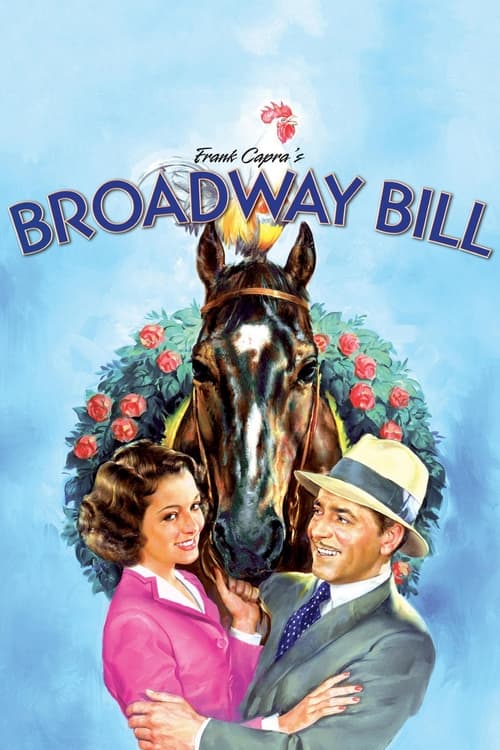
Broadway Bill is a typical product of its time, focusing on a traditional character study of individual morality. The narrative emphasizes masculine competition and the struggle of the individual against systemic corruption. While the film explores themes of honor and greed, it does so through a conventional lens that reinforces the social status quo. It lacks diverse representation, focusing instead on the personal integrity of its male leads. Ultimately, the film serves as a period piece that reflects the homogeneous demographic and social norms of 1930s American cinema.
Category Breakdown
The film does not include any LGBTQ+ characters or non-cisgender identities. It follows the traditional heterosexual norms of the 1930s.
Male characters play central roles and compete with each other. Female characters like Alice mainly support the male characters and stay within traditional gender roles.
The cast is mostly white and Anglo-Saxon, reflecting the homogeneity of the 1930s American racing scene. There is no evidence of diverse casting.
The story criticizes gambling corruption using a traditional moral viewpoint. It upholds individual integrity as a virtue against vice.
The film does not feature any characters with visible or invisible disabilities. Characters with disabilities are not used as plot devices or given much influence.
Present on Screen
Limited or Absent
Official Synopsis
Tycoon J.L. Higgins controls his whole family, but one of his sons-in-law, Dan Brooks, and his daughter Alice are fed up with that. Brooks quits his job as manager of J.L.'s paper box factory and devotes his life to his racing horse Broadway Bill, but his bankroll is thin and the luck is against him. He is arrested because of $150 he owes somebody for horse food, but suddenly a planned fraud by somebody else seems to offer him a chance...
1926
1933

1933
1937
1935
1928
1940
1945
No reviews yet. Be the first to share your thoughts on this movie!
Use the rating form above to leave a star rating and optional review.