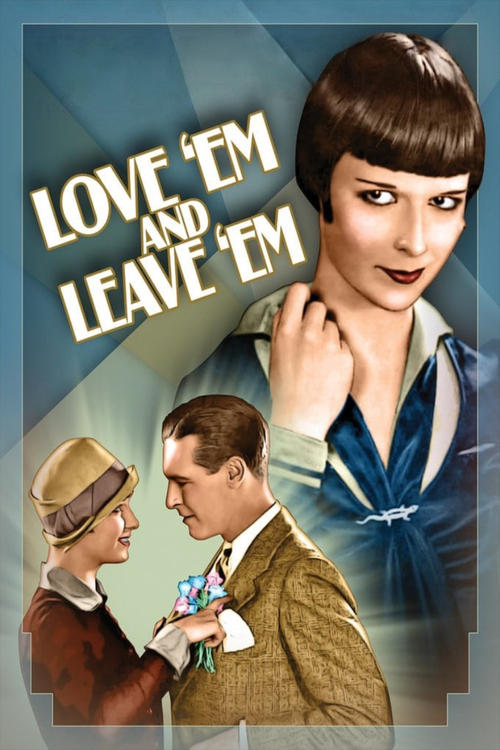
Love 'Em and Leave 'Em
1926
No user ratings available yet
Representation score: 1.0 out of 10
Representation Score
Minimal
1926
PassedDirector
King Baggot
Runtime
70 minutes
Average Rating
No ratings yetNew Showbiz Analysis
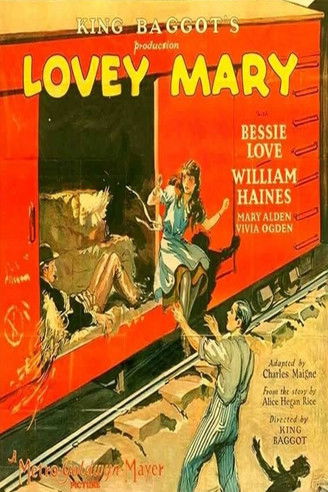
Lovey Mary is a traditional silent-era melodrama that prioritizes themes of familial duty and social instability. The narrative centers on an orphan girl navigating the sudden responsibility of childcare following a relative's incarceration. While the film provides a degree of women's ability to drive the story through its protagonist, it does not seek to challenge the patriarchal or social hierarchies of its time. The story follows the standard dramatic clichés of the 1920s, focusing on domestic resilience rather than diverse representation. Ultimately, the film reflects the homogeneous casting and conventional moral frameworks typical of mainstream cinema during this period, offering little in the way of diverse or non-traditional perspectives.
Category Breakdown
The film does not include any representation of LGBTQ+ identities or non-assuming gender matches what was assigned at birth characters. It focuses solely on traditional family structures.
A female character takes charge of her sister's child, demonstrating a significant role within the domestic sphere. However, her actions remain reactive to family crises rather than proactive.
The film follows the homogeneous casting standards of the 1920s, with no indication of non-white or non-Anglo-Saxon representation.
The story explores social instability through themes of orphanhood and incarceration, adhering to conventional moral frameworks centered on preserving the family unit.
There is no information available regarding the depiction of physical, sensory, or neurodivergent characters in this film.
Present on Screen
Limited or Absent
Official Synopsis
Lovely Mary, an orphan girl, reluctantly takes charge of her sister's child when her sister Kate is jailed.
1926

1921
1921

1920
1936
1929
1918
1925
No reviews yet. Be the first to share your thoughts on this movie!
Use the rating form above to leave a star rating and optional review.