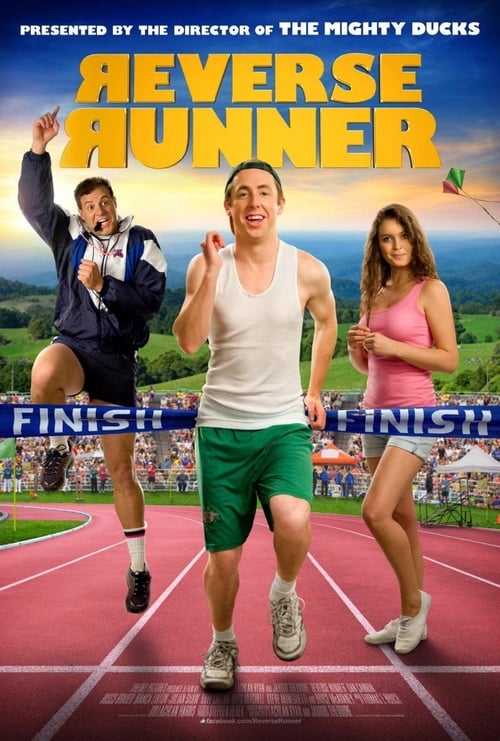
Reverse Runner
2013
No user ratings available yet
Diversity score: 4.2 out of 10

1993
Director
Róbert Koltai
Runtime
86 minutes
Average Rating
No ratings yetSynopsis
In 1960s Hungary, an introverted teenager’s life is turned upside down by a few days in the company of his coat hanger salesman uncle: a roguish charmer with a zest for life and a weakness for horse racing and women.
Overall Score
Fair
Category Breakdown
LGBTQ+ Representation
The film centers on heteronormative social structures and traditional companionship. There is no explicit evidence of non-cisnormative identities or critiques of heteronormativity within the narrative.
Gender Representation
A traditional gender dichotomy exists, featuring a male uncle characterized by charm and the pursuit of women. The film does not overtly dismantle gender hierarchies or center female intellectual agency.
Racial & Ethnic Diversity
The cast reflects the demographic realities of 1960s Hungary, focusing on a largely homogeneous population. There is no evidence of a diverse multi-ethnic cast.
Religious & Cultural Diversity
The narrative offers a nuanced critique of life under a specific political regime. It highlights individualist zest and moral relativism as a form of personal liberation against state-sanctioned rigidity.
Disability Representation
There are no prominent depictions of visible or invisible disabilities that drive the narrative or serve as central character arcs.
Strengths
Areas for Improvement
AI Analysis
We Never Die! functions as a period-specific character study that prioritizes historical atmosphere over demographic breadth. The film captures the friction between individualist rebellion and institutional rigidity in 1960s Hungary. While the film lacks representation for LGBTQ+ identities, racial diversity, or disability, it finds depth in its cultural critique. It uses a roguish protagonist to subtly challenge the era's social constraints. Ultimately, the film operates within the traditional casting and social frameworks of its setting, focusing on interpersonal dynamics rather than modern diversity benchmarks.
2013
2016

1979
2007
1940
2001
1999
2012
1996
2005
1937
2017
No reviews yet. Be the first to share your thoughts on this movie!
Use the rating form above to leave a star rating and optional review.