The Kid Brother
1927
No user ratings available yet
Representation score: 0.4 out of 10
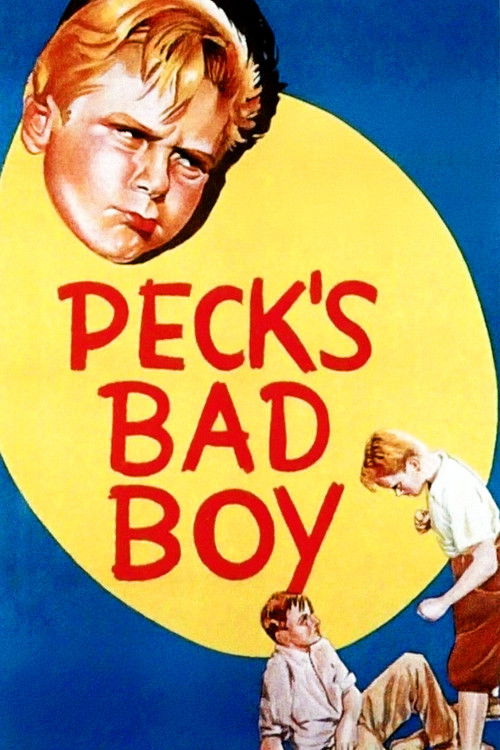
Representation Score
Minimal
1934
ApprovedDirector
Edward F. Cline
Runtime
70 minutes
Average Rating
No ratings yetNew Showbiz Analysis
Peck's Bad Boy is a conventional domestic comedy that reinforces the social norms of the mid-1930s. The film prioritizes slapstick humor and traditional family hierarchies over any meaningful social disruption. The narrative is highly uniform, focusing on a streamlined depiction of a middle-class nuclear family. It does not intentionally represent diverse identities or backgrounds. Ultimately, the film serves as a period piece that upholds established social orders rather than challenging them through any subversive or diverse lens.
Category Breakdown
The film does not depict any non-straight or non-cisgender identities. It focuses solely on heterosexual family structures.
The narrative adheres to traditional early 20th-century gender roles. Women have little influence in the story, and the household stability comes from established parental roles.
The cast reflects the homogeneous society of 1930s America. There are no characters from diverse racial backgrounds.
The story upholds traditional Western values about family and authority. It uses slapstick humor to reinforce the traditional household structure.
There are no visible or invisible disabilities shown in the film. All characters are presented as fully able-bodied.
Present on Screen
Limited or Absent
Official Synopsis
Young boy Bill Peck adores his father and tries to be good, but the arrival of Bill's cousin Horace upsets Bill's plans. Horace's brattish ways result in Bill rather than Horace getting in trouble.
1927
1938
1936
1933
1936
1957
1952
1929
No reviews yet. Be the first to share your thoughts on this movie!
Use the rating form above to leave a star rating and optional review.