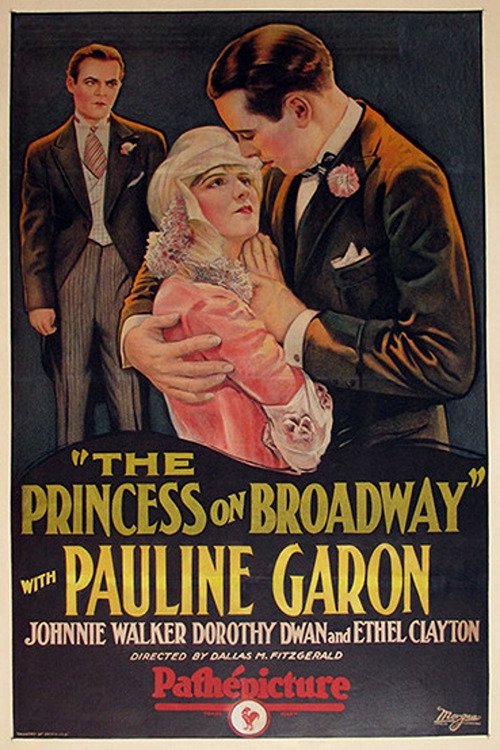
The Princess on Broadway
1927
No user ratings available yet
Diversity score: 2.2 out of 10

1935
ApprovedDirector
David Burton
Runtime
79 minutes
Average Rating
No ratings yetSynopsis
When King's beloved horse dies, Princess tries to purchase a new nag, and that's how she inadvertently gets her hands on a "stolen" race horse. Our heroine nearly ends up with a lengthy prison term before the story is resolved during the climactic Big Race.
Overall Score
Limited
Category Breakdown
LGBTQ+ Representation
The film lacks any evidence of non-cisnormative identities or same-sex narratives. It appears to follow the heteronormative romantic and comedic tropes common to the mid-1930s.
Gender Representation
Princess serves as a central protagonist with agency, driving the plot through her quest for a new horse. However, her autonomy is threatened by legal consequences, adhering to conventional period gender roles.
Racial & Ethnic Diversity
There is no indication of a diverse or non-Anglo-Saxon cast. The film likely reflects the homogeneous casting standards of 1930s Hollywood, focusing on a Western-centric narrative.
Religious & Cultural Diversity
The story operates within a traditional Western framework centered on individual pursuits and social order. It lacks any critique of Western institutions or significant cultural depth.
Disability Representation
The film provides no information regarding the portrayal of physical or neurodivergent characters.
Strengths
Areas for Improvement
AI Analysis
Princess O'Hara is a product of the 1930s studio system, reflecting the era's standard cinematic conventions. While the film centers on a female lead, the narrative structure remains bound by the social and legal hierarchies of its time. The work lacks intersectional complexity, offering little demographic breadth or systemic critique. It functions as a standard period comedy that prioritizes traditional tropes over progressive representation. Ultimately, the film's focus on a singular, Western-centric plot prevents it from engaging with a wider range of human experiences or identities.
1927

1937
1940

1999
1950
1939
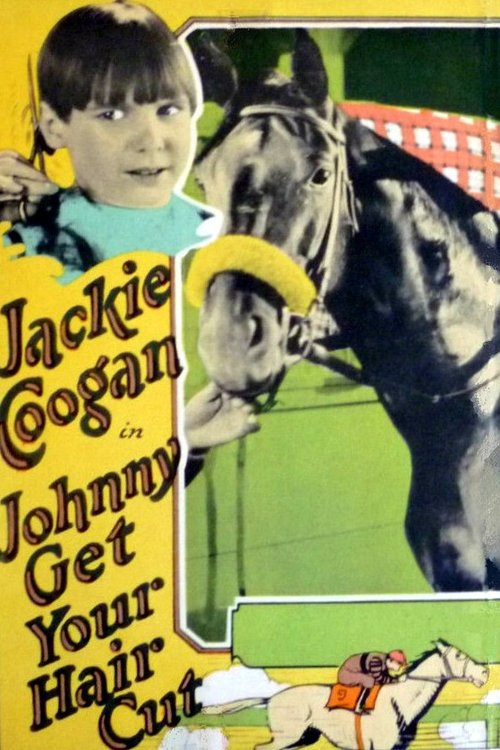
1927
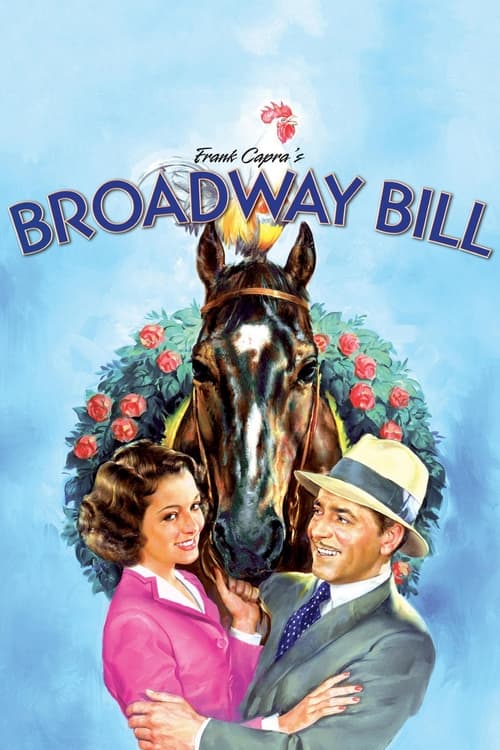
1934
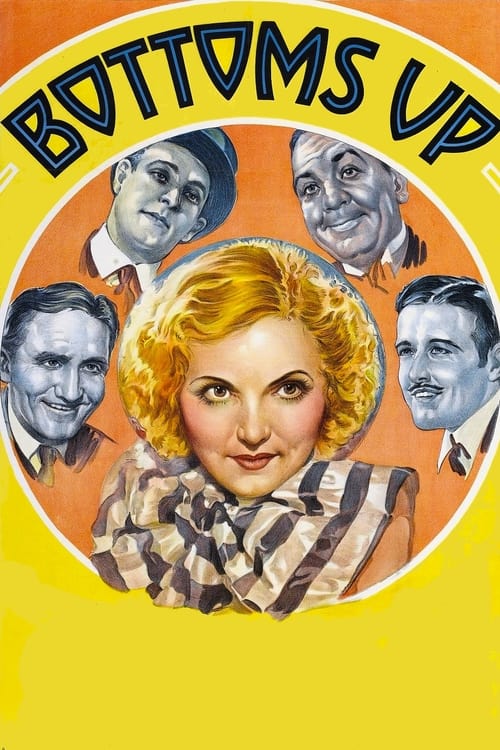
1934
1920
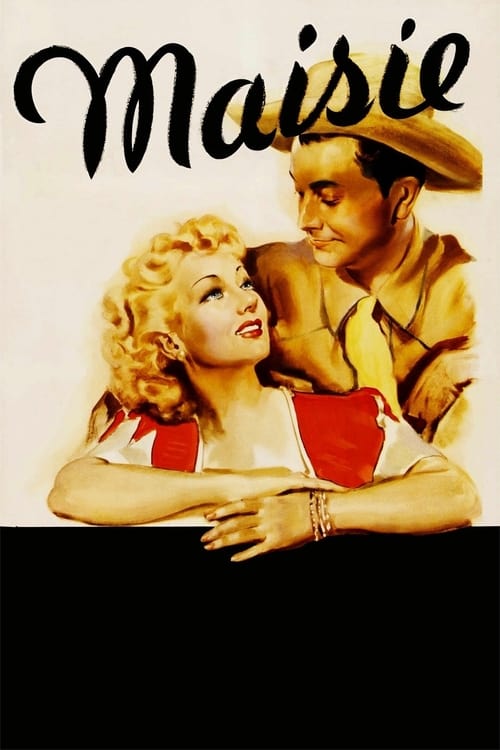
1939
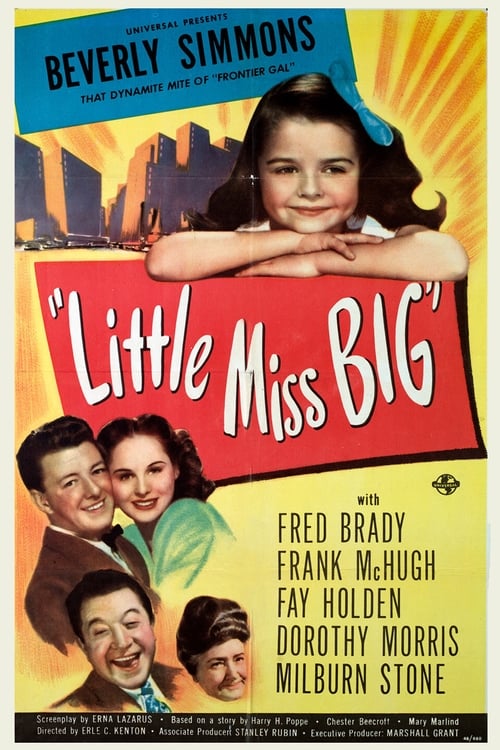
1946
No reviews yet. Be the first to share your thoughts on this movie!
Use the rating form above to leave a star rating and optional review.