
Piripkura
2018
No user ratings available yet
Representation score: 6.2 out of 10
Representation Score
Fair
2019
Director
Alessandro Angulo
Runtime
74 minutes
Average Rating
No ratings yetNew Showbiz Analysis
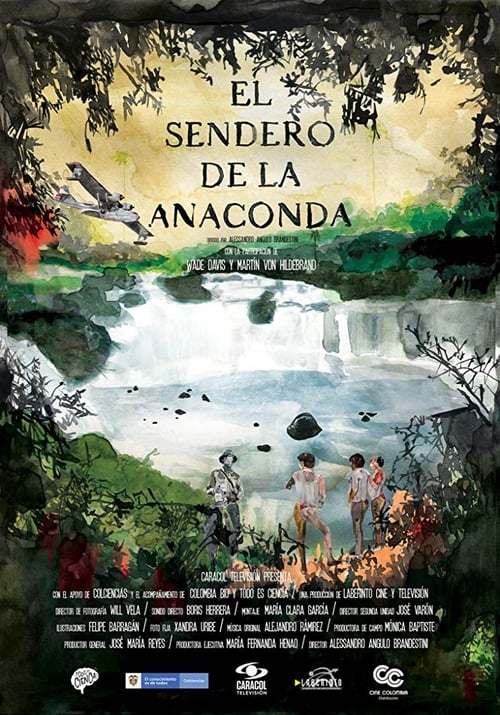
El Sendero de la Anaconda serves as a significant ethnographic study of the tension between traditional societies and modernity. By highlighting the lived experiences of Amazonian communities, the film challenges the conventional 'explorer' cliché that often sidelines indigenous ability to act. The documentary's strength lies in its ability to frame cultural resistance as a sophisticated form of preserving sovereignty rather than mere stagnation. This approach challenges Western-centric storytelling and questions the inevitability of globalized capitalism. However, the film's focus on specific ethnographic subjects leaves significant gaps in representation for other underrepresented groups. Without further visual evidence, the presence of LGBTQ+ or disability-related narratives remains unaddressed.
Category Breakdown
The film does not include any clear evidence of LGBTQ+ characters or themes. The focus on indigenous social structures makes it hard to confirm any specific queer representation.
The documentary examines gender roles through academic studies and indigenous life. It offers potential for nuanced depictions of women in non-Western leadership positions.
The film centers on indigenous Amazonian communities, shifting the focus away from Western characters. It avoids depicting ethnic subjects as passive scenery in the background.
The film critiques Western expansionism and the homogenization of global culture. It portrays traditional lifestyles as sophisticated alternatives to modern, globalized norms.
There is no documented evidence regarding the portrayal of physical or neurodivergent disabilities within the film.
Present on Screen
Limited or Absent
Official Synopsis
In the most remote areas of the Amazon rainforest, a writer and his anthropologist friend find communities that have resisted change for centuries.
2018

2021

2016
2019
2017

2010

2018

1989
No reviews yet. Be the first to share your thoughts on this movie!
Use the rating form above to leave a star rating and optional review.