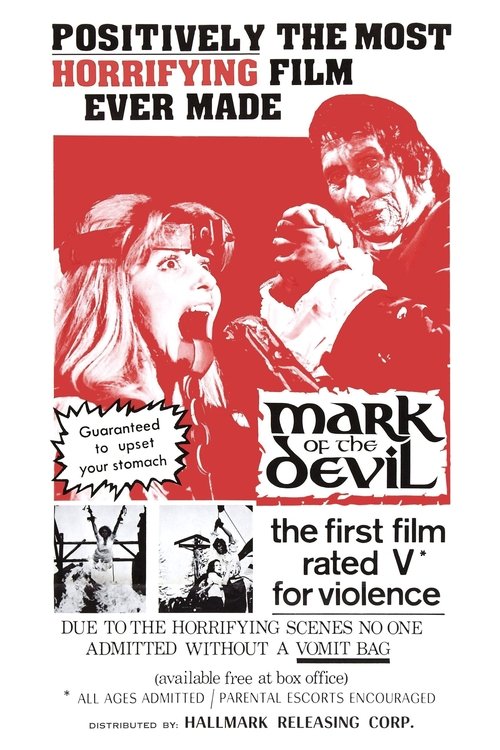
Mark of the Devil
1970
No user ratings available yet
Representation score: 6.1 out of 10
Representation Score
Fair
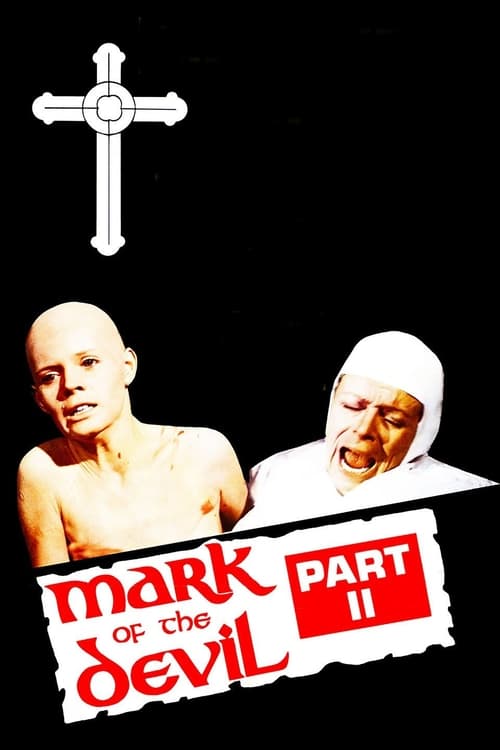
1973
RDirector
Adrian Hoven
Runtime
97 minutes
Average Rating
No ratings yetNew Showbiz Analysis
Mark of the Devil Part II primarily serves as a historical critique of institutionalized violence rather than a vehicle for modern demographic inclusion. The film's strength lies in its thematic subversion of authority, framing the religious and judicial structures of the Inquisition as the central antagonists. However, this focus on systemic corruption comes at the expense of diverse representation. The film lacks meaningful engagement with LGBTQ+, racial, or disability-focused narratives, often utilizing physical suffering as a visceral horror element rather than a nuanced exploration of identity. Ultimately, the work prioritizes the deconstruction of historical order over storytelling that reflects multiple aspects of identity, making it a study of systemic oppression rather than a diverse character study.
Category Breakdown
The film does not explicitly address LGBTQ+ identities or narratives. While the persecution of heretics touches on non-conformity, there is no clear representation of LGBTQ+ characters taking control of their stories.
The narrative focuses on women who are victims of patriarchal and religious institutions during witch hunts. It highlights the male-dominated tribunal as the main source of systemic cruelty and violence.
As a European period piece, the cast appears ethnically homogeneous. There is no evidence of significant non-white representation or race-bent casting within the historical context.
The film provides a strong critique of traditional Western religious and judicial authority. It portrays the Inquisition as a mechanism of oppression rather than a source of virtue.
Physical trauma and bodily harm likely serve as mere plot devices or spectacles of suffering. There is no evidence of neurodivergent or disabled characters having meaningful ability to act.
Present on Screen
Limited or Absent
Official Synopsis
A tribunal interrogates, tortures and murders "witches" and "heretics" during the Inquisition.
1970
1922

1973
1972
1977
1961
2015
1968
No reviews yet. Be the first to share your thoughts on this movie!
Use the rating form above to leave a star rating and optional review.