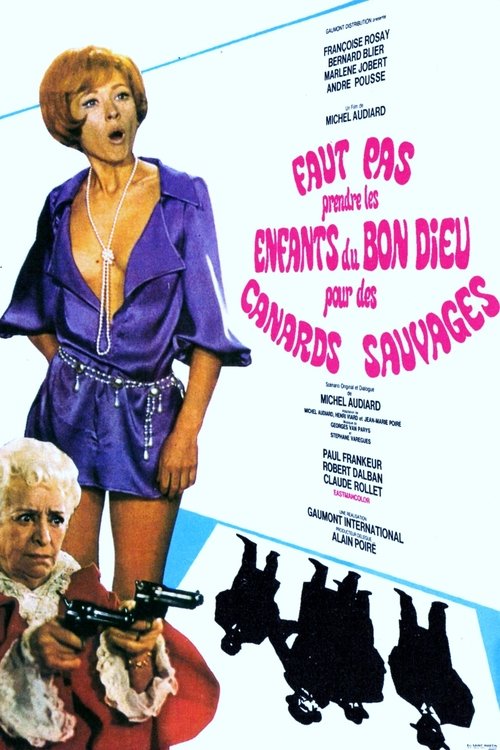
Don't Take God's Children for Wild Geese
1968
No user ratings available yet
Diversity score: 4.7 out of 10
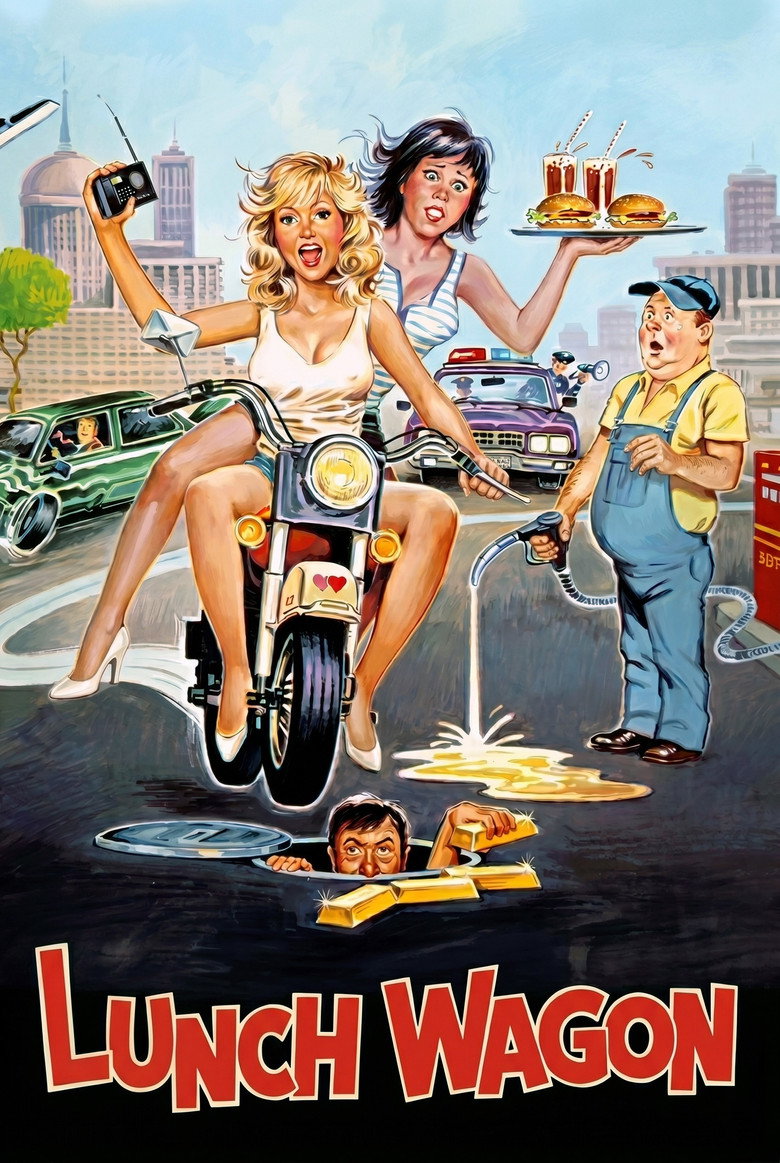
1981
RDirector
Ernest Pintoff
Runtime
88 minutes
Average Rating
No ratings yetSynopsis
Three women start a lunch wagon business but run into stiff resistance from a competitor.
Overall Score
Fair
Category Breakdown
LGBTQ+ Representation
The film lacks explicit evidence of LGBTQ+ characters or non-heteronormative narratives. The focus remains on economic competition rather than identity-based exploration.
Gender Representation
The story disrupts traditional hierarchies by centering three women navigating a competitive business landscape. This shift provides meaningful agency and subverts the norm of women as passive figures.
Racial & Ethnic Diversity
The narrative appears to follow the demographic norms of early 1980s independent comedy. There is no evidence of a diverse or intersectional cast.
Religious & Cultural Diversity
The film critiques established market hierarchies through its depiction of systemic resistance. It explores a decentralized view of economic power via a grassroots, female-led enterprise.
Disability Representation
There is no discernible evidence regarding the portrayal of physical or neurodivergent disabilities in this work.
Strengths
Areas for Improvement
AI Analysis
Lunch Wagon is primarily a study in gendered agency. By placing female entrepreneurship at the center of a crime-comedy, the film challenges conventional expectations of economic autonomy and leadership. While the film succeeds in subverting gender roles, it lacks intersectional complexity. The narrative appears to adhere to the homogeneous social structures typical of its era, offering little in the way of racial or LGBTQ+ representation. Ultimately, the film's strength lies in its focus on female professional agency, even as it remains limited by the demographic norms of 1981 independent cinema.
1968
1989

1989
1985

2018
1976
1991
1982
1971

1966

1937

1958
No reviews yet. Be the first to share your thoughts on this movie!
Use the rating form above to leave a star rating and optional review.