
Blockbuster
2017
No user ratings available yet
Representation score: 2.1 out of 10
Representation Score
Fair
1989
Director
Anatoly Eyramdzhan
Runtime
71 minutes
Average Rating
No ratings yetNew Showbiz Analysis
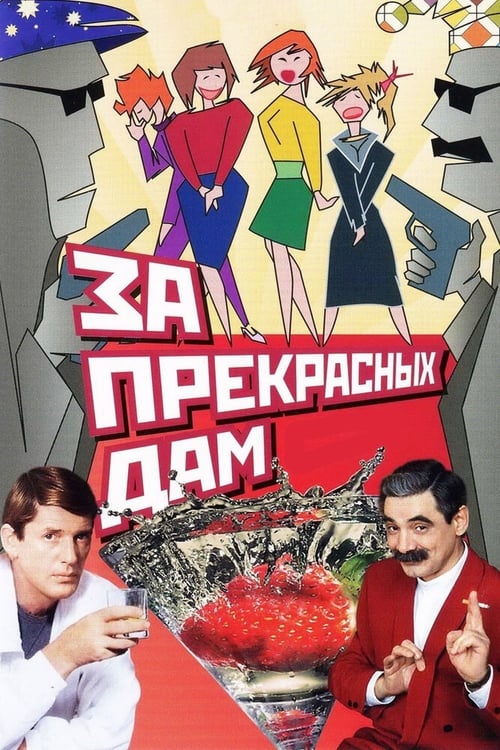
For the Beautiful Ladies! offers a notable departure from patriarchal norms by centering its plot on a group of successful women. This shift provides these characters who play a significant role in driving the story and autonomy, moving them beyond traditional domestic roles. However, the film is limited by the demographic realities of 1989 Soviet cinema. The lack of ethnic diversity and the absence of LGBTQ+ representation suggest a narrative constrained by the era's social homogeneity. Ultimately, the film serves as a transitional work. It disrupts gendered crime clichés while remaining rooted in a specific, localized cultural and social framework.
Category Breakdown
The film does not feature any explicit LGBTQ+ characters or representations. While there are female social circles, there is no specific mention of LGBTQ+ identities.
The narrative centers on successful, independent women, disrupting traditional male-driven crime clichés. By focusing on these women, it shifts the plot away from conventional male-dominated stories.
The cast likely mirrors the demographic homogeneity of the late-Soviet era. There is no indication of significant racial or ethnic diversity among the main characters.
The story examines shifting class dynamics and social instability through a crime targeting successful individuals. It moves away from idealized social cohesion toward more nuanced storytelling.
There is no evidence of characters with physical or neurodivergent disabilities in the film.
Present on Screen
Limited or Absent
Official Synopsis
A group of young successful women is getting robbed in the house of one of them.
2017
1985

2005

1958
2004
1959
1959
1983
No reviews yet. Be the first to share your thoughts on this movie!
Use the rating form above to leave a star rating and optional review.