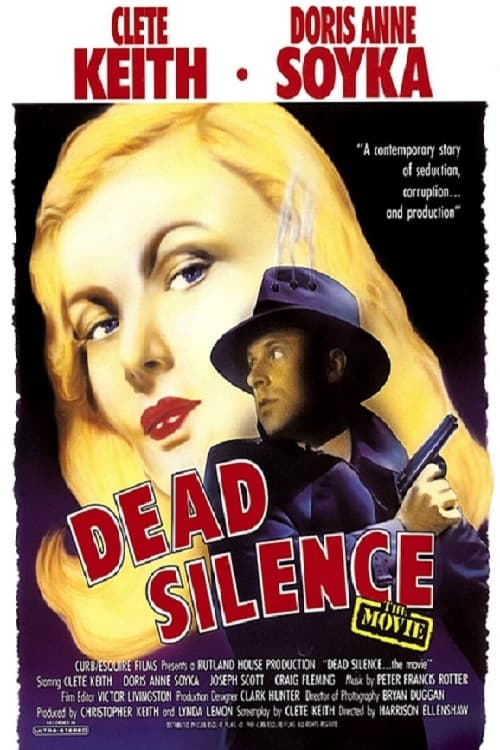
Dead Silence: The Movie
1991
No user ratings available yet
Representation score: 0.6 out of 10
Representation Score
Limited
1985
PG-13Director
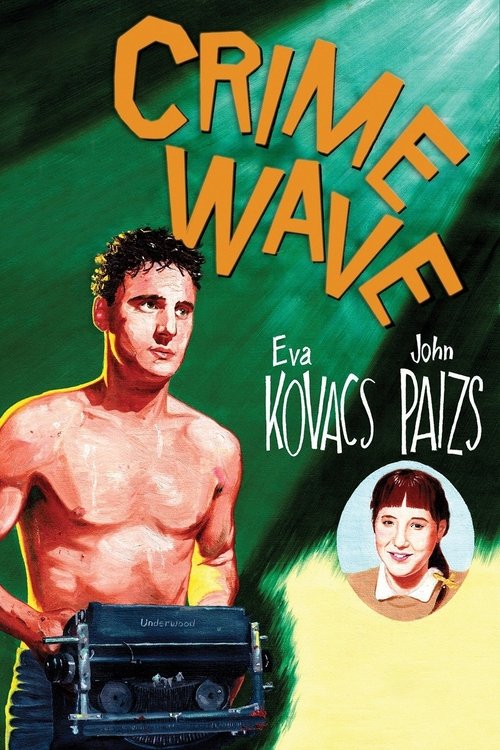
John Paizs
Runtime
80 minutes
Average Rating
No ratings yetNew Showbiz Analysis
Crime Wave is a stylized, independent genre experiment that prioritizes aesthetic formalism over demographic intentionality. The narrative centers on the meta-cinematic process of a director struggling to complete a script, which limits the space for diverse character development. While the film breaks from mainstream cinematic conventions through its non-traditional structure, it lacks specific representation across most identity categories. The storytelling is driven by the protagonist's creative journey rather than advocating for multiple aspects of diversity. Ultimately, the film functions as a postmodern genre study. It offers a unique perspective on filmmaking itself but remains traditionally homogeneous for its era.
Category Breakdown
The film does not include any explicit LGBTQ+ characters or narratives. The story focuses on the protagonist's struggles with the filmmaking process rather than exploring non-straight relationships.
The landlord's daughter plays a significant role in advancing the plot but the film does not challenge traditional gender hierarchies.
The cast appears to be homogeneous, reflecting the demographics common in mid-80s independent crime comedies. There is no evidence of diverse or non-Anglo-Saxon representation.
The film uses a postmodern, self-referential style to deconstruct the crime genre. It prioritizes creative commentary over explicit cultural or institutional critiques.
There is no evidence of characters with visible or invisible disabilities in the film.
Present on Screen
Limited or Absent
Official Synopsis
A young director intent on making "the greatest color crime movie ever" can't seem to finish his script--he has a beginning and an end, but he can't quite figure out the middle. The daughter of his landlord, excited to have a real "movie person" living nearby, tries to help by putting him in touch with a man who wants to collaborate on a script--the strange "Dr. Jolly"
1991

1958
1999
1976

2005
1970
1990

1982
No reviews yet. Be the first to share your thoughts on this movie!
Use the rating form above to leave a star rating and optional review.