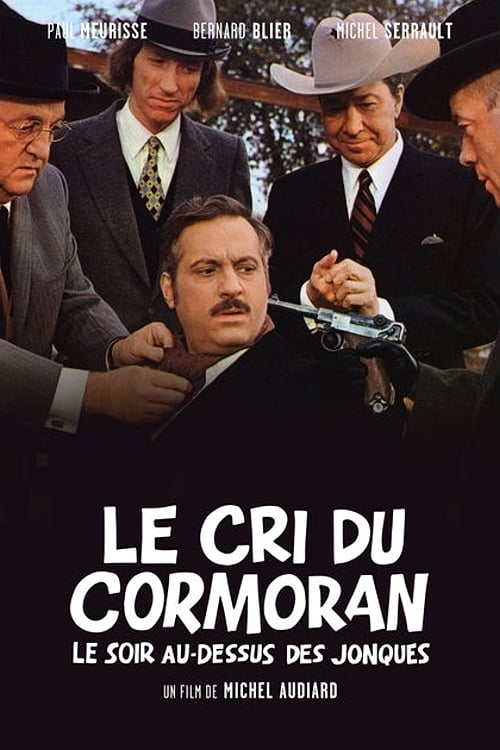
Le Cri du cormoran, le soir au-dessus des jonques
1971
No user ratings available yet
Representation score: 2.5 out of 10
Representation Score
Fair
1968
MDirector
Michel Audiard
Runtime
85 minutes
Average Rating
No ratings yetNew Showbiz Analysis
Michel Audiard's work emphasizes character complexity and moral ambiguity. Although the film lacks broad representation in terms of race and LGBTQ+ identities, it excels in challenging traditional social hierarchies. The narrative structure highlights female empowerment, moving away from the cliché of women as passive participants in crime stories. This focus on a woman's journey towards retribution adds depth to the character study. Ultimately, the film's success lies in its critical stance towards institutional morality, favoring situational ethics and personal survival over rigid social norms.
Category Breakdown
The film does not include any explicit references to LGBTQ+ identities or queer narratives. The story revolves around traditional crime and romance themes.
Rita plays a central role in driving the plot rather than being a passive observer. Her transformation from a lover of gangsters to a person seeking revenge shows significant involvement in the story.
The film seems to focus on a relatively uniform social setting. There is no clear indication of diverse racial representation or casting actors from different backgrounds.
The narrative explores moral ambiguity by operating outside legal and religious frameworks. It questions mainstream social structures through the lens of individual survival.
There is no mention of characters dealing with physical, neurological, or mental health conditions.
Present on Screen
Limited or Absent
Official Synopsis
Rita is a girl that lives on taking gangsters as lovers. But when the money stops coming, she swears revenge.
1971
1976
1972
1963
1967

1970

1965
1976
No reviews yet. Be the first to share your thoughts on this movie!
Use the rating form above to leave a star rating and optional review.