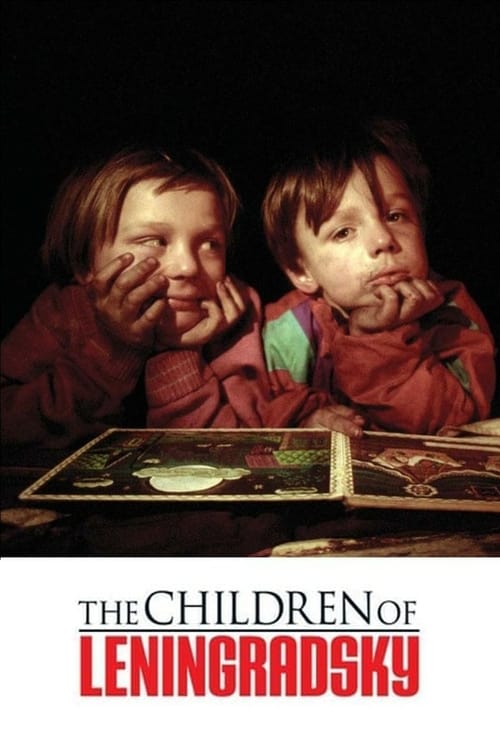
The Children of Leningradsky
2005
No user ratings available yet
Representation score: 7.9 out of 10
Representation Score
Excellent
2001
Not RatedDirector
Edet Belzberg
Runtime
104 minutes
Average Rating
No ratings yetNew Showbiz Analysis
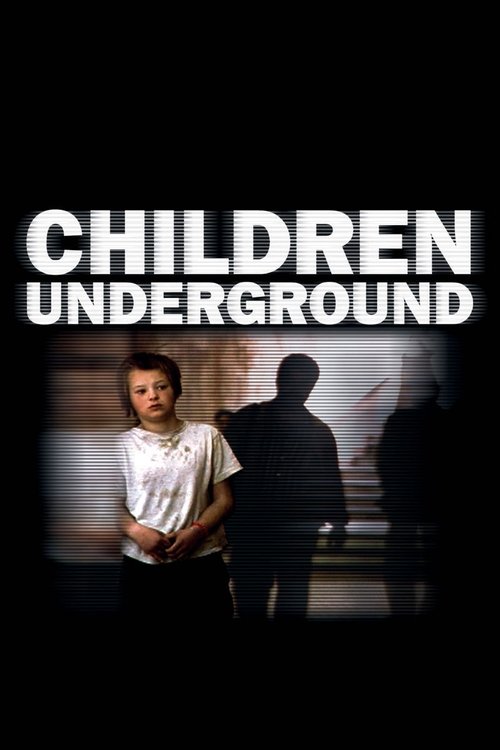
Children Underground offers a candid, observational account of the lives of displaced youth in Bucharest. It shifts the focus from institutional authority to the lived experiences of those on the margins of society. The film excels in showcasing ethnic diversity and critiquing systemic neglect. It dismantles the perceived stability of Western social structures by emphasizing the failure of state and capitalist systems to protect minors. However, the documentary lacks explicit focus on LGBTQ+ identities and traditional gender roles. While it challenges social hierarchies, it does not provide specific representation for non-assuming gender matches what was assigned at birth narratives.
Category Breakdown
The film centers on the day-to-day survival of street-dwelling youth and the social hierarchies they create. It does not include explicit LGBTQ narratives but highlights alternative social structures over traditional family units.
The film shows how survival requires a flexible reorganization of social dynamics rather than adhering to traditional gender roles. Masculinity and femininity are portrayed through the lens of necessity and protection, challenging the idea of a stable gendered household.
The film gives significant roles to individuals from various ethnic backgrounds, challenging the uniformity of the typical urban experience by focusing on underrepresented communities.
The narrative criticizes Western institutions and the collapse of the nuclear family structure. It portrays theft and evasion as necessary survival tactics, prioritizing the subjects' reality over institutional morality.
The film captures the psychological and physical impacts of extreme poverty. Characters display neurodivergence and trauma-induced behaviors, which are shown with real power rather than just as plot devices.
Present on Screen
Limited or Absent
Official Synopsis
Children Underground follows the story of five street children, aged eight to sixteen who live in a subway station in Bucharest, Romania. The street kids are encountered daily by commuting adults, who pass them by in the station as they starve, swindle, and steal, all while searching desperately for a fresh can of paint to get high with.
2005

2000
1975

2010

1984

2004

2011

2013
No reviews yet. Be the first to share your thoughts on this movie!
Use the rating form above to leave a star rating and optional review.