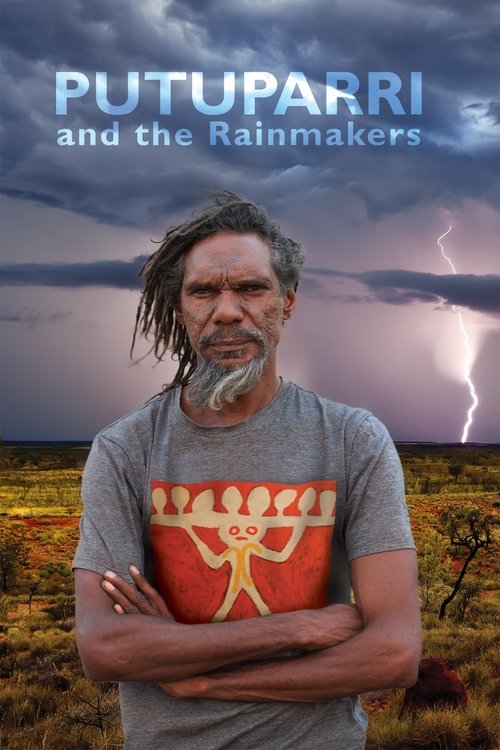
Putuparri and the Rainmakers
2015
No user ratings available yet
Representation score: 8.9 out of 10

Representation Score
Excellent
2019
Director
Maya Newell
Runtime
85 minutes
Average Rating
No ratings yetNew Showbiz Analysis
In My Blood It Runs is a powerful critique of the tension between Indigenous sovereignty and Western institutional dominance. By focusing on Dujuan, an Arrernte/Garrwa child, the film goes beyond mere observation to question the assimilationist tendencies of state education and legal frameworks. The documentary excels by disrupting Anglo-centric clichés, positioning Indigenous knowledge systems as the central authority. This approach frames the struggle for cultural autonomy as the primary narrative force rather than a secondary subplot. While the film does not explicitly focus on LGBTQ+ identities or specific disability narratives, it avoids harmful stereotypes. It presents systemic misalignment rather than individual deficiencies, making it a sophisticated piece of post-colonial storytelling.
Category Breakdown
The documentary does not focus specifically on LGBTQ+ identities or non-traditional gender narratives. Instead, it highlights communal relationships without delving into individual queer character stories.
The film challenges traditional authority figures by contrasting the wisdom of Indigenous elders with rigid Western institutions. It centers a child's perspective within a communal framework, avoiding hierarchical structures.
This film features an almost entirely Indigenous cast, emphasizing Arrernte/Garrwa ability to act and language. It positions Indigenous knowledge as the primary intellectual authority.
The narrative prioritizes Indigenous spirituality and connection to land over Western secularism. It portrays state education and legal systems as tools of cultural erasure and systemic oppression.
The film addresses neurodivergence through Dujuan’s experience with standardized schooling. It frames his struggles as a result of systemic incompatibility rather than personal deficits.
Present on Screen
Limited or Absent
Official Synopsis
The story of Dujuan, a 10-year-old Aboriginal boy living in Alice Springs, Australia, who is struggling to balance his traditional Arrernte/Garrwa upbringing with a state education.
2015
2016
2015
2004

2018
2017
2005
2015
No reviews yet. Be the first to share your thoughts on this movie!
Use the rating form above to leave a star rating and optional review.