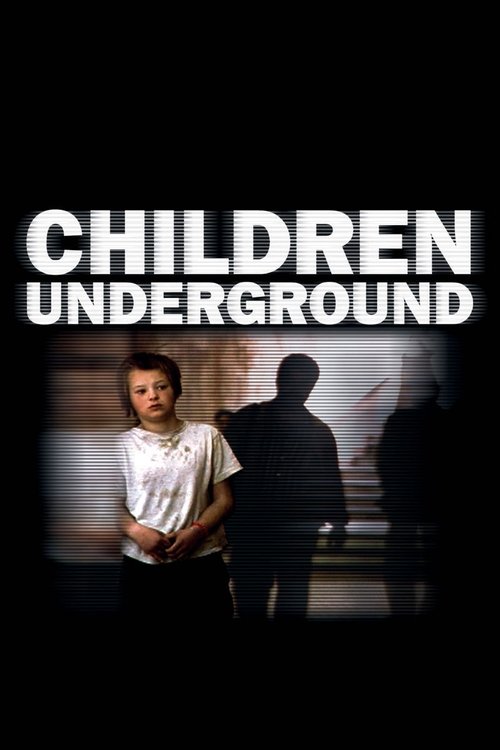
Children Underground
2001
No user ratings available yet
Representation score: 8.5 out of 10
Representation Score
Good
2005
Director
Andrzej Celiński, Hanna Polak
Runtime
35 minutes
Average Rating
No ratings yetNew Showbiz Analysis
The documentary serves as a critical examination of the failures of state and family structures in the post-Soviet era. By focusing on the human cost of political changes, it presents a raw look at survival within a specific regional context. The film avoids commercial clichés and instead highlights the lived experiences of underrepresented individuals.
Category Breakdown
The film does not include any explicit LGBTQ+ identities or stories about non-conforming gender expressions. While it explores connections between people in difficult situations, there are no specific characters or arcs that represent queer identities.
The documentary highlights the survival and resilience of young girls like Kristina. It avoids typical nurturing roles, focusing instead on the vulnerability and strength of female characters.
The cast is made up of people from similar ethnic backgrounds, reflecting the specific setting of Moscow. However, the film allows these local subjects to tell their own stories without a Western perspective.
The film examines the collapse of the Soviet social safety net and the breakdown of the family unit. It focuses on the real-life experiences of those affected, rather than idealized social structures.
The narrative looks at the hidden disabilities caused by malnutrition and trauma. However, it does not feature central characters with specific physical or neurological conditions to drive the story.
Present on Screen
Limited or Absent
Official Synopsis
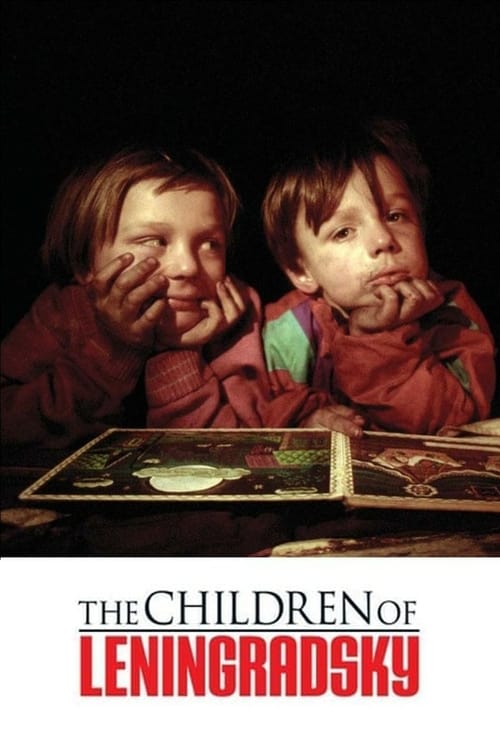
Since the fall of the Iron Curtain an estimated four million children have found themselves living on the streets in the former countries of the Soviet Union. In the streets of Moscow alone there are over 30,000 surviving in this manner at the present time. The makers of the documentary film concentrated on a community of homeless children living hand to mouth in the Moscow train station Leningradsky. Eight-year-old Sasha, eleven-year-old Kristina, thirteen-year-old Misha and ten-year-old Andrej all dream of living in a communal home. They spend winter nights trying to stay warm by huddling together on hot water pipes and most of their days are spent begging. Andrej has found himself here because of disagreements with his family. Kristina was driven into this way of life by the hatred of her stepmother and twelve-year-old Roma by the regular beatings he received from his constantly drunk father. "When it is worst, we try to make money for food by prostitution," admits ...
2001

2000
1975
2004

1984

2014
2012
2013
No reviews yet. Be the first to share your thoughts on this movie!
Use the rating form above to leave a star rating and optional review.