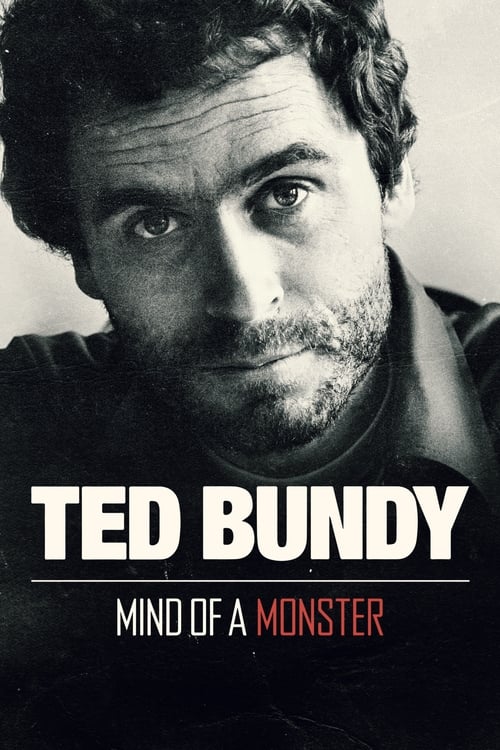
Ted Bundy: Mind of a Monster
2019
No user ratings available yet
Representation score: 3.3 out of 10
No Poster Available
Representation Score
Limited
2008
Director
Günter Stampf, Susanne Stampf-Sedlitzky
Runtime
121 minutes
Average Rating
No ratings yetNew Showbiz Analysis
This documentary serves as a clinical, investigative study of a singular criminal event. Its primary goal is the biographical documentation of Armin Meiwes, which does not aim to explore social hierarchies or overlapping identities. The film's focus on individual pathology over systemic representation results in a narrow demographic scope. It adheres to the localized, homogeneous setting of the Rotenburg case without introducing diverse perspectives. Ultimately, the work prioritizes the unfiltered documentation of a psychological phenomenon. This niche true-crime focus inherently limits its capacity for meaningful social or cultural representation.
Category Breakdown
The film does not include any LGBTQ+ characters or narratives. It focuses on individual pathologies rather than exploring queer identity.
The story centers around a male character, with Armin Meiwes driving the dialogue. The female directors frame the interview, but the content does not challenge traditional gender hierarchies.
The film depicts a highly homogeneous social environment. There is no multi-ethnic cast or narrative attempts at racial diversity.
The documentary examines extreme social deviance and the breakdown of moral frameworks. It functions as a journalistic observation of individual transgressions rather than a critique of institutions.
Severe mental health conditions are treated as subjects of criminal and psychiatric interest. The film risks using psychological abnormalities as devices for true-crime consumption.
Present on Screen
Limited or Absent
Official Synopsis
Exclusive Interivew with 'The Cannibal of Rotenburg': Armin Meiwes.
2019
2003
2007

2000

2017
2017

2010
2015
No reviews yet. Be the first to share your thoughts on this movie!
Use the rating form above to leave a star rating and optional review.