
Murder to Mercy: The Cyntoia Brown Story
2020
No user ratings available yet
Representation score: 4.8 out of 10

Representation Score
Excellent
2003
RDirector
Nick Broomfield, Joan Churchill
Runtime
89 minutes
Average Rating
No ratings yetNew Showbiz Analysis
The documentary goes beyond the typical true-crime format to provide a layered examination of a underrepresented individual. By integrating Wuornos’s queer identity and her psychological instability, the filmmakers offer a nuanced critique of social hierarchies and institutional power. However, the focus remains narrow, touching on socioeconomic issues but lacking significant emphasis on racial or ethnic diversity.
Category Breakdown
The film highlights Wuornos’s relationships with women and her sexual orientation as key elements of the story. This approach challenges the assumption that everyone is straight and explores how being part of the LGBTQ+ community intersects with social exclusion.
By focusing on a female perpetrator of extreme violence, the film overturns traditional stereotypes of passive femininity. It complicates the viewer's understanding of how gender influences both aggression and ability to act.
The narrative emphasizes individual trauma and socioeconomic disparities rather than racial or ethnic diversity. These factors are not highlighted as primary drivers of the plot.
The documentary criticizes Western judicial systems and the shortcomings of social institutions. It employs moral relativism to let the subject express her perspective against the state’s viewpoint.
The film offers a candid portrayal of mental health struggles and the psychological impact of trauma. It presents psychological distress as a central element of the subject's experiences.
Present on Screen
Limited or Absent
Official Synopsis
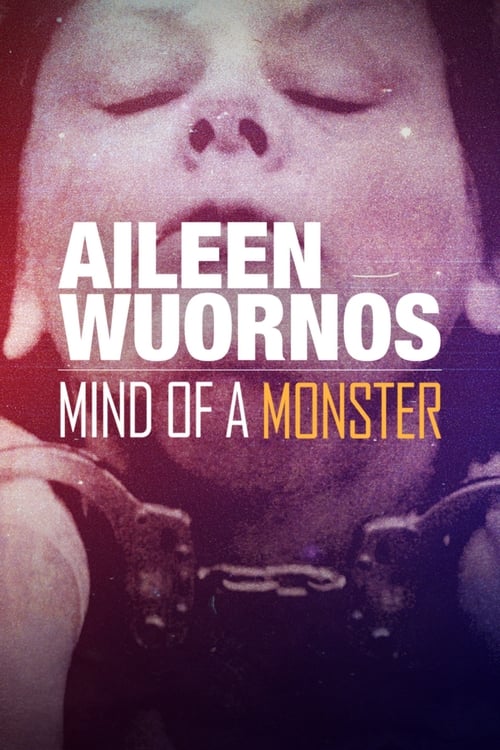
British documentarian Nick Broomfield creates a follow-up piece to his 1992 documentary of the serial killer Aileen Wuornos, a highway prostitute who was convicted of killing six men in Florida between 1989 and 1990. Interviewing an increasingly mentally unstable Wuornos, Broomfield captures the distorted mind of a murderer whom the state of Florida deems of sound mind -- and therefore fit to execute. Throughout the film, Broomfield includes footage of his testimony at Wuornos' trial.
2020
2000
2020

2006

1992
1996
2009
2017
No reviews yet. Be the first to share your thoughts on this movie!
Use the rating form above to leave a star rating and optional review.