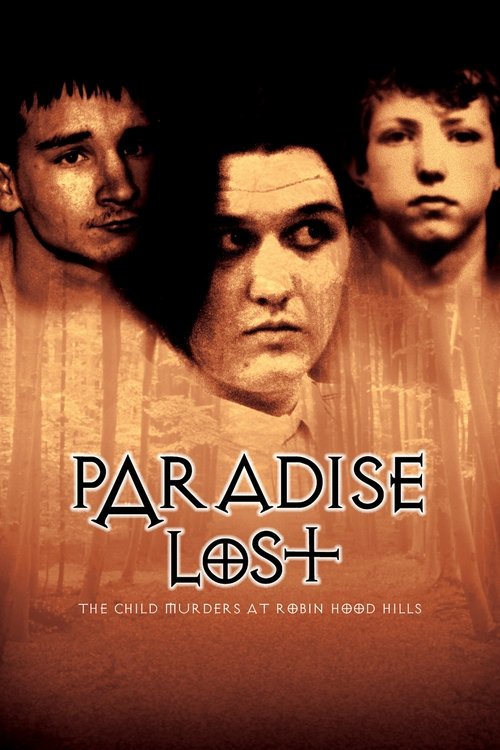
Paradise Lost: The Child Murders at Robin Hood Hills
1996
No user ratings available yet
Representation score: 2.9 out of 10
Representation Score
Limited
2000
NRDirector
Bruce Sinofsky, Joe Berlinger
Runtime
130 minutes
Average Rating
No ratings yetNew Showbiz Analysis
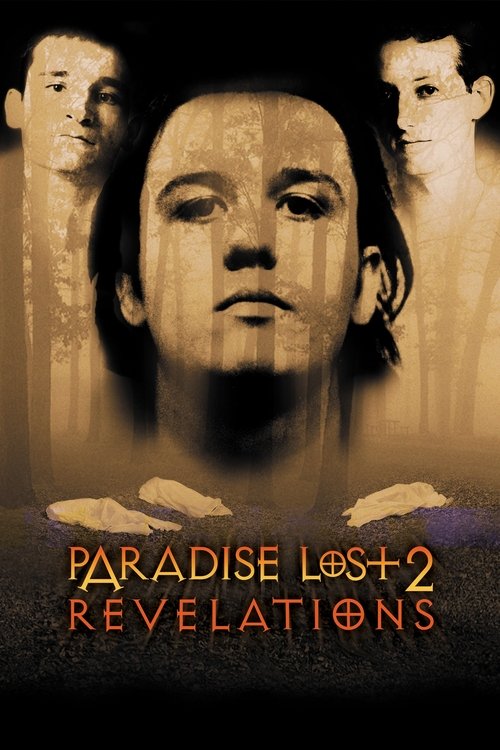
Paradise Lost 2: Revelations is a focused investigative documentary that emphasizes systemic critique over broad demographic representation. Its primary strength lies in breaking down institutional reliability rather than showcasing diverse identities. The film effectively explores how religious fervor and state authority can corrupt the legal system. However, this focus results in a narrative dominated by male figures and white, working-class individuals. Overall, the film serves as a study of institutional dysfunction. While it lacks representation of LGBTQ+ identities and diverse genders, it offers a powerful critique of judicial infallibility.
Category Breakdown
The documentary does not include any LGBTQ+ characters or stories. It focuses solely on the legal and social aspects of the West Memphis Three case.
The story centers heavily on male figures, such as the teenage defendants and the male-dominated legal system. It does not explore gender dynamics or challenge traditional gender roles.
The film examines a case involving white, working-class individuals in a Southern setting. It highlights socioeconomic and cultural differences but does not delve into racial intersectionality.
The documentary provides a detailed critique of religious zeal and state power. It shows how religious hysteria and institutional authority can lead to systemic errors and social panic.
There is no significant focus on visible or invisible disabilities in the main narrative of the legal proceedings.
Present on Screen
Limited or Absent
Official Synopsis
Revisiting the 1994 Arkansas murder of three 8-year-old boys and the three teenagers convicted of the crime. A follow up to Paradise Lost, Revelations features new interviews with the convicted men, as well as with the original judge and police investigators.
1996

2020

2017
2012

2008
1988
2016
2012
No reviews yet. Be the first to share your thoughts on this movie!
Use the rating form above to leave a star rating and optional review.