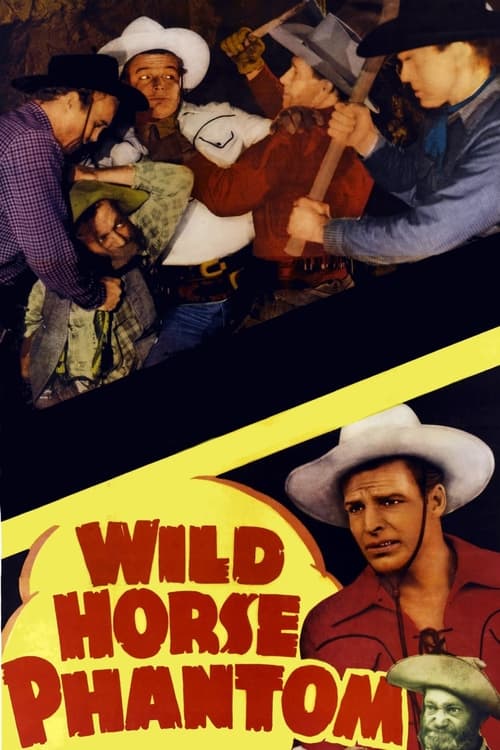
Wild Horse Phantom
1944
No user ratings available yet
Representation score: 2.7 out of 10
Representation Score
Minimal
1940
ApprovedDirector
Ray Taylor
Runtime
61 minutes
Average Rating
No ratings yetNew Showbiz Analysis
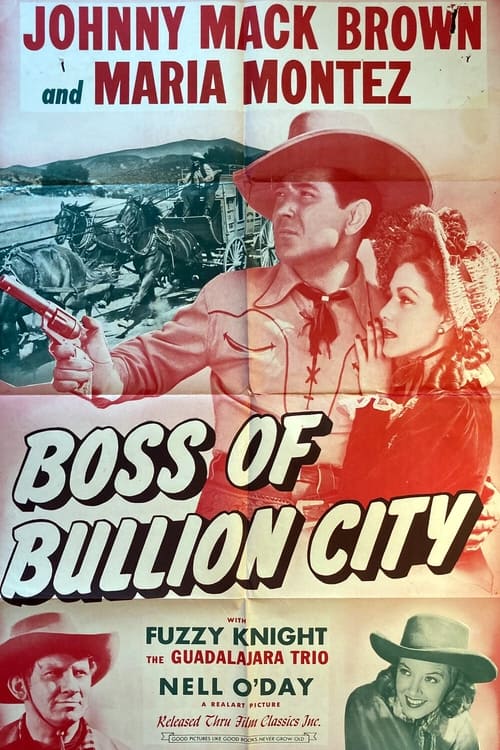
Boss of Bullion City is a conventional crime-western that adheres to the standardized narrative structures of the 1940s. The film follows a traditional 'law vs. lawlessness' framework, focusing on the restoration of established authority and moral order. The production aligns with the culturally homogeneous and hierarchical standards of the Golden Age of Hollywood. It prioritizes traditional genre formulas rather than challenging social hierarchies or exploring multiple aspects of identity. Ultimately, the film serves as a representative example of its era, upholding conventional social structures through its character archetypes and narrative structure.
Category Breakdown
The film reflects the era's lack of LGBTQ+ narratives. It centers on heterosexual relationships typical of 1940s cinema.
The narrative reinforces traditional gender roles. Male characters are portrayed as authoritative figures, while female characters are often passive or domestic.
Casting likely centers on Anglo-Saxon actors. Characters from diverse backgrounds were often relegated to stereotypical roles without much influence.
The story focuses on restoring institutional order and traditional morality. It portrays Western law as inherently positive.
There is no evidence regarding the depiction of physical or neurodivergent characters in this production.
Present on Screen
Limited or Absent
Official Synopsis
A lawman sets out to disrupt the operations of a crooked town boss.
1944
1939
1940
1937
1943
1947
1946
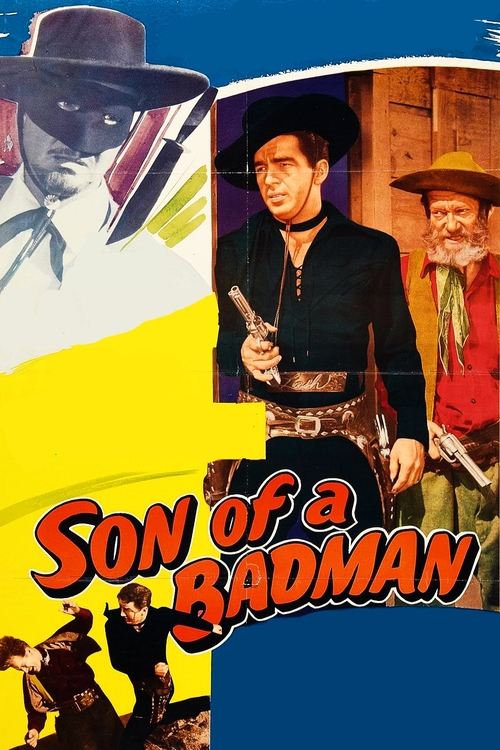
1949
No reviews yet. Be the first to share your thoughts on this movie!
Use the rating form above to leave a star rating and optional review.