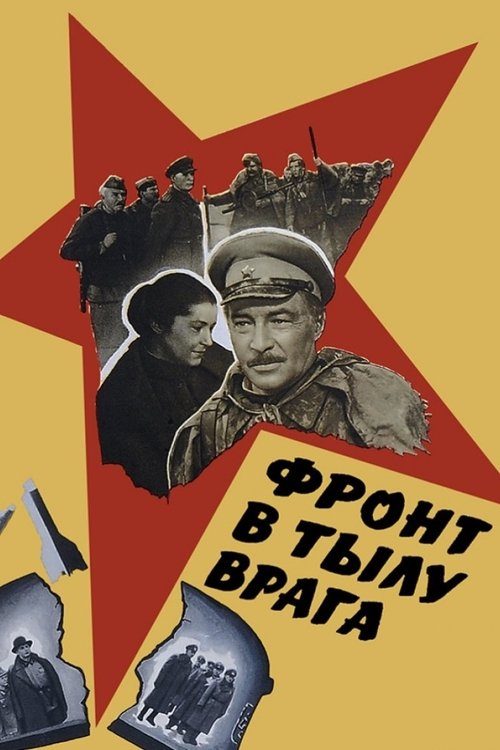
Front in the Rear of the Enemy
1982
No user ratings available yet
Representation score: 4.3 out of 10

Representation Score
Minimal
1983
Director
Georgiy Nikolaenko
Runtime
85 minutes
Average Rating
No ratings yetNew Showbiz Analysis
It Was the Fourth Year of the War is a product of the Soviet cinematic tradition, designed to reinforce state-sanctioned narratives of heroism and patriotism. The film focuses on traditional masculine archetypes and collective unity, emphasizing the struggle against fascism over individual or subversive identities. The narrative structure centers on male-led intelligence gathering and combat, limiting the scope of gendered ability to act and leaving little room for diverse social perspectives. Ultimately, the film serves as a tool for nationalistic storytelling, emphasizing a homogenized Soviet identity and moral clarity.
Category Breakdown
The film does not include any LGBTQ+ characters or narratives. It follows the traditional social structures typical of 1980s Soviet war cinema.
The spy-action genre here emphasizes male leadership and ability to act. Women are often portrayed as medics or partisans, but the focus remains on masculine archetypes.
The film likely emphasizes a unified Soviet identity. Without specific casting details, the portrayal appears to favor a homogenized version of the collective struggle.
The narrative is deeply rooted in state values and patriotism. It promotes duty and sacrifice for the motherland rather than exploring moral relativism.
There is no information available regarding the portrayal of physical or neurodivergent disabilities in this work.
Present on Screen
Limited or Absent
Official Synopsis
A group of Russian spies are trying to gather an important information about the German forces before the attack of the Soviet Army in this action movie set during WWII.
1982
1964
2002
1981
1981
1975
1983
1961
No reviews yet. Be the first to share your thoughts on this movie!
Use the rating form above to leave a star rating and optional review.